Be Inspired Blog - Arizona
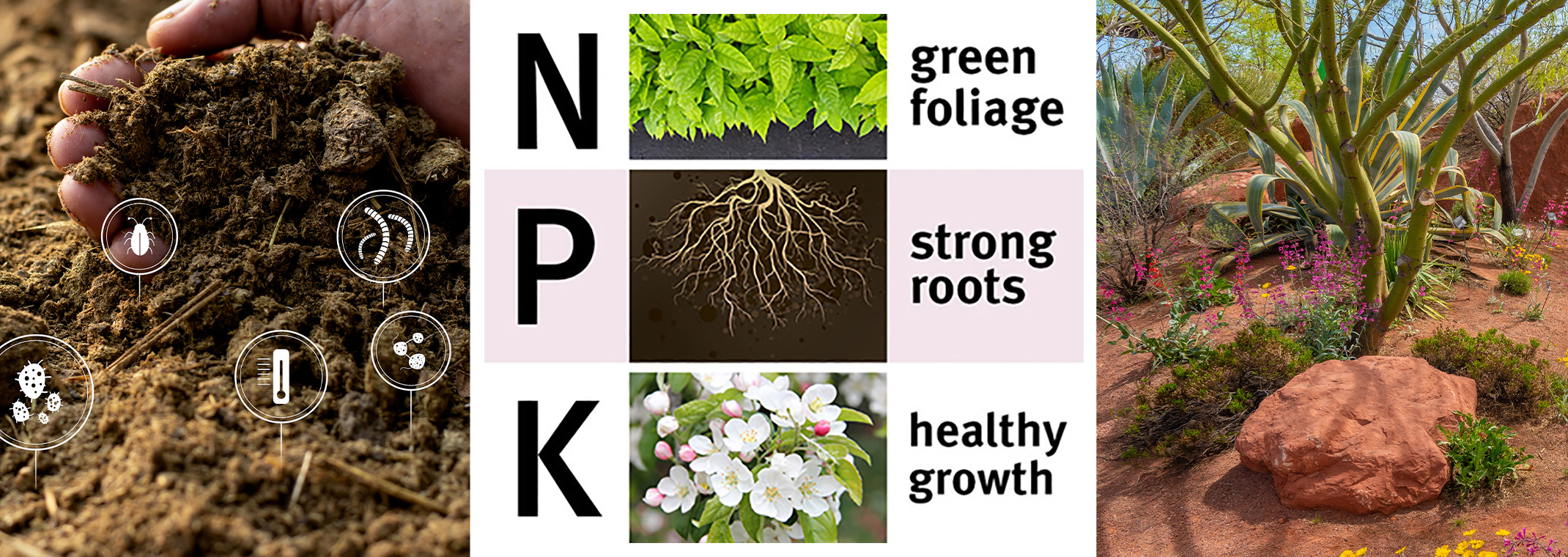
End of Summer Cleanup: Prepare Your Arizona Garden for Fall
Arizona's long, hot summers can leave gardens looking tired and soil in need of a little attention. As temperatures begin to ease, late summer is the perfect time to clean up garden beds, rebuild your soil with compost, fertilize, and prepare your landscape for the cooler growing season ahead.
Taking a few simple steps before fall arrives can help trees, shrubs, flowers, lawns, and vegetable gardens recover from summer stress and get off to a strong start this fall.
Before You Begin: If Arizona is still experiencing unusually hot weather or a late-season heatwave, we recommend following our Summer Heatwave Tips until daytime temperatures begin to moderate. Then return to this guide to clean up your garden, improve your soil, and prepare for a successful fall season.

1. Help Your Garden Recover & Prepare for Fall
Late summer is one of the best times to help your garden transition from surviving the summer heat to thriving during the cooler fall growing season. Months of extreme heat can leave plants stressed and soils depleted. As nighttime temperatures consistently cool into the lower 80s°F, fertilizing replenishes essential nutrients, encourages healthy root development, supports healthy new growth, and helps trees, shrubs, flowers, lawns, and vegetable gardens prepare for one of Arizona's best growing seasons.
Healthy, well-fed plants are also better equipped to handle lingering warm weather and resist pests and disease.
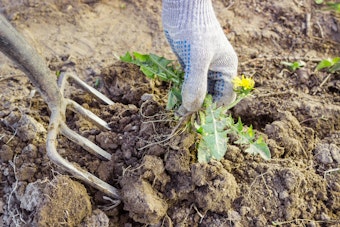
2. Clean Up Your Garden
- Remove Dead and Damaged Plants: After the summer's extreme heat, some plants may be dead or damaged. Cleaning up these plants not only improves the appearance of your garden but also reduces the risk of pests and diseases that can thrive in decaying plant material.
- Weed Control: Late summer is also an excellent time to remove weeds that may have taken hold during the summer. Weeding before fertilizing ensures that the nutrients go to your desired plants rather than to the weeds.
- Pruning: Pruning back overgrown or leggy plants during your summer cleanup helps stimulate new growth and ensures that the plants will have a healthy structure going into the fall.
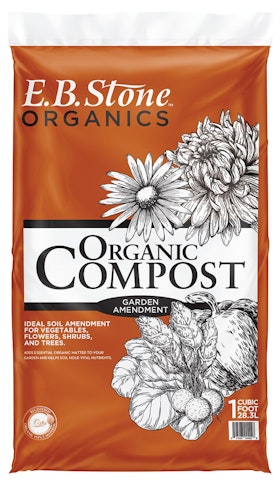
3. Rebuild Your Soil with Compost
Summer's extreme heat, frequent watering, and months of plant growth can leave your soil depleted. While fertilizer replaces important nutrients, compost improves the soil itself by adding valuable organic matter and beneficial microbes that support healthier roots and stronger plants. Incorporating compost before the fall planting season helps create a healthier growing environment for vegetables, flowers, trees, shrubs, and lawns.
Adding 1–2 inches of quality compost to garden beds and working it into the top few inches of soil helps:
- Improve soil structure and reduce compaction
- Increase the soil's ability to hold moisture between waterings
- Improve drainage in heavy clay soils
- Encourage beneficial soil microbes and earthworms
- Make nutrients more available to plant roots
- Support healthier root development before the fall growing season begins
Whether you're planting a fall vegetable garden, refreshing flower beds, or preparing landscape areas, compost is one of the best long-term investments you can make in your soil.
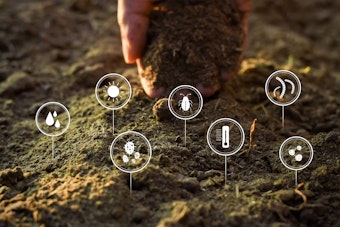
4. Restore Nutrients to Your Soil
-
Nutrient Depletion: High temperatures, frequent watering, and months of active growth can deplete nutrients from your soil. Fertilizing replenishes essential nutrients, supporting healthy roots and strong new growth.
-
Healthy Soil: Compost builds soil over time by adding organic matter and improving soil structure, while fertilizer provides the nutrients plants need for healthy growth. Together, they create the ideal foundation for a successful fall garden.
5. Feed Perennials & Lawns
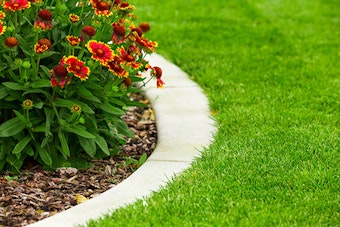
- Perennials: Fertilizing perennials at the end of summer, once temperatures are cooler, helps them store energy for the winter months and encourages strong growth in the following spring.
- Lawns: For lawns, especially warm-season grasses like Bermuda grass, fertilizing in late August can promote thick, healthy growth and help prepare for the transition into cooler weather and an overseeded ryegrass winter lawn.
6. Watch for Pests & Disease
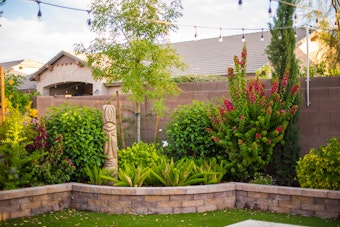
Healthier Plants: Well-fertilized plants are generally healthier and more resistant to pests and diseases, which can be more active during the cooler, more humid fall months.
7. Use Water Wisely
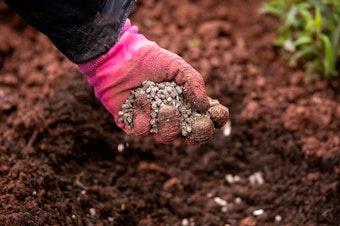
Water Retention: Adding compost and other organic soil amendments improves the soil's ability to retain moisture, while mulch helps reduce evaporation and keeps roots cooler. Together, they help your garden use water more efficiently during Arizona's warm, dry climate. Healthy soil also allows water to soak in more effectively instead of running off.
8. Refresh Your Landscape
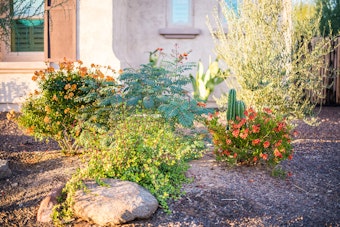
Post-Summer Tidy Up: Removing spent flowers, trimming hedges, and tidying garden beds refreshes your landscape after the summer heat. A clean, well-maintained garden is not only more attractive, but it also makes it more difficult for many common garden pests to make themselves at home.
In the Valley of the Sun, late summer is the perfect time to refresh your garden after months of extreme heat and prepare for the cooler growing season ahead. By cleaning up garden beds, rebuilding your soil with compost, and fertilizing at the right time, you'll encourage healthier roots, stronger plants, healthier soil, and a more beautiful, productive garden this fall and beyond.
At SummerWinds Nursery, our Trusted Garden Advisors can help you choose the right compost, fertilizers, and soil amendments for your landscape, lawn, vegetable garden, or containers. Stop by your favorite SummerWinds location—we're here to help you grow with confidence.