Be Inspired Blog - Arizona
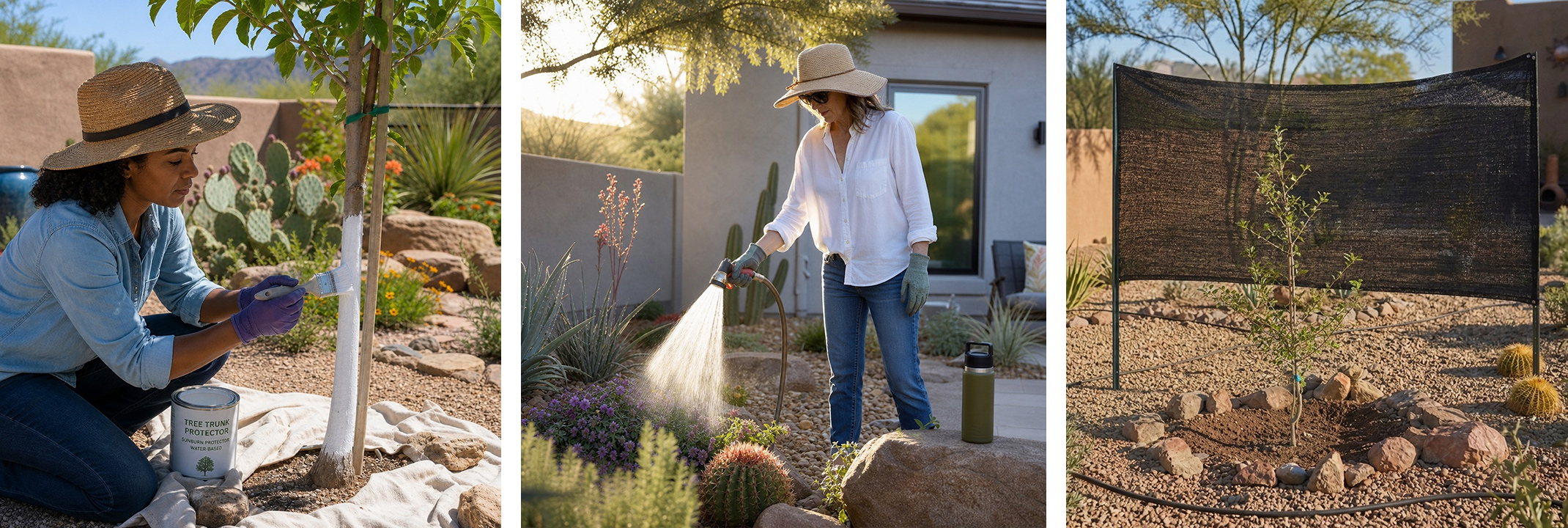
Summer Heatwave Tips To Help Protect Your Plants
Arizona summers can be tough on even well-established plants. Discover practical ways to ease heat stress and help your trees, shrubs, flowers, vegetables, citrus, lawns and container gardens handle extreme temperatures.
Arizona summers regularly bring long stretches of triple-digit temperatures, and that can be hard on people, wildlife and plants. Even well-established trees, shrubs and other landscape plants may need a little extra help during the hottest part of the season.
The tips below include advice from Jack, a Master Gardener, and Garden Coach, at our Phoenix store, along with watering guidance from Water – Use It Wisely. Whether you are getting ready for an upcoming heatwave or helping your garden recover afterward, these steps can help ease some of the stress your plants are under.
🌡️ Arizona Heatwave Quick Checklist
✓ Hold off on fertilizing
✓ Check your irrigation and water deeply
✓ Add a 2–3 inch layer of mulch
✓ Give vulnerable plants temporary afternoon shade
✓ Wait to prune heat-damaged growth
✓ Reduce reflected heat around sensitive plants
✓ Give heat-stressed plants gentle nutritional support
Read on for more details about each of these steps.
Before Temperatures Peak
 When a stretch of 110°F+ temperatures is in the forecast, a little preparation can make a big difference:
- Make sure your irrigation system is working properly.
- Water deeply in the early morning.
- Put shade cloth in place before leaves begin to burn.
- Add mulch anywhere soil is bare.
- Wait to plant, fertilize or prune until temperatures ease.
It's much easier to help plants before the hottest weather arrives than to help them recover afterward.
1. Hold Off on Fertilizing
Hold off on fertilizing while daytime temperatures are above 90°F. Fertilizing during extreme heat can push tender new growth that may not have time to harden off before being damaged by Arizona's intense sun.
Once daytime temperatures have eased and nights are noticeably cooler, you can begin feeding again. We recommend starting with an organic fertilizer, which feeds plants more gradually and can be a gentler choice as they recover from summer heat.
Want to learn more? Visit our Organic Gardening page for infomraiton about the many organic soils, amendments and fertilizers available at SummerWinds.
2. Choose Vital Nutrients for Heat-Stressed Plants
While it's best to hold off on regular fertilizer during extreme heat, diluted vitamin, mineral, kelp and seaweed products can offer gentler support to plants that are showing signs of stress.
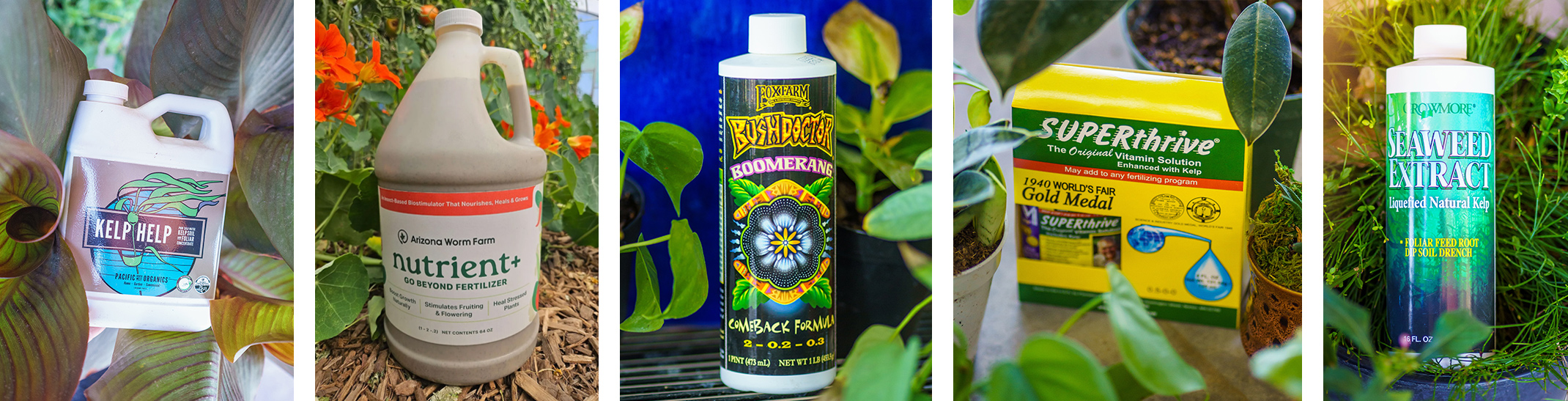
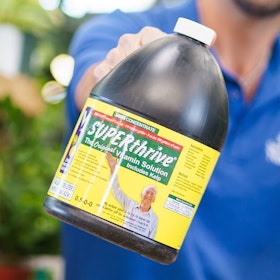
Products such as SUPERthrive®, Fox Farm’s Bush Doctor® Boomerang®, Nutrient+ from Arizona Worm Farm, Grow More Seaweed Extract, and Pacific Northwest Organics® Kelp Help can help support roots, replace important nutrients and give struggling plants a boost without pushing the same flush of new growth as a regular fertilizer application.
Here are a few reasons gardeners reach for these products during periods of extreme heat:
- Vitamins, minerals and readily available nutrients can give stressed plants extra support while they recover.
- Kelp and seaweed products can encourage healthy roots and help plants better handle heat, drought and transplant stress.
- Nutrient+ can be especially helpful for trees, shrubs and other plants that look tired or damaged after prolonged high temperatures.
- Boomerang® is designed as a "comeback" formula for plants affected by temperature swings, missed waterings and other stressful conditions.
- SUPERthrive® is a versatile vitamin solution that can help revive stressed plants and reduce transplant shock.
Kelp and seaweed tip: For products that can be applied to the leaves, a diluted late-evening application can be absorbed more quickly than a soil drench. Wait until the sun is down and the leaves have cooled, and follow the directions on the product you choose.
Not sure which option is right for your plant? Bring a photo to your favorite SummerWinds location and one of our Trusted Garden Advisors can help you choose.
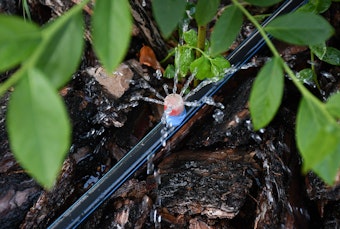
3. Adjust Your Watering
Plants often need more water during a prolonged heatwave, but that does not necessarily mean watering everything every day. The goal is to water deeply enough to reach the roots without keeping the soil constantly soggy.
- Check that drip emitters, sprinklers and irrigation lines are working and reaching the plants they are meant to water.
- Water early in the morning whenever possible, before the hottest part of the day.
- Check the soil below the surface. The top may look dry even when moisture is still available around the roots.
- Give newly planted trees, shrubs, flowers and vegetables extra attention because their roots are not yet established.
- Adjust watering for the plant, its exposure and the soil rather than relying on one schedule for the entire yard.
- Be careful not to overwater. Soil that stays saturated can lead to root problems, while frequent light watering may only wet the surface and leave deeper roots dry.
Watering Tips from Water – Use It Wisely
Water – Use It Wisely is a helpful local resource with interactive watering guides for Arizona plants and lawns, along with monthly reminders to help you adjust your irrigation as the seasons change.
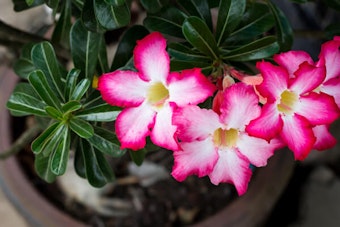
Don't Forget Container Plants
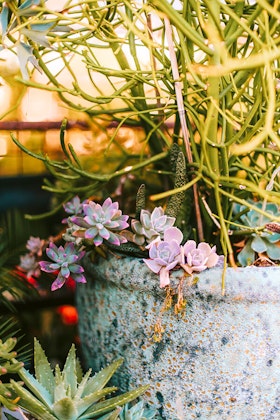
Container plants can dry out much faster than plants in the ground, especially when pots sit in afternoon sun or near hot walls and pavement. Check them often during extreme heat, water thoroughly when the soil begins to dry, and move more sensitive containers into afternoon shade when you can.
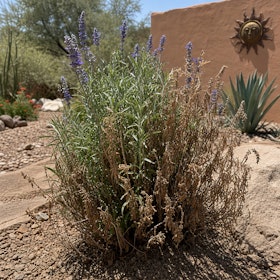
4. Wait to Prune
Hold off on pruning during a heatwave—even when some leaves or branches look burned. Damaged foliage can still provide valuable shade for the stems, trunk and healthy growth beneath it.
Once temperatures have cooled, you can take a closer look and remove growth that is clearly dead. Waiting also gives the plant time to show you which areas may recover.
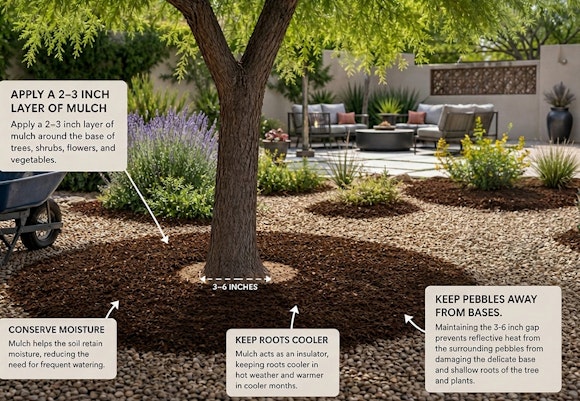
5. Watch for Reflected Heat
Block walls, windows, concrete, artificial turf and landscape rock can hold and reflect a surprising amount of heat. Plants near west- or south-facing surfaces may be dealing with temperatures that feel much hotter than the air around them.
- Pull rocks and gravel back from the base and dripline of heat-sensitive trees and shrubs.
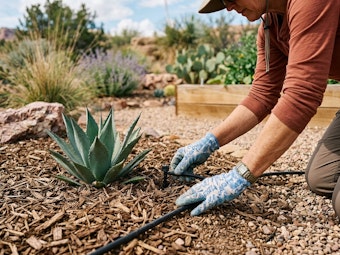
- Use mulch over exposed soil to help keep roots cooler and slow moisture loss.
- Give plants temporary afternoon shade when they are receiving intense reflected heat.
- Move vulnerable pots away from hot walls or dark pavement when possible.
6. Say Yes to Mulch
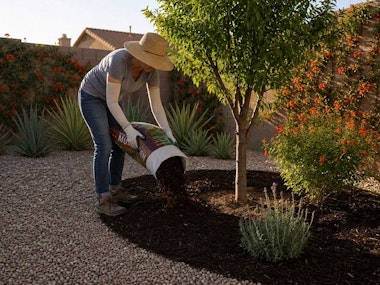
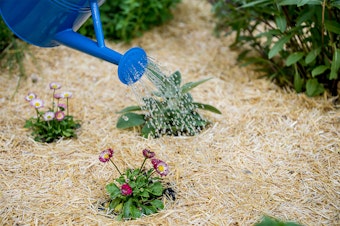
A 2- to 3-inch layer of mulch around trees, shrubs, flowers, and vegetables can make a real difference during an Arizona heatwave. Mulch helps slow evaporation, keeps the root zone cooler and reduces weeds that compete with your plants for water.
Spread mulch beneath the plant canopy or around the dripline, but leave a few inches of open space around trunks and stems. Mulch piled directly against a plant can hold too much moisture at its base.
Not sure which to use? GardenStraw® is a useful option for vegetable gardens and seasonal plantings, bark mulch works well in many landscape beds, and composted mulch can add organic matter to the soil as it breaks down. Our mulch guide explains the differences, how much you may need and where each type works best.
7. Shade is Key!
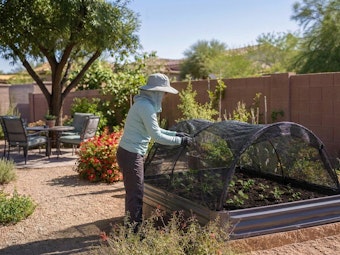
Shade may be one of the most helpful things you can give a struggling plant. Even plants that normally love full sun can benefit from a break during a long stretch of unusually intense heat—especially newly planted trees and shrubs, vegetables, roses and plants in containers.
- Position shade cloth so it blocks the strongest afternoon sun while allowing air to move around the plant.
- Keep shade cloth supported above the foliage rather than laying it directly on the leaves.
- Secure temporary shade structures well, and take them down or lower them when strong winds or monsoon storms are expected.
- Protect exposed young tree trunks with a tree-trunk paint made for that purpose.
Shade cloth comes in several densities and colors, and the best choice depends on the plant and its exposure. Our shade cloth guide can help you decide which option makes the most sense for your garden.
 Still Worried About Your Plants?
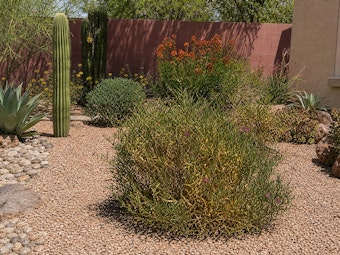
Wilting, crispy leaf edges, sunburned foliage, flower or fruit drop and slowed growth can all be signs of heat stress. They can look alarming, but they do not always mean a plant is dead.
Many plants can recover once temperatures come down. In the meantime:
- Keep watering based on the plant’s needs, but don't automatically flood it.
- Continue to hold off on regular fertilizer and heavy pruning.
- Leave sun-damaged foliage in place if it is still shading the plant.
- Give the plant time to respond after the weather cools before deciding to remove it.
- For woody plants, gently scratch a very small area of bark. Green tissue underneath is a sign that the stem is still alive.
If you aren't sure whether your plant is dealing with heat, watering trouble, pests or disease, take a few clear photos and bring them to your favorite SummerWinds Nursery. It also helps to know how often the plant is watered and how much sun it receives. Our Trusted Garden Advisors are happy to help you figure out what may be going on and what to do next.
Together, These Tips Can Help
Using the tips above together—adjusting your watering, adding mulch, providing temporary shade, reducing reflected heat, waiting to prune and offering gentle nutritional support when appropriate—can help ease some of the stress your plants are under and give them a better chance to recover from extreme summer heat.
Questions? We're always here to help! Stop by your favorite SummerWinds Nursery location and speak with one of our Trusted Garden Advisors.
Frequently Asked Questions
Should I fertilize during an Arizona heatwave?
It is best to wait on regular fertilizer while daytime temperatures are above 90°F or plants are visibly stressed. Once the days have eased and nights are cooler, you can begin feeding again based on the needs of the plant. An organic fertilizer can be a gentler way to get started.
 Can I use SUPERthrive, kelp or seaweed products during extreme heat?
Diluted vitamin, mineral, kelp and seaweed products can offer support to heat-stressed plants. They are not a replacement for proper watering or shade, but they may help plants recover. Follow the directions for the product you choose, and wait until evening before applying anything to the leaves.
Should I water my plants every day during a heatwave?
Not necessarily. Watering needs vary depending on the plant, soil, sun exposure, age and irrigation method. Check the soil and water deeply enough to reach the roots without leaving the soil constantly saturated.
What is the best time to water during extreme heat?
Early morning is usually best because it gives water time to soak into the root zone before the hottest part of the day. However, a severely wilted plant in dry soil may need water right away rather than waiting until morning.
Do container plants need extra care?
Yes. Containers dry out faster and their roots can become very hot. Check the soil often, water thoroughly when needed and give pots some afternoon shade whenever possible.
Should I remove brown or sunburned leaves?
Usually, it is better to wait until the heatwave has passed. Damaged leaves may still shade stems and healthy inner growth. Once temperatures cool, you can see more clearly what has recovered and what truly needs to be pruned.
How much mulch should I use?
Apply about 2 to 3 inches of mulch over the root area, leaving a few inches of open space around trunks and stems. Don't pile mulch against the base of the plant.
Can a plant recover from severe heat stress?
Many plants can recover after temperatures come down, especially when the roots and stems are still alive. Continue appropriate care, avoid adding more stress and give the plant time before deciding to remove it.
🌞 Bonus Tip: Protect Yourself, Too
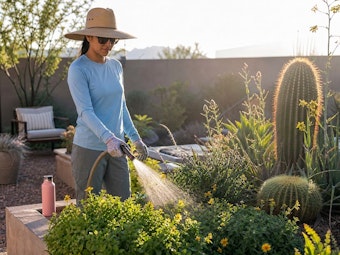 When temperatures climb into the triple digits, it's not just your plants that feel the stress. Plan gardening tasks for early morning or later in the evening when it's cooler, wear lightweight sun-protective clothing, and keep plenty of water nearby. Taking regular breaks in the shade can help you stay comfortable and safe while working outdoors.
Whether you're watering or checking on your landscape, a few simple precautions can make summer gardening much more enjoyable. Click the button below, for practical tips on staying cool, hydrated, and protected while spending time in your garden.
Tips to Stay Safe While Gardening in Summer Heat
Questions? We're always here to help! Stop by your local SummerWinds Nursery and speak with one of our Trusted Garden Advisors.