Be Inspired Blog - Arizona
Gardening with Reflected Heat in Mind in the Greater Metro Phoenix Area
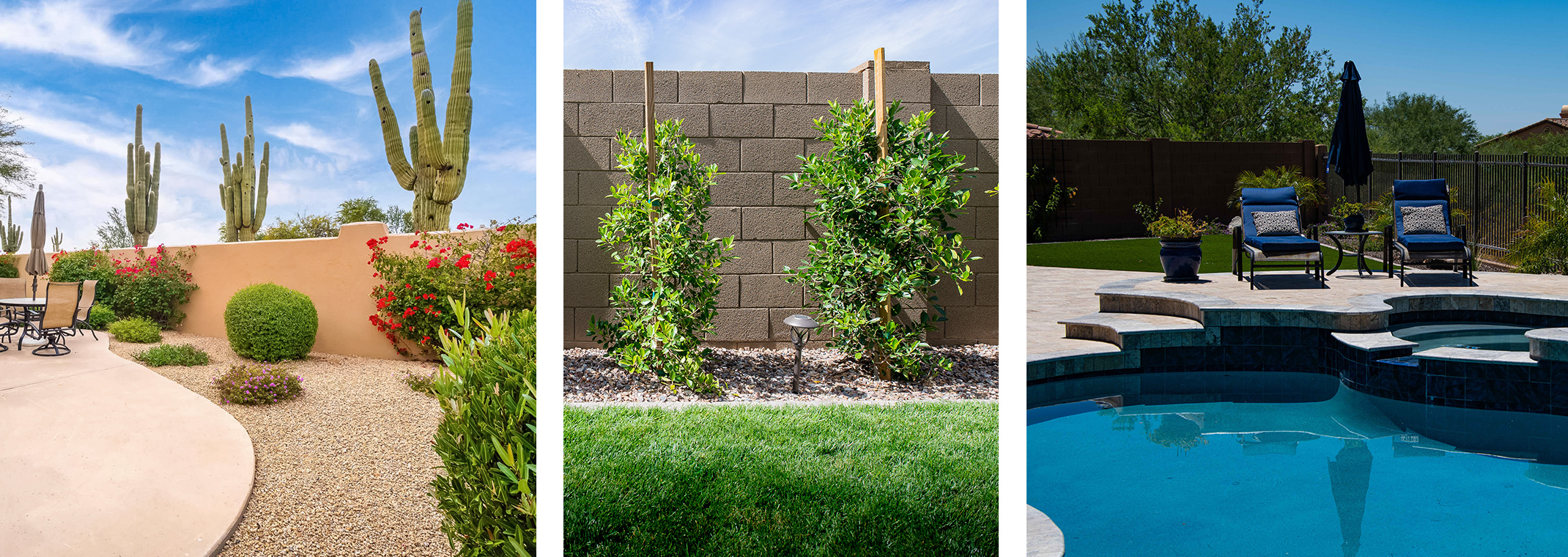
In the greater Phoenix area, sunshine is abundant — but so is reflected heat. Block walls, gravel mulch, concrete patios, pool decking, stucco homes, and even large windows can intensify temperatures around your plants far beyond the actual air temperature. For gardeners across the Valley, learning how reflected heat works can mean the difference between stressed plants and a thriving landscape.
The good news? With thoughtful planning, smart plant placement, and a few practical strategies, you can work with Phoenix heat instead of constantly fighting it.
What Is Reflected Heat?
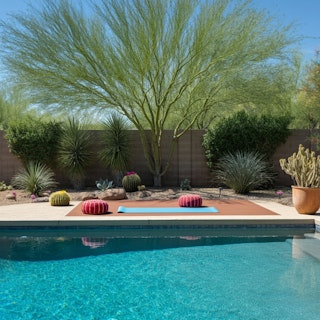
Reflected heat happens when surfaces absorb solar energy and radiate it back into the surrounding area. In Metro Phoenix landscapes, common heat-reflecting surfaces include:
- South- and west-facing stucco walls
- Concrete sidewalks and driveways
- Pool decking
- Gravel and rock mulch
- Artificial turf
- Large windows
- Metal fencing
These surfaces can dramatically increase the temperature around nearby plants, especially during summer afternoons. A plant listed as “full sun” may still struggle if it’s planted against a west-facing wall that radiates intense heat into the evening.
Understand Your Yard’s Microclimates
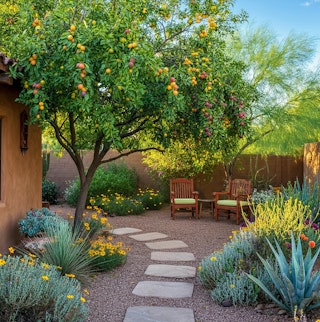
One of the most valuable things Phoenix gardeners can do is observe how heat moves through their landscape.
Walk your garden at different times of day and notice:
- Which walls stay hottest after sunset
- Areas where gravel seems to “bake”
- Spots with afternoon shade
- Places protected by trees or structures
- Wind exposure around patios or courtyards
Even small differences matter. A plant growing three feet away from a block wall may experience significantly higher temperatures than the same plant planted farther out into the yard.
Creating microclimates can help reduce temperatures, minimize heat stress, and improve moisture retention throughout your desert garden.
The Toughest Exposure: West-Facing Areas
West-facing exposures are often the harshest in the Phoenix area because they receive the most intense afternoon sun during the hottest part of the day.
 Plants in these locations need to handle:
- High light intensity
- Radiating wall heat
- Hot evening temperatures
- Reduced overnight cooling
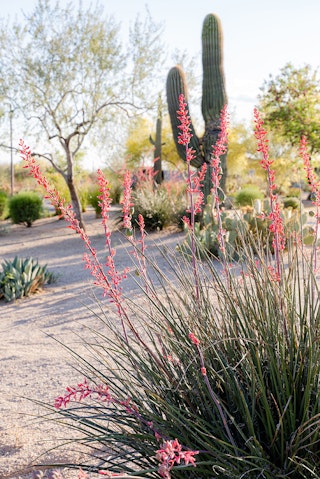
These areas are best suited for truly heat-tolerant desert plants such as:
- Red yucca
- Texas sage
- Yellow bells
- Desert spoon
- Baja fairy duster
- Lantana
- Angelita daisy
Even many “sun-loving” plants appreciate some protection from reflected western heat.
Leave Space Between Plants and Walls
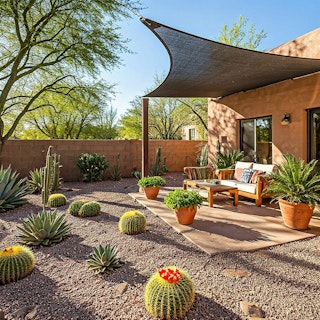
A common mistake is planting shrubs directly against block walls or foundations. While it may look tidy at first, plants often suffer because heat becomes trapped around the foliage and root zone.
Instead:
- Leave extra spacing near hot walls
- Allow room for airflow
- Avoid overcrowding plants
- Consider mature plant size carefully
Giving plants breathing room helps reduce heat stress and improves overall health.
Use Trees Strategically
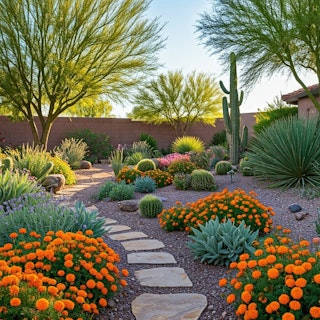
Shade is one of the most powerful tools in Phoenix gardening.
Well-placed trees can:
- Lower surrounding temperatures
- Protect walls from absorbing excess heat
- Reduce soil evaporation
- Create more comfortable microclimates for understory plants
Desert-adapted shade trees like palo verde, mesquite, and desert willow can help cool planting areas while still thriving in Valley conditions.
Even partial afternoon shade can make a major difference for more sensitive plants.
Choose Mulch Carefully
Rock mulch is popular throughout Arizona landscapes, but it also absorbs and radiates heat. In some situations, it can increase stress on nearby plants.
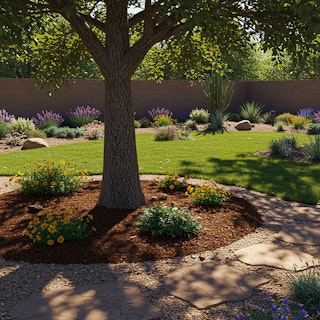 Organic mulch offers several advantages:
- Insulates soil temperatures
- Retains moisture longer
- Improves soil over time
- Reduces heat buildup around roots
Wood chips, bark mulch, or compost blends can be especially beneficial around vegetables, herbs, roses, and flowering plants.
If you prefer decorative rock, consider:
- Using lighter-colored stone
- Mixing in organic mulch near plant bases
- Avoiding excessive layers of heat-retaining gravel
Container Gardens Need Extra Attention
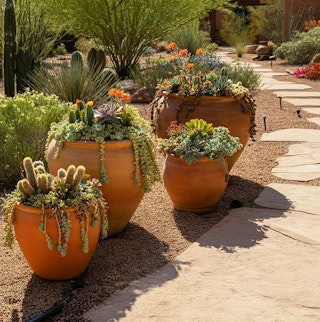
Containers heat up much faster than in-ground plantings, especially on patios and pool decks.
To help container plants survive Phoenix summers:
- Use larger pots when possible
- Choose glazed or lighter-colored containers
- Avoid placing pots directly against west-facing walls
- Group containers together to create humidity and shade
- Water consistently during heat waves
Rolling plant stands or movable containers can also help you shift plants seasonally.
Watch for Heat Stress Symptoms
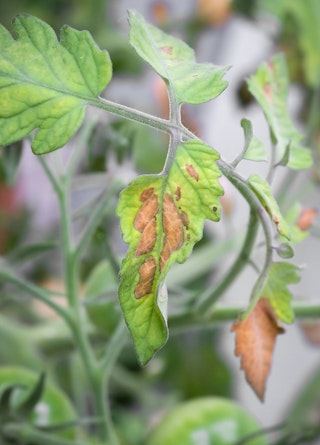
Reflected heat damage can look different from simple underwatering. Signs may include:
- Leaf scorch or browning edges
- Wilting despite moist soil
- Bleached foliage
- Sunburn spots
- Flower drop
- Reduced growth
Sometimes gardeners water more and more, when the real issue is excessive heat exposure.
Adjusting plant placement or providing temporary shade cloth may solve the problem more effectively.
Don’t Forget About Seasonal Sun Angles
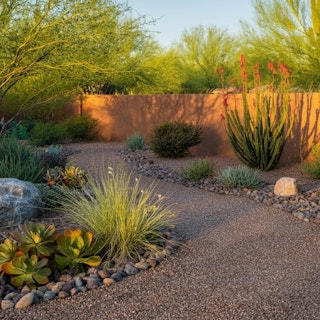
The sun’s position changes dramatically throughout the year in Arizona. Areas that feel comfortable in winter may become brutally hot in June and July.
A spot receiving “morning sun” in January may experience intense afternoon exposure by summer.
Pay attention to:
- Seasonal shade patterns
- Tree canopy changes
- Sun reflection from nearby structures
- Monsoon humidity combined with radiant heat
Planning ahead helps avoid costly replanting later. Learn how to map the sun in your landscape.
Gardening Smarter in the Desert
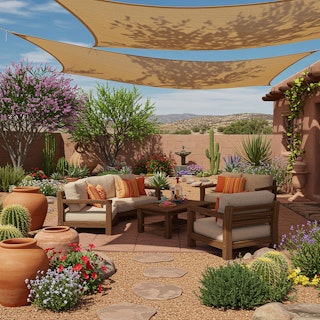
Phoenix-area gardening is all about observation and adaptation. Reflected heat is one of the biggest hidden challenges in desert landscapes, but once you recognize it, you can design around it successfully.
By understanding your yard’s hot spots, selecting appropriate plants, improving shade, managing heat-retaining surfaces carefully, and adjusting your watering, you can create a healthier, more resilient garden — even during the peak of summer.
In the desert, the right plant in the right place makes all the difference.