Be Inspired Blog - Arizona
Mulch vs. Soil Amendments vs. Potting Soil: What’s the Difference (and When to Use Each in Phoenix)?
If you’ve ever walked into a garden center looking for “soil,” you’ve probably realized that not all bags are created equal. Mulch, soil amendments, and potting soil each serve very different purposes—and in the unique desert climate of the greater Phoenix area, using the right one at the right time makes all the difference.
Let’s break down what each one does and how to use them successfully in our low-desert environment.
 Mulch: Your Garden’s Protective Blanket
What it is:
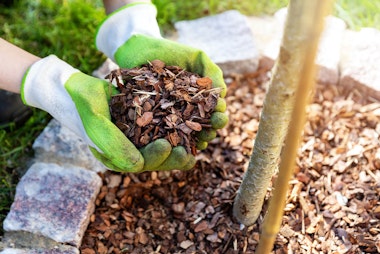
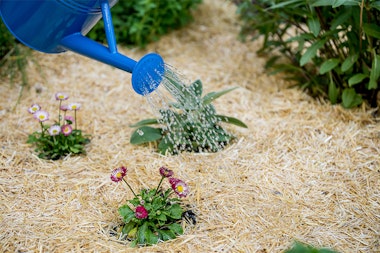
Mulch is a material spread on top of the soil surface. It can be organic (wood chips, bark, straw) or inorganic (gravel, decomposed granite).
What it does:
Mulch does not improve soil structure directly. Instead, it:
- Reduces soil temperature
- Slows moisture evaporation
- Suppresses weeds
- Prevents soil crusting
- Reduces erosion
- Protects plant roots from extreme heat
Why Mulch Is Essential in Phoenix
In the Phoenix metro area, summer soil temperatures can exceed 140°F in direct sun. Without protection, shallow plant roots can suffer stress or damage. A 2–4 inch layer of organic mulch dramatically cools the soil and reduces how often you need to water.
While gravel mulch is common in desert-adapted landscapes, it also reflects heat. If you're looking to create a cooler microclimate, we recommend opting for an organic mulch instead.
For vegetable gardens and flower beds, organic mulch (wood chips, shredded bark, or composted mulch) is usually preferred because it also gradually improves soil as it breaks down.
 When to Use Mulch
- Around trees and shrubs (leave a gap around the trunk)
- On top of vegetable garden beds
- In flower beds
- Around newly planted plants to reduce transplant shock
- Anytime temperatures start climbing in spring
Pro Tip for Phoenix: Replenish organic mulch at least once per year. Our intense sun breaks it down faster than in milder climates.
Soil Amendments: Improving What’s Already There
 What they are:
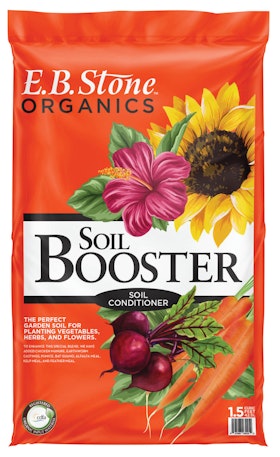
Soil amendments are materials mixed into your native soil to improve its structure, drainage, and fertility. Common amendments include compost, aged manure, worm castings, and gypsum.
What they do:
Amendments enhance:
- Soil structure
- Water retention
- Drainage
- Nutrient availability
- Root development
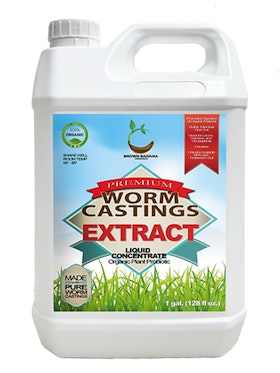 Why Amendments Matter in Desert Soil
Phoenix-area soils are typically:
- Alkaline
- Low in organic matter
- High in clay or compacted caliche
- Poor at holding nutrients
Adding compost or other organic matter helps break up heavy clay, improves drainage, and allows roots to grow more easily. It also increases microbial life, which supports healthier plants.
Gypsum is sometimes recommended for breaking up clay soil, but it works best when drainage is already possible and excess salts can leach away.
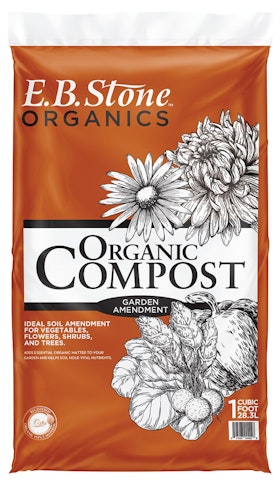 When to Use Amendments
- Before planting a vegetable garden
- When preparing new flower beds
- When installing shrubs (mix into backfill soil)
- To refresh raised beds between seasons
- When soil is compacted or drains poorly
How to Apply:
Spread 2–3 inches of compost over the soil surface and mix it 6–8 inches deep before planting.
Pro Tip for Phoenix: Amend only the planting area for seasonal vegetables and flowers. For desert trees and native plants, avoid over-amending large planting holes, which can encourage roots to stay confined instead of growing outward.
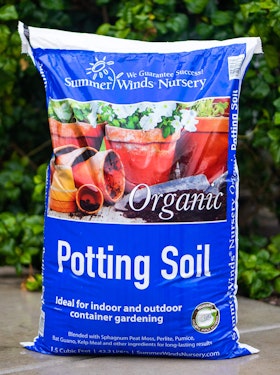 Potting Soil: For Containers Only
What it is:
Potting soil (more accurately called potting mix) is a lightweight growing medium designed specifically for containers. It usually contains a blend of peat moss or coco coir, compost, perlite, and sometimes slow-release fertilizer.
What it does:
Potting mix is formulated to:
- Drain well in confined spaces
- Retain moisture without becoming waterlogged
- Provide nutrients for container plants
- Prevent compaction in pots
Why You Shouldn’t Use Garden Soil in Pots
Native soil from your yard is too dense for containers. In pots, it compacts easily, drains poorly, and can suffocate plant roots. Potting mix is engineered to maintain airflow and proper drainage in a closed container environment.
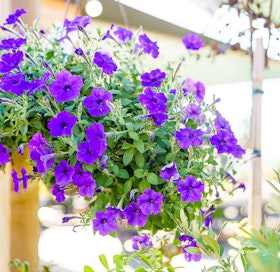 When to Use Potting Soil
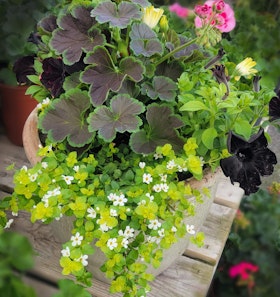
- In patio pots
- In hanging baskets
- In raised planters without open bottoms
- For indoor plants
- For seasonal color on patios and entryways
Pro Tip for Phoenix: Container plants dry out much faster in our desert heat. Choose a high-quality potting mix and consider adding a moisture-retention product during the summer months. Be prepared to water daily (or even twice daily) in peak heat.
Quick Comparison Guide
| Product | Where It Goes | Purpose | Phoenix Tip |
|---|---|---|---|
| Mulch | On top of soil | Temperature control & moisture retention | Essential for summer survival |
| Amendment | Mixed into soil | Improves soil structure & fertility | Add compost before planting |
| Potting Soil | In containers only | Provides drainage & nutrients in pots | Never substitute native soil |
 Seasonal Timing in the Greater Phoenix Area
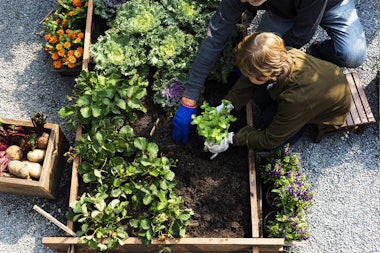
- Fall (Best Planting Season): Add compost and amendments before planting vegetables, flowers, and shrubs.
- Spring: Apply fresh mulch before temperatures spike.
- Summer: Maintain mulch depth and monitor container soil moisture closely.
- Between Plantings: Refresh raised beds with compost before replanting.
 The Bottom Line
Think of it this way:
- Mulch protects.
- Amendments improve.
- Potting soil supports container growth.
Using the right product in the right way is especially important in the challenging desert conditions of the greater Phoenix metro area. Healthy soil below and proper protection above are the keys to thriving plants year-round.
If you’re not sure which product is right for your specific garden project, our team is always happy to help you choose the best option for your space and the season.