Raised Garden Beds & Their Benefits
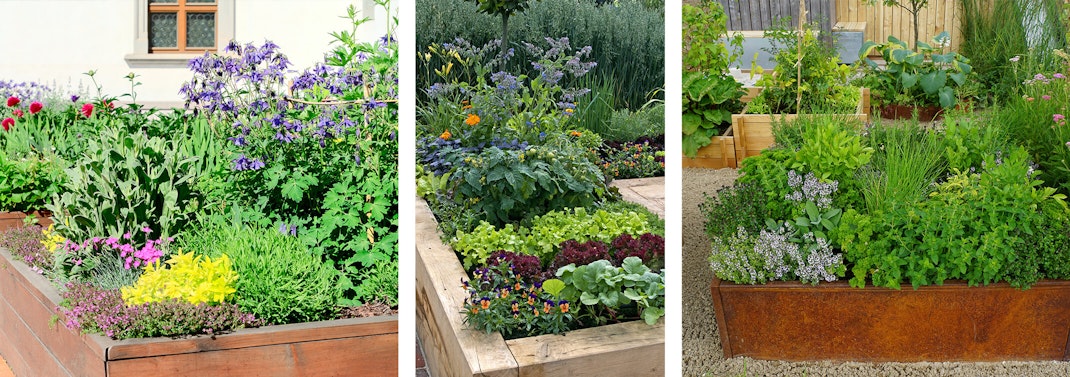
Why Use a Raised Garden Bed?
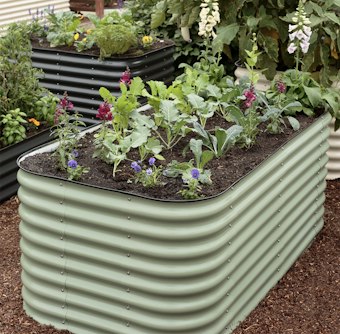
Creating a raised garden is ideal for a number of reasons. Raised garden beds can be used for most types of plants—from seasonal edibles to annuals, perennials and small shrubs. Perhaps you have an area where the ground is difficult to dig. Maybe elevated garden beds would be beneficial for your tender back or knees. Or perhaps you just like the styling of raised planter boxes. Whatever the reason, DIY raised garden beds are easy to build and even easier to use! There are many other benefits, including: controlling soil conditions, better drainage, soil depth and limiting soil compaction. It also serves as a pest barrier and gets warm faster in the spring.
Types
Raised garden beds can be made to fit any location and can even be built with supplies you may have laying around. Pre-made boxes are available for purchase and come in a number of sizes for your convenience. Some are metal—like Birdies Metal Raised Garden Beds, wood, or made from recycled materials. You can also make a DIY raised garden bed from rock, straw bales, old pallets cut down and lined with burlap and more… We recommend building a raised garden with cedar or redwood since they do not rot or break down like other woods.
Height & Access
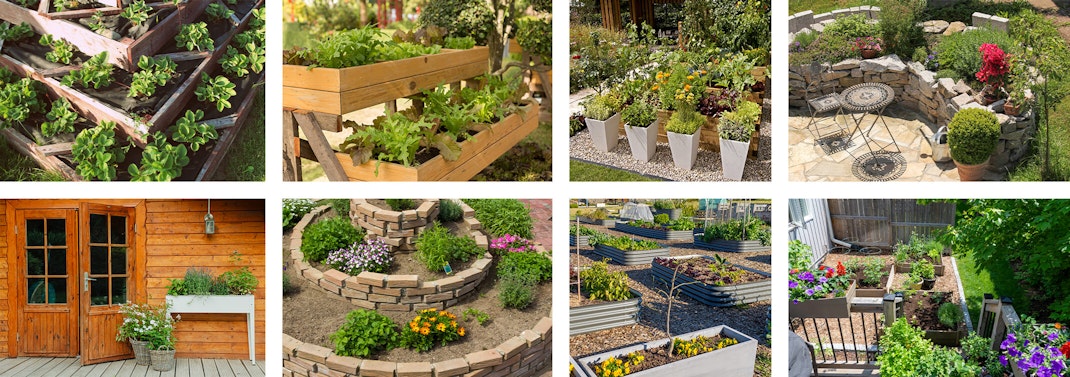
The minimum height of a raised garden should be 1 foot. If you are using wood, you can use more than one plank to build taller raised garden beds or to create multiple levels for planting different types of plants. When designing your elevated garden beds, you can be as creative as you’d like and even incorporate a bench to sit on for easy garden maintenance and enjoyment.
Location
Pick a location that will allow for 6 to 8 hours of sun daily; more sun in the winter and less sun in the summer. Consider the placement in terms of having easy access. If you will only have access to one side of your raised garden, a depth of no more than 2 feet is ideal.
 Soils
Soils
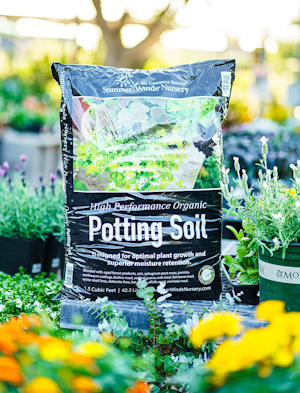
You can make your own soil, or you can use a high-quality already prepared mix like:
Planting
Consider the size and growth habits of your plants. Plant the higher plants in the middle and the lower-growth plants on the outside. Consider succession planting so that you have an abundance of crops available throughout the season.
If you have more questions on how to design or plant a raised garden, stop into your local SummerWinds Nursery today and speak with one of our Trusted Garden Advisors!
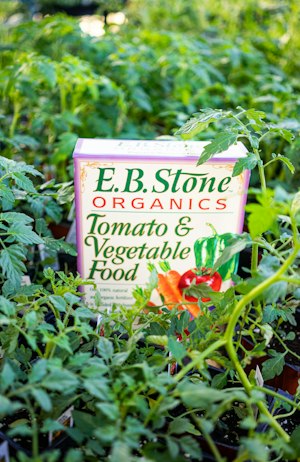
Fertilizing
Because raised garden beds drain so well, nutrients tend to leach out of the soil faster than they do in native ground soil. To keep your plants growing strong and productive, plan to fertilize your raised bed about once a month during the active growing season.
Choose a fertilizer based on what you’re growing:
- E.B. Stone Organics Tomato & Vegetable Food – great for tomatoes, peppers, cucumbers, squash, and other edibles
- E.B. Stone Organics Rose & Flower Food – ideal for flowering annuals, perennials, and blooming beds
- E.B. Stone Organics Citrus & Fruit Tree Food – perfect for citrus, berries, and fruiting plants
- E.B. Stone Organics All Purpose Plant Food – an easy option if your raised bed has a mix of veggies, herbs, and flowers
Tip: For best results, apply fertilizer to moist soil, water thoroughly after feeding, and reapply monthly to help keep nutrients available as plants grow.
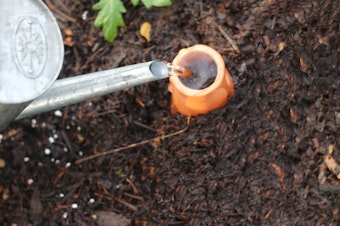 Watering Tip: Use Ollas for Deep, Slow Watering
You can plant an olla (pronounced “OY-yah”) in your raised garden bed to help keep your plants consistently watered with less effort. Ollas are unglazed clay watering pots that are buried in the soil and filled with water—then they slowly release moisture through the clay as the surrounding soil dries out.
To use one, bury the olla so only the lid (or top opening) is above the soil surface, place it near the plants you want to water most, and fill it regularly. This method is especially helpful in the desert because it delivers water right at the root zone, reduces evaporation, and supports stronger root growth.
How many you need depends on your bed size and what you’re growing: one medium olla typically covers about a 2’ x 2’ area, so a 4’ x 4’ bed usually needs 2–4 ollas, while a 4’ x 8’ bed often needs 4–6 (more for thirsty plants like tomatoes, fewer for herbs or drought-tolerant veggies). For best results, space them evenly and monitor how often they empty so you can adjust to the season and plant needs.
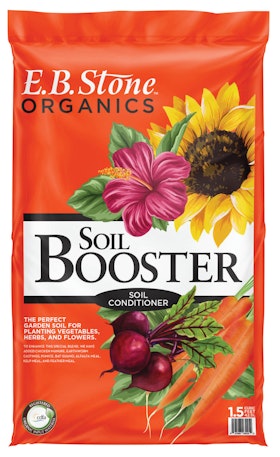 Refreshing Your Soil: Feed What You’ve Already Built
One of the best ways to keep a raised garden bed productive season after season is to refresh and rebuild soil health—without fully replacing your soil.
Start by using a soil booster or soil amendment to help replenish nutrients and improve structure for both existing plants and new starts. An easy option that won’t disturb established roots too much is to top-dress with a thin layer of worm castings, then add a layer of compost on top to slowly feed the soil as you water.
You can also mix in soil-improving ingredients like BioChar Premium Organic or Bio Char Carbon Boost (with mycorrhizae) to support beneficial microbes and improve long-term moisture and nutrient holding power.
Another great addition is coconut coir, which helps improve water retention and keeps soil from drying out too quickly in warm weather.
Additional soil refresh options include adding aged composted manure, E.B. Stone Organics Recipe 420, or a gentle all-purpose organic fertilizer to help keep your raised bed soil active and productive—especially after heavy-feeding crops like tomatoes, peppers, and cucumbers.
If you have more questions on how to design, plant or refresh a raised garden, stop by your local SummerWinds Nursery today and speak with one of our Trusted Garden Advisors!