Be Inspired Blog - Arizona
Summer Lawn Care Guide for Arizona
Arizona summers can be tough on lawns — but Bermuda grass thrives in the heat when it’s watered, mowed, and maintained correctly. Whether you have a traditional lawn or a smaller limited turf area, a few seasonal adjustments can help keep your grass healthy, green, and more resilient through the hottest months of the year.
Understanding Arizona’s Summer Lawns
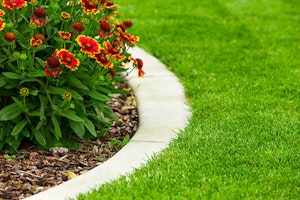 In the low desert, Bermuda grass is the primary warm-season lawn grass used during summer. Bermuda becomes active as soil temperatures warm in late spring and grows vigorously throughout summer.
Many Arizona homeowners also overseed with rye grass in fall to maintain a green winter lawn. As temperatures rise in spring, the rye grass naturally dies back while Bermuda begins growing again.
If your Bermuda lawn still looks brown in early spring, don’t panic. Bermuda naturally goes dormant during winter and may take time to fully green up depending on overnight temperatures and soil warmth.
Late spring is typically the best time to transition from winter rye to summer Bermuda lawns.
 Do You Need to Seed Bermuda Grass in Summer?
Most established Bermuda lawns in Arizona return naturally each spring as soil temperatures warm. In many cases, homeowners do not need to reseed Bermuda each year.
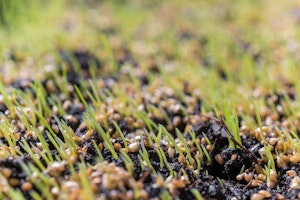
However, if your lawn has thin or damaged areas, late spring and early summer are generally the best times to seed or repair Bermuda grass because the warm temperatures support active growth.
Many Arizona homeowners also overseed with rye grass in fall to maintain green winter color. As temperatures rise in spring, the rye grass dies back and Bermuda resumes active growth for summer.
Summer Watering Tips for Bermuda Grass
One of the most common lawn care mistakes during summer is watering too often and too lightly. Bermuda grass performs best when watered deeply and less frequently, encouraging deeper root growth and better drought tolerance.
Bermuda grass performs best when watered deeply every few days rather than receiving shallow daily watering. Deep, less frequent watering encourages stronger root growth and better drought tolerance.
As a general guideline, lawns should be watered deeply enough for moisture to penetrate about 6–8 inches into the soil. Depending on soil conditions and sprinkler coverage, this often requires approximately ¾ inch of water per irrigation cycle.
 Water Early in the Morning
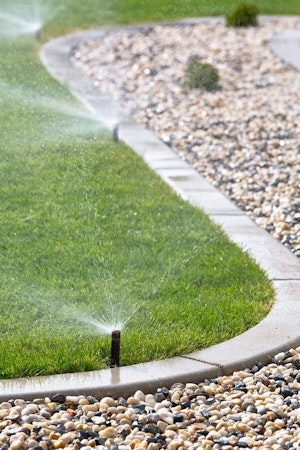
Early morning is usually the best time to water lawns during summer because:
- Temperatures are cooler
- Evaporation rates are lower
- Winds are calmer
- Sprinkler coverage tends to be more effective
Watering during the hottest part of the day can lead to unnecessary water loss.
How to Check if You’re Watering Deeply Enough
To help determine how evenly your sprinklers are watering:
- Place several shallow cans around your lawn
- Run your sprinklers for 15 minutes
- Measure the amount of water collected
- Adjust your irrigation timing as needed to help moisture penetrate deeper into the soil
If water begins running off the lawn before soaking in, split watering into shorter cycles separated by at least 30 minutes.
Watering Made Easy with Texts from Water – Use It Wisely
To assist residents with watering, you can sign up to receive a monthly text message from local water conservation specialists through Water – Use It Wisely.
Signs Your Lawn May Need More Water
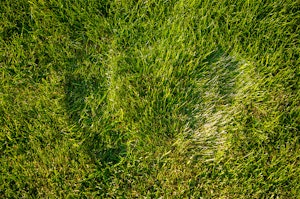 Your Bermuda lawn may be underwatered if:
- Grass develops a blue-gray tint
- Footprints remain visible after walking across the lawn
- Soil becomes hard and difficult to penetrate
- Turf still feels hot long after sunset
Deep watering helps Bermuda develop stronger roots and improves heat tolerance during extreme summer temperatures.
Signs Your Lawn May Be Overwatered
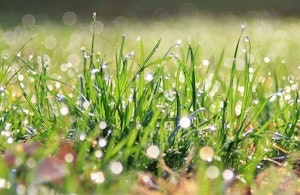 Overwatering can waste water and create conditions that encourage lawn diseases and fungal problems.
Your lawn may be receiving too much water if:
- Water regularly puddles on the surface
- Soil feels soft or soggy
- Mushrooms or algae appear
- The lawn develops a musty smell
Adjusting irrigation timing and improving drainage can often help correct these problems.
Mowing Bermuda Grass During Summer
 Mowing height plays a major role in lawn health during extreme heat.
Cutting Bermuda grass too short — often called scalping — can stress the lawn, increase water use, and reduce root growth.
During peak summer growth:
- Common Bermuda is generally maintained between ¾ inch and 2 inches tall
- Lawns may need mowing every 5–7 days
- Slightly taller grass can help shade roots and reduce stress during hotter weather
As temperatures rise, raising mower height slightly can help improve overall lawn resilience.
Dethatching and Aerating Bermuda Lawns
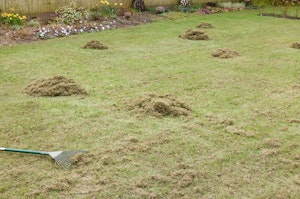 Over time, lawns can develop a thick layer of thatch made up of roots and grass stems. Excessive thatch can block water movement and reduce airflow to roots.
When to Dethatch
Late spring through early summer is usually the best time to dethatch Bermuda lawns because the grass is actively growing and can recover more quickly.
If the thatch layer becomes thicker than about half an inch, dethatching may help improve lawn health.
When to Aerate
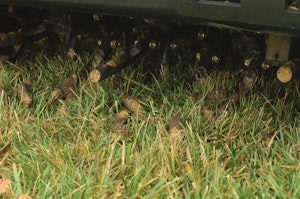
Core aeration can help relieve compacted soil and improve water penetration.
Aerating is often most beneficial:
- In late spring or early summer
- After Bermuda is actively growing
- In lawns with hard soil, runoff, or standing water
Core aerators remove plugs of soil, helping oxygen, water, and nutrients reach the root zone more effectively.
 Fertilizing Bermuda Grass During Summer
Bermuda grass benefits from regular feeding during the growing season to maintain color and encourage healthy growth.
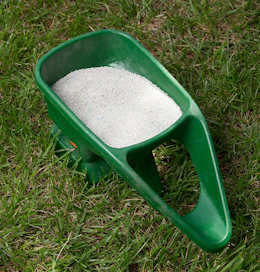
Slow-release lawn fertilizers, like True Organic - Organic Lawn Food, are often a good choice for summer lawns because they provide more gradual nutrient release and may reduce excessive growth surges.
Be careful not to overfertilize, as this can increase mowing needs and water demand during the hottest part of the year.
 Considering a Limited Turf Area?
Many Arizona homeowners are reducing the size of traditional lawns and creating smaller limited turf areas to help conserve water while still enjoying usable green space.
Groundcovers, native plants, and drought-tolerant landscaping can also help reduce maintenance and water use while adding year-round interest to the landscape.
Let the Gardening Experts at SummerWinds Help

A healthy summer lawn starts with proper watering, mowing, and seasonal maintenance. Whether you’re caring for Bermuda grass, repairing thin spots, or exploring low-water landscape alternatives, the SummerWinds team can help you choose the right products and plants for Arizona landscapes.
Visit your local SummerWinds location for expert advice on lawn care, fertilizers, irrigation, groundcovers, grass seed, and more to help your landscape look its best through the summer season.