Be Inspired Blog - Arizona
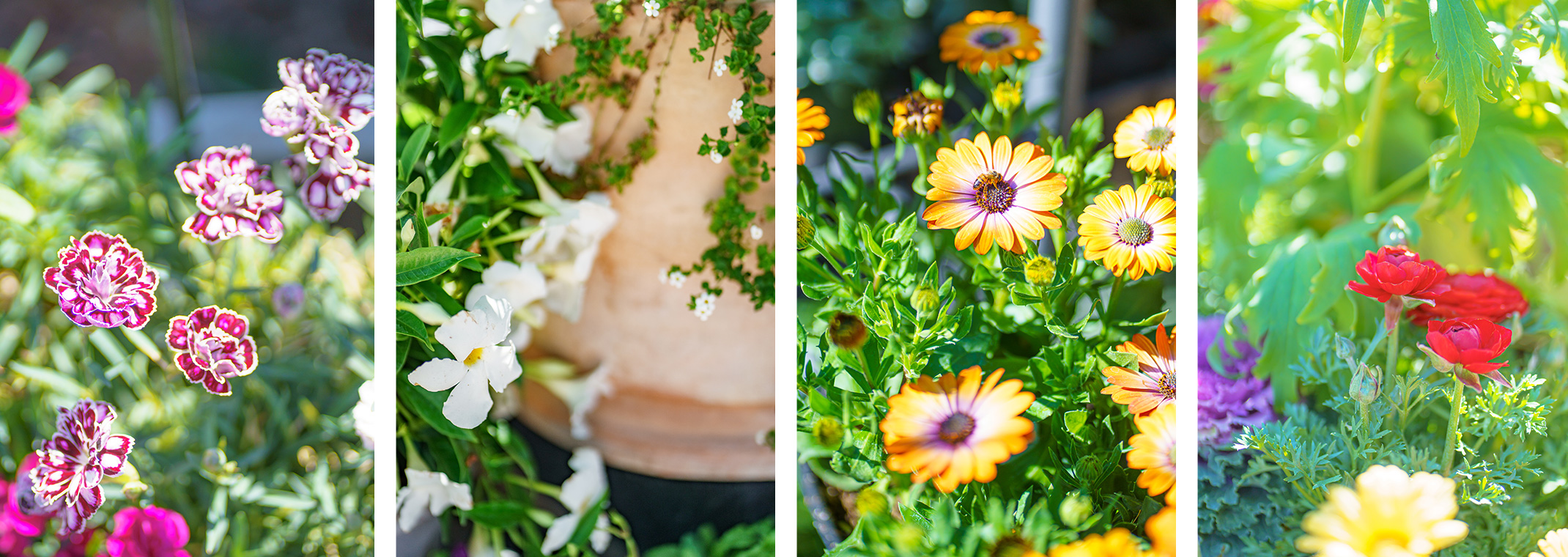
How to Refresh Your Fall & Winter Flowers in the Valley of the Sun
If you planted your fall and winter flowers back in October or November, they’ve likely been blooming beautifully through our mild desert winter. But by mid-season (January–February), even the best beds and containers can start to look a little tired. The good news? In the Greater Phoenix Metro Area, it’s easy to give them a boost and keep the color going strong through spring.
 Here’s how to refresh your cool-season flowers right now:
1. Shear Back Leggy Growth
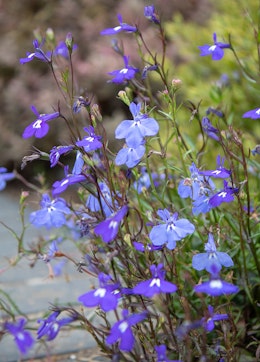
Many winter annuals — especially petunias, snapdragons, alyssum, and lobelia — can get stretched or sparse after months of blooming.
- Lightly trim back leggy stems (about ⅓ of the plant).
- Remove any frost-damaged tips.
- Don’t be afraid to shape plants to encourage fuller growth.
Within a couple of weeks, you’ll see fresh growth and more blooms.
2. Feed for a Fresh Flush of Blooms
By now, your flowers have used up much of the nutrients in the soil or containers.
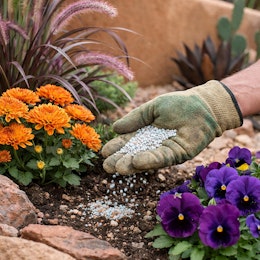
- Apply a balanced or bloom-boosting fertilizer.
- For beds, use a granular slow-release fertilizer and water it in well.
- For containers, a liquid fertilizer every 2–3 weeks works great.
Phoenix’s winter sun keeps plants actively growing, so feeding now makes a noticeable difference.
 3. Refresh the Soil Surface
In both beds and pots:
- Gently loosen compacted soil around plants.
- Top off containers with fresh potting mix if soil has settled.
- Add a thin layer of compost in garden beds to improve soil structure and nutrients.
Healthy soil supports stronger root systems and better flowering.
4. Adjust Your Watering
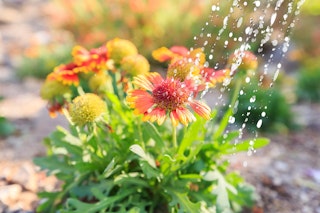
Even in winter, our desert air is dry — but plants don’t need as much water as they did in fall.
- Water deeply but less frequently.
- Check soil moisture before irrigating.
- Make sure containers drain well to avoid root issues during cooler nights.
Proper watering helps prevent stress and keeps blooms vibrant.
5. Replace What’s Struggling
Sometimes a few plants just don’t perform as expected.
- Swap out weak or declining plants with fresh annuals.
- Fill gaps to keep beds looking full and colorful.
In the Valley, you can still plant cool-season flowers through late winter for continued color.

6. Stay Ahead of Pests
Aphids are common this time of year, especially on tender new growth like snapdragons and calendula.
- Check undersides of leaves regularly.
- Spray off aphids with water, or use organic controls if needed.
- Healthy, well-fed plants are naturally more resilient.
With just a little mid-season maintenance, your fall and winter flowers can continue putting on a show well into spring. In Phoenix, this is prime gardening season — and a quick refresh now keeps your landscape looking bright, healthy, and full of life while much of the country is still waiting for spring.