Be Inspired Blog - Arizona
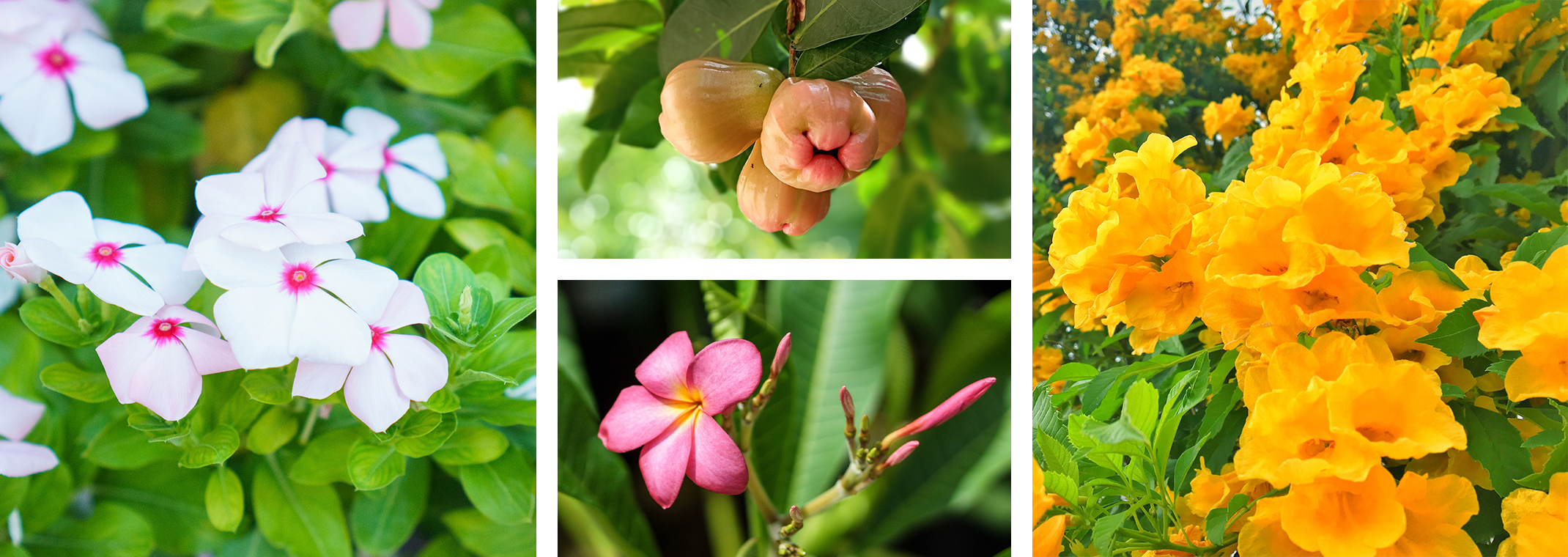
Top 18 Plants to Protect From Frost in the Valley of the Sun
What Phoenix-area gardeners should cover first when cold nights arrive
While winters in the Valley of the Sun are generally mild, frost can still catch gardeners off guard. Clear skies, calm winds, and overnight temperature dips can damage tender plants—even when daytime temperatures feel comfortable.
You don’t need to protect everything in your landscape. But knowing which plants are most likely to benefit from frost protection can save time, money, and frustration when cold weather is in the forecast.
This list highlights 18 common landscape plants, edibles, and seasonal favorites that Phoenix-area gardeners most often ask about during frost season. Some may recover after cold exposure, while others can suffer lasting damage—but all benefit from protection during cold desert nights.
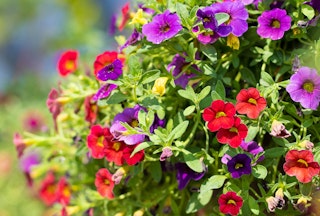
1. Bedding Plants (Assorted Seasonal Color)
Seasonal color plants—such as petunias, vinca, impatiens, and other annuals—are among the most frost-sensitive plants in Valley gardens.
Protect them by:
Covering with frost cloth and watering soil the day before a cold night to help retain warmth.

2. Bougainvillea
Bougainvillea is a heat-loving tropical vine/shrub that thrives in the Valley of the Sun most of the year, but cold snaps and frost can quickly damage new growth, leaves, and blooms. Even if the plant survives, frost exposure often results in leaf drop and a temporary “bare stick” look until warmer weather returns.
Protect it by:
Covering it before sunset on cold nights, especially for younger plants. Supporting frost cloth with stakes or hoops to keep it off tender branches. Avoiding heavy pruning until spring (wait until frost risk has passed).
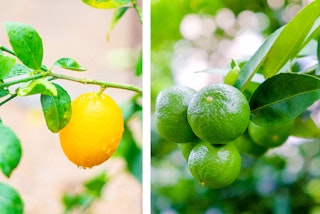
3. Young Citrus Trees ⭐
While mature citrus trees handle cool temperatures fairly well, young or newly planted citrus trees are far more vulnerable to frost damage. Cold injury may not appear immediately and can show up days later as leaf drop or dieback.
Protect them by:
Draping frost cloth all the way to the ground, securing it well, and removing covers during the day once temperatures rise.
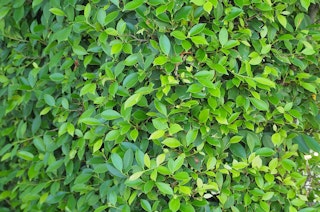
4. Ficus Trees
Ficus trees are popular patio and landscape plants but are highly sensitive to cold. Frost can cause rapid leaf drop and branch damage.
Protect them by:
Covering before temperatures dip below 40°F and placing container plants near warm walls or under cover.
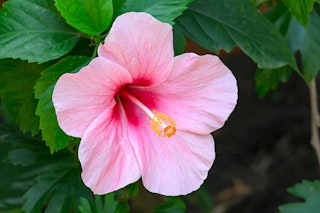
5. Hibiscus
Hibiscus adds lush, tropical color to Phoenix patios and landscapes, but it’s very sensitive to cold temperatures. Frost can cause leaf drop, bud loss, and dieback, especially on plants in exposed areas or containers. Hibiscus is one of those plants that often looks fine before a cold night—and dramatically stressed the morning after.
Protect them by:
Moving potted hibiscus under a covered patio or indoors overnight. Covering in-ground plants with frost cloth that reaches the ground. Watering the soil the day before a cold night to help retain warmth.
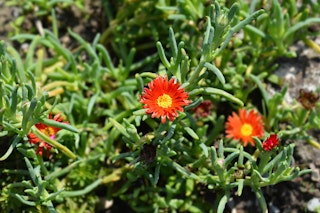
6. Ice Plants (Varieties)
Although often used as groundcover, many ice plant varieties are frost-sensitive and can suffer tissue damage during cold snaps.
Protect them by:
Covering during freezing nights and ensuring good drainage to prevent cold, wet soil stress.
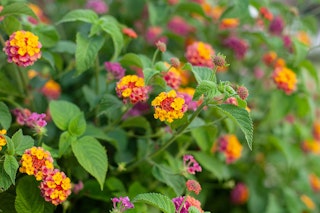
7. Lantana
Lantana often survives winter in Phoenix but is frequently damaged by frost, especially when young or newly planted.
Good to know:
Top growth may die back, but roots usually survive. Wait until spring to prune.
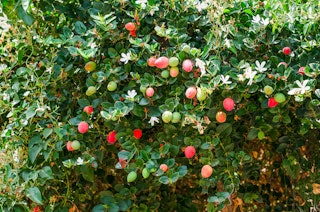
8. Natal Plum (Carissa)
Natal plum is fairly tough once established, but frost can damage tender new growth—especially on young plants.
Protect it by:
Covering smaller shrubs and avoiding late fall pruning that encourages soft growth.
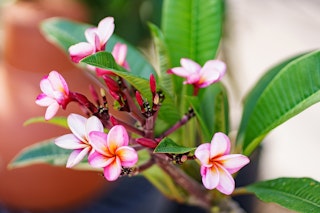
9. Plumeria
Plumeria is extremely frost-sensitive. Cold temperatures can damage stems and cause leaf drop or rot.
Protect it by:
Covering early, wrapping branches if needed, or moving container plants to a protected location.
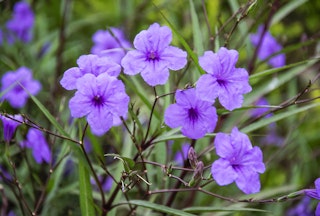
10. Ruellia (Varieties)
Ruellia (Mexican petunia) tolerates desert conditions well but can suffer foliage damage during frost.
Protect it by:
Covering during extended cold periods and mulching around the base to protect roots.
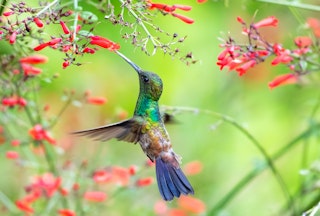
11. Russelia (Coral Fountain)
Russelia is a tender, flowering perennial that is often damaged by frost in exposed areas.
Protect it by:
Covering plants on cold nights and planting in sheltered locations when possible.

12. Succulents (Frost-Sensitive Varieties)
Not all succulents are cold-hardy. Many popular varieties grown in Phoenix landscapes and containers are vulnerable to frost.
Here are some frost-sensitive varieties: Adeniums, Aloe Vera, Aeonium, Echeveria (most varieties and esp. when in containers), Elephant Bush (Portulacaria afra), Crassula (Jade Plant varieties), Kalanchoe, Madagascar Palm (Pacypodium)...
Not sure if the succulents you have are senstive to frost? Speak with a Trusted Garden Advisor at SummerWinds!
Protect them by:
Moving containers under cover, using frost cloth for in-ground plants, and keeping soil on the dry side during winter.
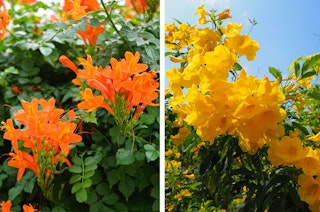
13. Cape Honeysuckle (Tecoma capensis) & 14 Yellow Bells (Tecoma stans)
These flowering shrubs are well-adapted to desert heat but may show leaf drop or tip damage after frost.
Helpful tip:
Young plants benefit most from frost protection during their first winter.
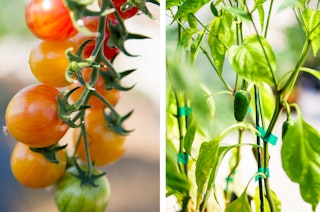
15. Tomatoes & 16. Peppers
All varieties of tomatoes and peppers are extremely frost-sensitive, even when temperatures hover just above freezing.
Protect them by:
Using frost cloth supported by stakes or hoops and harvesting mature fruit before a hard frost.
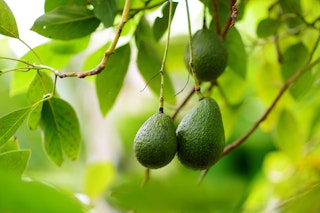
17. Tropical Fruits
Tropical fruit trees—such as mango, papaya, guava, banana, and avocado—can suffer severe damage from even light frost.
Protect them by:
Covering early, mulching heavily around the root zone, and using incandescent lights under frost cloth if needed.
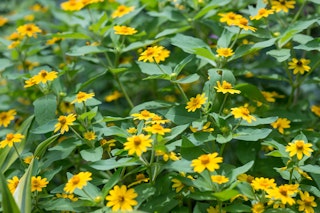
18. Wedelia (Yellow Dot)
Wedelia is commonly used as a groundcover but is susceptible to frost damage, particularly in open or low-lying areas.
Protect it by:
Covering during cold nights and delaying pruning until spring.
 Frost Protection Tips for Valley Gardeners
- Cover plants before sunset to trap daytime heat
- Avoid placing frost cloth directly on plants—it can cause cold damage
- Use stakes or hoops to support frost cloth and create space above plants.
- Secure frost cloth to the ground for maximum protection
- Remove covers during the day once temperatures rise
Even short cold snaps can cause lasting damage, but with proper preparation, most plants recover well and return strong in spring.
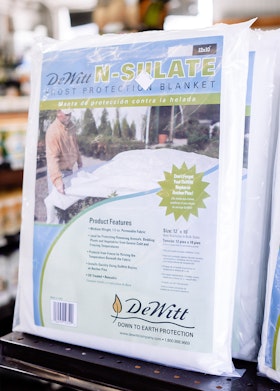
Stop by your favorite SummerWinds Nursery location to pick up frost cloth today—available in rolls and sheets.