Be Inspired Blog - Arizona
Frost Cloth 101: Protecting Your Desert Garden on Cold Nights
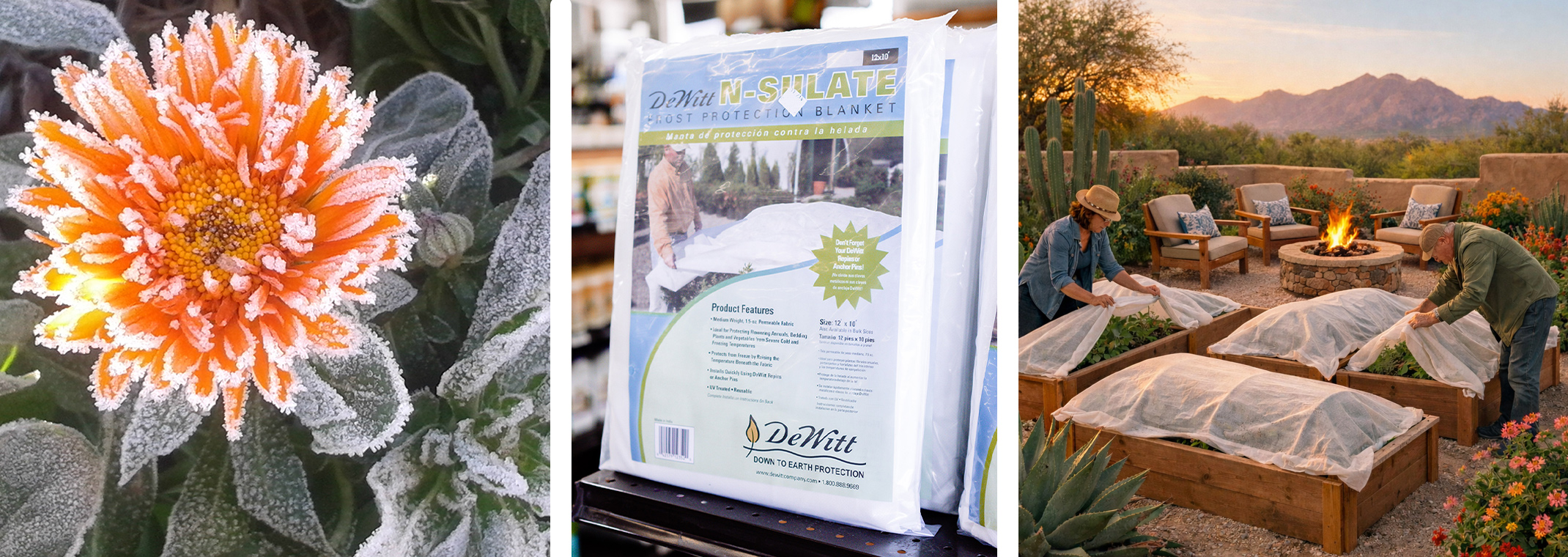
While winters in the Valley of the Sun are generally mild, cold snaps and overnight frost can still catch gardeners off guard. Even a few hours of freezing temperatures can damage tender plants, discolor foliage, or slow growth—especially in exposed landscapes and containers.
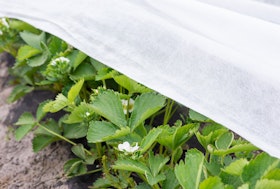
Frost cloth is one of the easiest and most effective tools for protecting plants during chilly desert nights. When used correctly, it helps trap warmth from the soil while shielding plants from frost and cold air.
 Why Frost Cloth Works in Desert Gardens
Unlike plastic or tarps, frost cloth is breathable and lightweight. It allows air, moisture, and light to pass through while providing insulation that can raise temperatures underneath by several degrees. That small difference is often all it takes to prevent frost damage in desert gardens.
Because our freezes are typically short-lived, frost cloth offers just the right level of protection—without stressing plants or disrupting growth—when used properly.
Plants That Benefit Most from Frost Cloth in the Valley of the Sun
🌿 Tropical & Frost-Tender Plants
Plants like bougainvillea, hibiscus, plumeria, ficus, and young citrus trees are especially vulnerable when temperatures dip below freezing. Frost cloth helps prevent leaf drop, stem damage, and dieback.
🌵 Cacti & Succulents
Although many desert plants are cold-tolerant, not all cacti and succulents handle frost well—especially younger plants, soft succulents, or varieties not fully acclimated. Frost cloth adds protection without trapping damaging moisture.
🥬 Vegetable & Herb Gardens
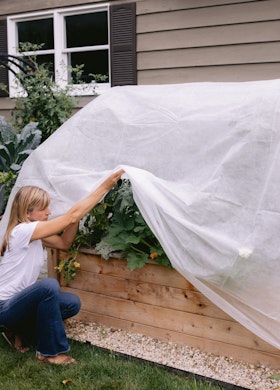
Winter vegetables and herbs may survive light frost, but frost cloth helps prevent leaf burn, extends harvest windows, and keeps plants growing steadily through cold nights.
How to Use Frost Cloth Correctly
1. Create Space Above the Plant
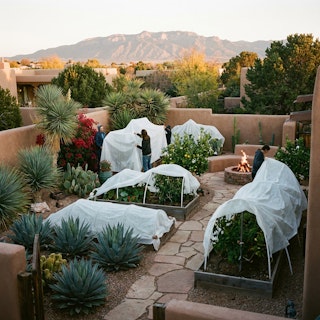
Use garden stakes to form a simple frame or tent so the frost cloth doesn’t rest directly on leaves. This helps prevent cold transfer and protects tender growth.
2. Drape and Secure
Lay the frost cloth over the frame and secure it with clips or ties. Make sure it’s snug but not tight.
3. Seal the Edges
Anchor the cloth to the ground using stakes, soil, rocks, or bricks. This step is key—it traps warmth rising from the soil and keeps cold air out.
4. Cover Before Sunset
Install frost cloth before temperatures drop in the evening so it can capture heat stored in the soil during the day.
(Tip: Frost cloth stakes and clips make setup faster, more secure, and easier to reuse season after season.)
 Frost Cloth Do’s for Desert Gardeners
- Do remove frost cloth during the day once temperatures warm to prevent overheating.
-
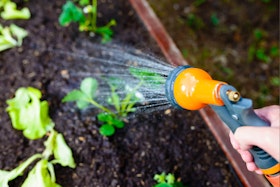
Do water the soil lightly before a cold night—moist soil retains heat better than dry soil.
-
Do cover plants all the way to the ground for maximum insulation.
-
Do store frost cloth clean and dry so it’s ready for the next cold snap.

Frost Cloth Don’ts to Avoid Damage
-
Don’t use plastic directly on plants—it can trap cold and cause leaf burn.
-
Don’t leave frost cloth on for multiple warm days—plants still need sunlight and airflow.
-
Don’t forget to secure the edges—even small gaps reduce effectiveness.
-
Don’t wait until frost is visible—damage can occur before you see it.
A Desert-Friendly Approach to Frost Protection
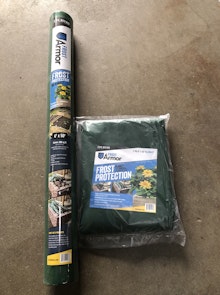
In the Valley of the Sun, frost protection is usually needed only a few nights each winter—but being prepared makes all the difference. Keeping frost cloth, stakes, and clips on hand ensures you can quickly protect sensitive plants when temperatures dip unexpectedly.
With the right setup, frost cloth helps Valley gardeners confidently protect their landscapes, containers, and edible gardens—so plants bounce back beautifully when warmer days return.
To learn more, speak with one of your Trusted Garden Adivsors at your local SummerWinds.