Create a More Comfortable Outdoor Space with Fragrant Plants
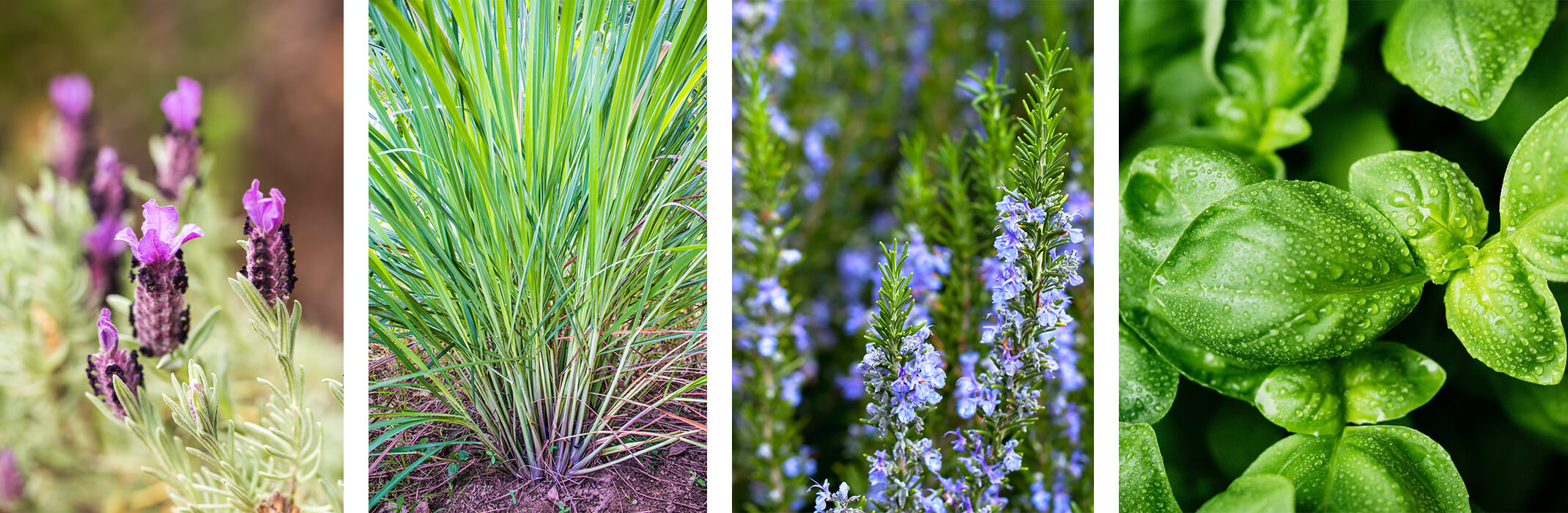 Enjoy the Beauty, Fragrance & Benefits of Garden Plants
Fragrant plants do more than fill your garden with wonderful scents—they can also help create a more enjoyable outdoor environment. While no plant can completely eliminate mosquitoes or other garden pests, many herbs and ornamentals are valued for their aromatic foliage, which may help discourage certain insects when planted near patios, walkways, and outdoor living spaces.
Whether you're designing a peaceful backyard retreat, refreshing your patio containers, or adding herbs to your vegetable garden, these plants offer beauty, fragrance, and practical benefits throughout the growing season.
 Favorite Fragrant Plants for Arizona Gardens
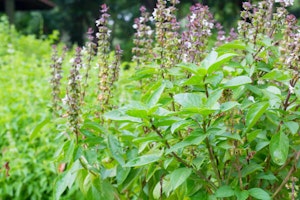
Basil (Ocimum basilicum)
Basil's fragrant foliage may help discourage mosquitoes, flies, and whiteflies while making a flavorful addition to herb gardens and containers. Available in several delicious varieties.
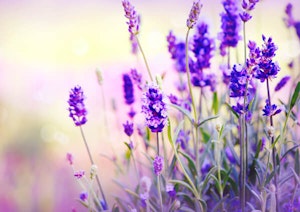
Lavender (Lavandula spp.)
Lavender's fragrant blooms are loved by bees and butterflies while its aromatic foliage may help discourage mosquitoes, moths, and flies. It's a beautiful, drought-tolerant choice for Arizona landscapes.
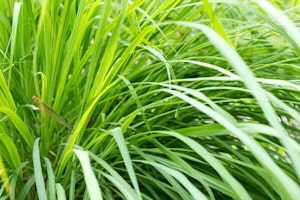
Lemongrass (Cymbopogon spp.)
Known for its fresh citrus fragrance, lemongrass contains citronella oil, which is commonly used in mosquito-repellent products. This attractive ornamental grass also adds height and texture to edible and ornamental gardens.

Lemon Verbena (Aloysia citrodora)
This wonderfully fragrant perennial herb produces lemon-scented foliage that may help discourage mosquitoes. Plant it near patios, walkways, or entryways where its refreshing fragrance can be enjoyed.
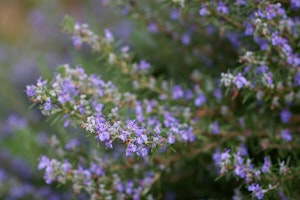
Rosemary (Salvia rosmarinus)
Rosemary's aromatic foliage may help discourage mosquitoes and certain garden pests while attracting beneficial pollinators when in bloom. It's an excellent choice for herb gardens, containers, and water-wise landscapes.
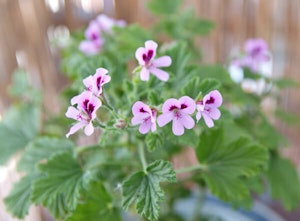
Scented Geraniums (Pelargonium spp.)
Available in fragrances such as citrus, rose, mint, and coconut, scented geraniums add wonderful fragrance to patios and containers. Citrus-scented varieties are especially popular around outdoor seating areas.
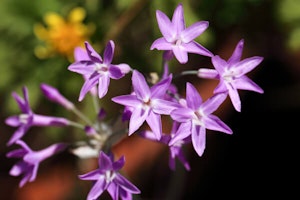
Society Garlic (Tulbaghia violacea)
Society Garlic's aromatic foliage may help discourage mosquitoes, rabbits, and deer while producing attractive lavender flowers that pollinators enjoy. It's an easy-care perennial well suited to Arizona gardens.
How to Get the Most from Fragrant Plants
 While these plants may help discourage mosquitoes and other pests, they're most effective when incorporated into an overall outdoor living space.
For best results:
- Place containers of basil, lavender, rosemary, scented geraniums, or lemon verbena near patios, porches, and outdoor dining areas.
- Plant fragrant herbs along walkways and entryways where their natural fragrance is released as people brush past.
- Harvest herbs like basil and rosemary regularly to enjoy their fresh flavor while encouraging healthy new growth.
- Combine several fragrant plant varieties to add beauty, seasonal interest, and a variety of scents throughout your garden.
- Eliminate standing water from containers, saucers, buckets, and other areas where mosquitoes can breed.
- Refresh birdbaths and water features frequently to help keep water clean and healthy for birds and pollinators.
Create a Garden That's Comfortable for People & Pollinators
 A welcoming garden is about more than beautiful plants. Shade trees, shrubs, pergolas, mulch, and drought-tolerant groundcovers can help create cooler microclimates where people, birds, butterflies, bees, and other beneficial insects can stay more comfortable during Arizona's hottest months.
Visit your local SummerWinds Nursery for fragrant herbs, flowering plants, native plants, organic gardening products, birding supplies, and expert advice on creating a beautiful, wildlife-friendly outdoor space.
Good to Know
Fragrant plants can be a helpful addition to your garden, but they aren't a substitute for proper pest management. Results vary depending on the pest, plant placement, weather conditions, and other factors. For the best results, combine these plants with good garden maintenance, elimination of standing water, and other integrated pest management practices.