Be Inspired Blog - Arizona
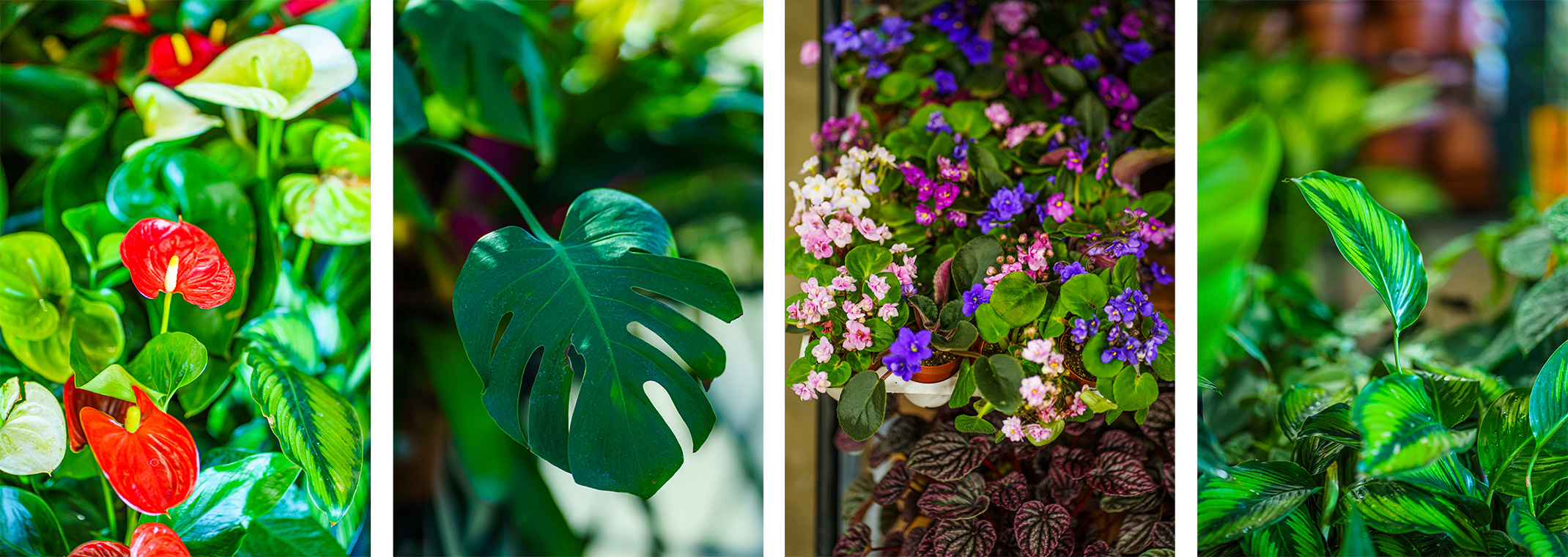
5 Tips For Healthy Houseplants In Winter
Even though winters in the greater Phoenix area are mild, shorter days, cooler desert nights, dry indoor air, and mineral-rich water can affect indoor plants. With a few simple adjustments, you can keep your houseplants healthy and thriving all winter long.
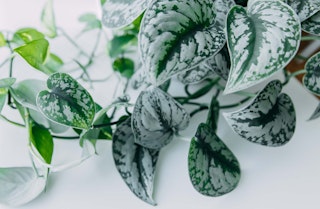
1. Maintain Consistent Indoor Temperatures
Most houseplants prefer temperatures between 65º and 75º F.
In the Phoenix metro area, outdoor temperatures can drop into the 40s at night, which can chill plants placed too close to windows. At the same time, heating vents can dry foliage quickly.
- Keep plants slightly away from cold glass at night
- Avoid drafty doorways and patio entrances
- Do not place plants directly over heating vents
Consistency prevents stress and leaf drop.
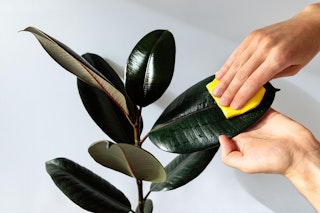
2. Keep Leaves Clean
Dust builds up quickly indoors, especially during winter when windows stay closed more often. A layer of dust blocks light and can make plants more susceptible to pests.
- Wipe leaves gently with a damp cloth
- Rinse sturdy plants in lukewarm water
- Support large leaves from underneath while cleaning
If desired, you may apply a leaf shine product after removing dust. Spray onto the top of the leaf (only) and wipe away any excess. Avoid using leaf shine on plants with fuzzy foliage, such as African violets.
Products like Green Glo Plant Polish or Bonide Leaf Shine & Moisture Guard can help enhance appearance while protecting foliage.
Clean leaves absorb light more efficiently and support overall plant health.
3. Adjust Your Watering Routine
In winter, most houseplants grow more slowly and use less water.
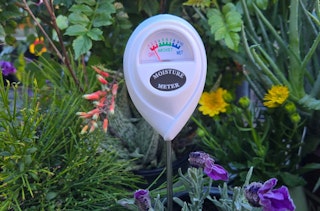
- Use a moisture meter to determine how dry the soil is
- Water thoroughly until it drains from the bottom
- Discard excess water after 15–20 minutes
- Allow the top inch of soil to dry before watering again
Avoid letting pots sit in standing water, which can damage roots.
Important for Arizona Homes:
Arizona tap water contains dissolved mineral salts that can build up in potting soil over time. If you notice white crust forming on the soil surface or around the pot rim, periodically flush the soil with distilled or filtered water to reduce buildup.
4. Provide Adequate Light
Shorter days mean less natural light.
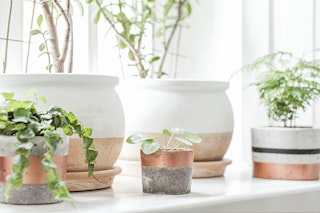
Move plants closer to bright windows, but monitor for sun stress. Even in winter, south- and west-facing windows in Arizona can deliver intense afternoon sun.
- Use sheer curtains if leaves fade or scorch
- Rotate plants a quarter turn weekly for even growth
Proper light helps prevent weak, leggy growth.
5. Fertilize Appropriately
Although growth slows during winter, many houseplants in Phoenix homes continue growing and benefit from light feeding.
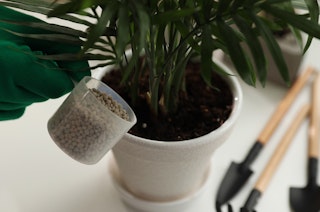
A slow-release fertilizer, such as Osmocote Smart-Release Plant Food Plus Outdoor & Indoor (15-9-12), provides consistent nutrition over several months. Nutrients are released gradually based on soil temperature and moisture, helping prevent overfeeding.
If you prefer a liquid option, products like Espoma Organic Indoor! Houseplant Food offer a gentle, organic source of nutrients. Organic fertilizers release nutrients more gradually as soil microbes break them down, making them well-suited for indoor use.
When using any liquid fertilizer, follow label directions and apply only to moist soil to reduce the risk of root burn. During winter, plants typically require less frequent feeding as growth naturally slows.
Common Winter Houseplant Issues in the Valley
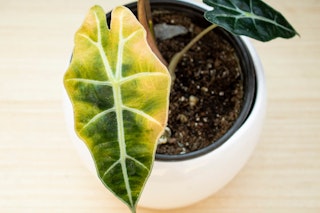
- Brown leaf tips – Often caused by low indoor humidity or salt buildup
- Fungus gnats – Usually a sign of overwatering
- Leaf drop – Often related to temperature changes or drafts
Most winter problems are easily corrected with small adjustments to watering, light, or placement.
Questions? Stop by your local SummerWinds Nursery today and speak with one of our Trusted Garden Advisors.