Create A Hummingbird Habitat
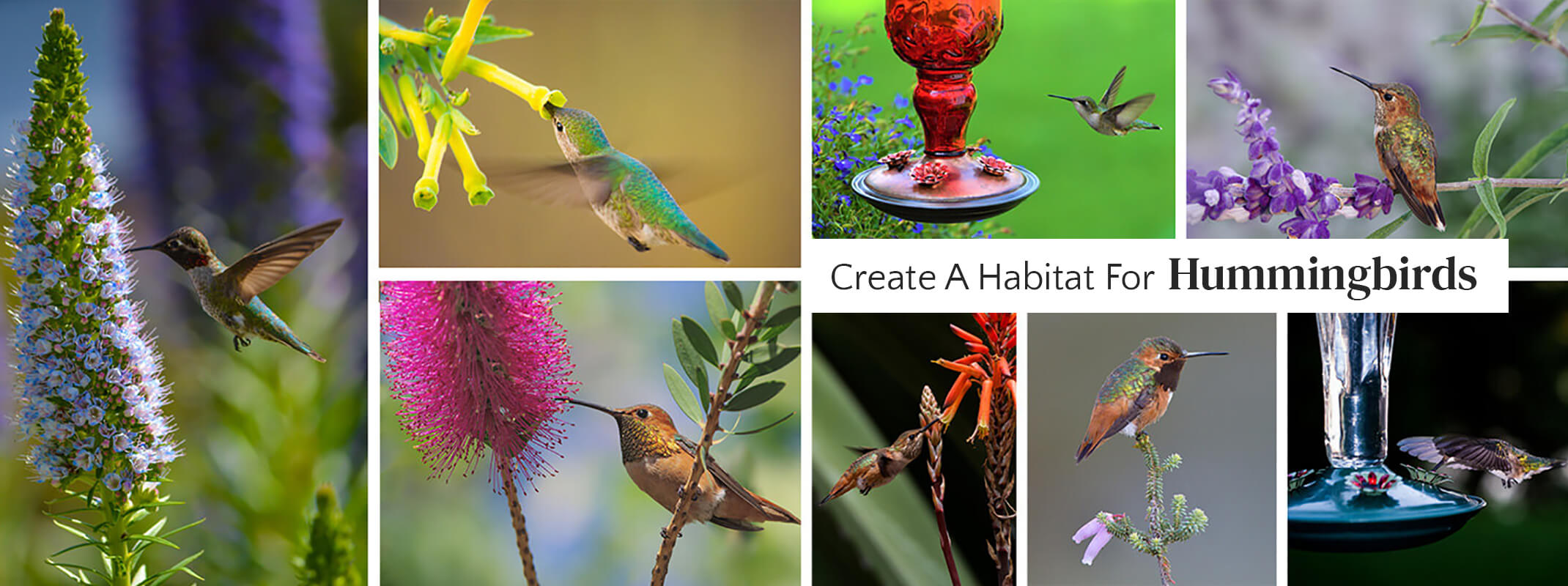
Hummingbirds are tiny, high-energy marvels that bring motion, color, and a little magic to your backyard. With a few simple additions, you can turn your outdoor space into a welcoming hummingbird habitat—and enjoy the show all season long.
Why Welcome Hummingbirds?
Busy Little Pollinators: Their long beaks allow them to reach flowers that many other pollinators cannot, helping move pollen from bloom to bloom.
Tiny Bug Patrol: Hummingbirds also eat small insects, including gnats and aphids, which provide an important source of protein.
Fueling the Hustle: Hummingbirds feed frequently throughout the day and depend on reliable sources of nectar, insects, water, shelter, and places to rest.
How to Create a Hummingbird Habitat
1. Hang Up Feeders
Feeders provide a helpful supplemental source of nectar, especially when fewer flowers are blooming.
- Choose feeders with red accents to help catch their attention.
- Place multiple feeders in separate areas to help reduce territorial squabbles.
- Hang feeders in partial shade to help keep the nectar fresh.
- Place them where you can easily reach them for regular cleaning and refilling.
2. Make Simple, Safe Nectar
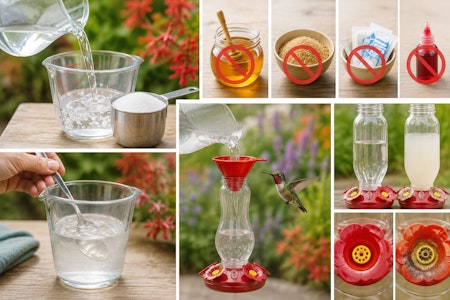
Nectar Recipe: Mix four parts water with one part plain white granulated sugar. Stir until the sugar is completely dissolved and allow the mixture to cool before filling your feeder.
- Do not use honey, raw sugar, artificial sweeteners, or red dye.
- Make only as much nectar as you can use while it is fresh.
- Replace nectar sooner if it becomes cloudy or shows signs of mold.
3. Keep Feeders Clean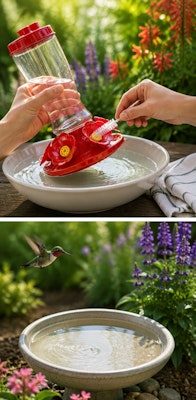
Clean feeders help protect hummingbirds from mold and bacteria. During warmer weather, nectar may need to be replaced every two to three days. In cooler conditions, it may remain fresh a little longer.
Wash the feeder thoroughly each time you refill it, paying close attention to flower ports and other small openings. Rinse well before adding fresh nectar.
4. Provide Fresh Water
Hummingbirds need water for drinking and bathing, but they often prefer shallow, gently moving water rather than a deep birdbath.
- Keep birdbaths clean and filled with fresh water.
- Add stones or a shallow edge where small birds can safely land.
- Consider a mister, dripper, or small fountain to create the movement hummingbirds enjoy.
- Refresh the water regularly, especially during hot weather.
5. Give Them a Place to Rest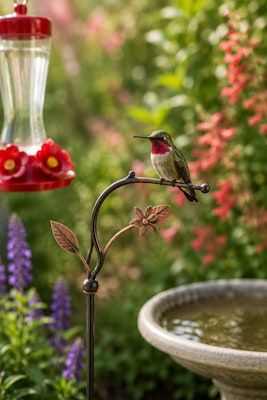
Hummingbirds spend much of the day darting between flowers and feeders, but they also need places to pause, conserve energy, preen their feathers, and watch over their territory.
Small exposed branches, shrubs, trellises, or decorative hummingbird perches placed near feeding areas can provide convenient resting spots—and may give you a better opportunity to observe these fascinating birds up close.
6. Plant a Hummingbird Buffet
Plants are the foundation of a healthy hummingbird habitat. Nectar-rich flowers with tubular or trumpet-shaped blooms make it easier for hummingbirds to feed.
They are especially drawn to blooms in shades of red, coral, orange, hot pink, and purple. Include a variety of plants that bloom during different parts of the year to provide nectar from spring through fall.
See Our Recommended Hummingbird Plants
7. Create Shelter
Trees, shrubs, vines, and layered plantings provide protection from weather and predators. They also offer places for hummingbirds to perch, nest, and search for the tiny insects that make up an important part of their diet.
Avoid making every part of the garden overly tidy. A combination of open feeding areas and sheltered planting creates a more complete habitat.
8. Avoid Pesticides
Hummingbirds rely on small insects for protein, particularly when feeding their young. Limiting pesticide use helps preserve this essential food source and supports a healthier garden ecosystem.
Upgrade Your Feeder Game with Nature’s Way
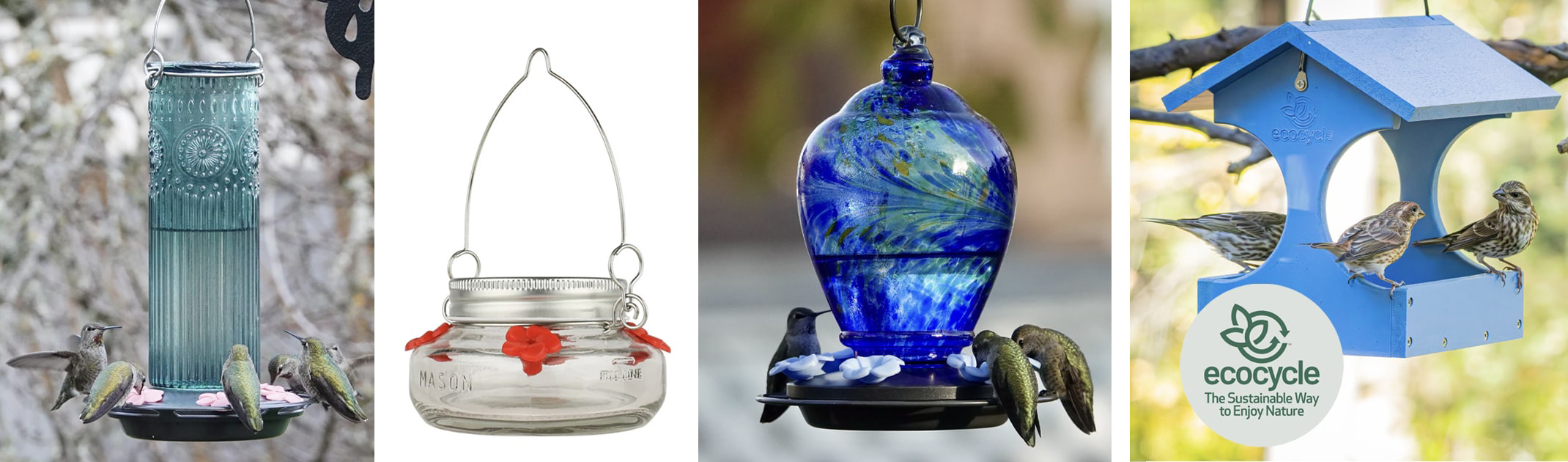
Add beauty and function to your outdoor space with these hummingbird-friendly feeder options from Nature’s Way:
EcoCycle Fly-Through Feeder: Made from recycled materials with an open design that is easy to access and clean.
Artisan Gravity Hummingbird Feeder: Features hand-blown glass, lifelike flower ports, and a 360-degree perch.
Mason Jar Hummingbird Feeder: Offers vintage-inspired style in a compact size that works well for patios and smaller outdoor spaces.
Available in-store at SummerWinds Nursery.
✨ Available in-store at SummerWinds
🔗 Learn More About Nature’s Way Feeders
Keep Your Hummingbird Habitat Happy
- Replace nectar frequently and sooner during hot weather.
- Clean feeders thoroughly before every refill.
- Keep birdbaths and other water sources clean and fresh.
- Provide flowers that bloom throughout the season.
- Include shrubs, branches, or perches for resting and shelter.
- Avoid pesticides whenever possible.
Let’s Make Your Garden Hummingbird-Friendly
At SummerWinds Nursery, we’re here to help you create an outdoor space both you and your hummingbirds will love. Stop by for expert advice, hummingbird-friendly plants, feeders, and other supplies for building a welcoming backyard habitat.