Back to the Be Inspired Blog
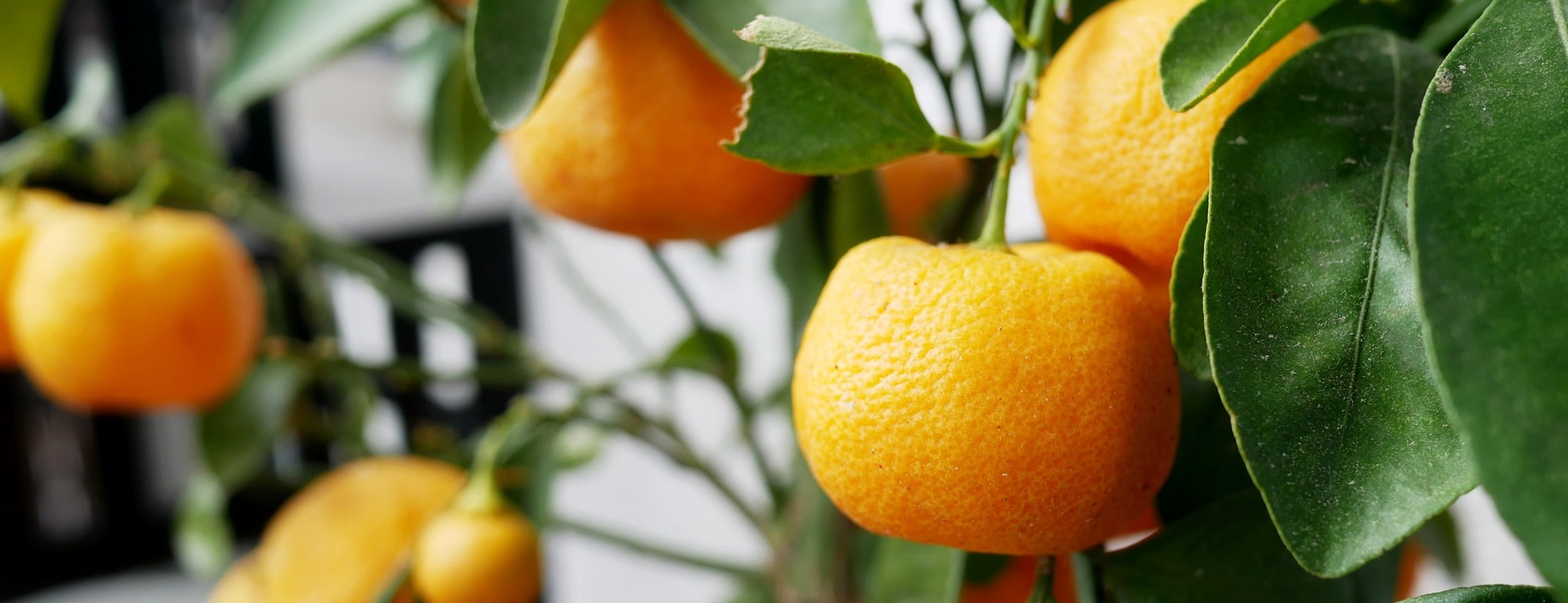
Citrus Tree Care & Problem Solving Guide for Bay Area Gardens
Easy Tips for Growing Citrus in the Bay Area
There’s nothing quite like stepping outside and picking a fresh lemon, lime, or mandarin from your own tree. Citrus trees thrive in the Bay Area’s mild climate and are one of the most rewarding fruit trees to grow at home.
Whether planted in the ground or grown in a container on a patio, citrus offers beauty, fragrance, and delicious fruit year after year.
If you’re thinking about growing citrus—or troubleshooting a tree you already have—this guide answers the most common questions we hear from our customers.
Why Grow Citrus?
Citrus trees are one of the most versatile and attractive plants you can add to your garden.
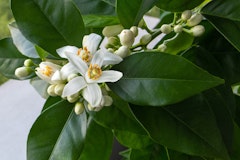
Evergreen structure
Citrus trees keep their glossy green leaves year-round, providing structure and color even in winter.
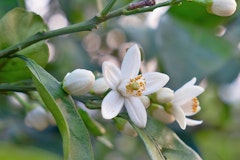
Fragrant spring flowers
The blossoms are incredibly aromatic and often perfume the entire garden when in bloom.
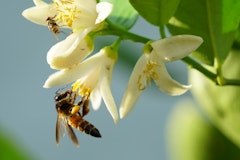
Pollinator friendly
Bees and other pollinators love citrus flowers, making them a great addition to pollinator-friendly gardens.
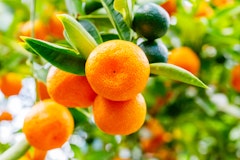
Beautiful and productive
With shiny foliage, fragrant flowers, and colorful fruit, citrus trees provide interest in every season.
Still need a little citrus inspiration? Discover even more reasons to add citrus to your garden. Reasons to Grow Citrus
Citrus Sizing & Containers
One of the biggest citrus myths is the idea that ultra-dwarf citrus trees exist. Many people ask about them, but the reality is that ultra-dwarf citrus doesn’t really exist—what actually keeps citrus trees small is how they are grown and maintained, not the label on the plant.
Semi-dwarf citrus
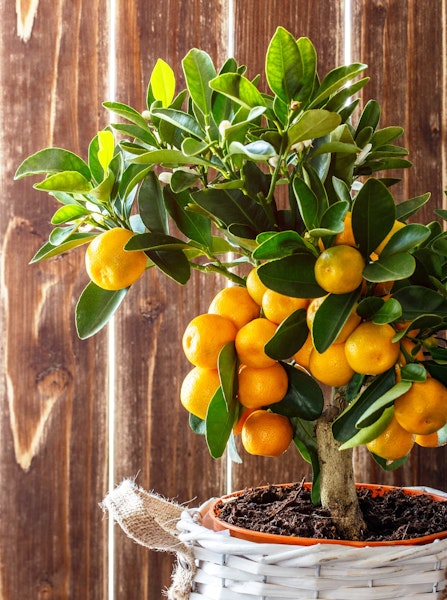
Most citrus trees available for home gardens are semi-dwarf, which means they naturally grow smaller than standard orchard trees.
These are perfect for:
- Small yards
- Patio containers
- Courtyards
- Urban gardens
Growing citrus in containers
Container growing is extremely popular in the Bay Area. When grown in pots, citrus stays naturally smaller and is easy to manage.
Tips for success:
- Choose a large container with good drainage
- Use high-quality potting soil
- Feed regularly with a citrus fertilizer
- Prune lightly to maintain size and shape
The container you choose actually plays a major role in controlling the final size of the tree.
While there are many types of citrus available, these three are the most popular and easiest for home gardeners.
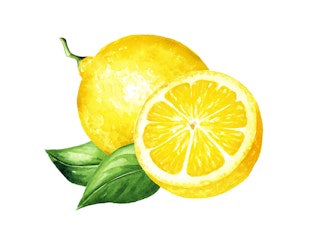
Lemons
One of the most reliable citrus trees in the Bay Area.
Popular varieties include:
- Meyer Lemon
- Eureka Lemon
- Lisbon Lemon
Great for cooking, drinks, baking, and everyday use.
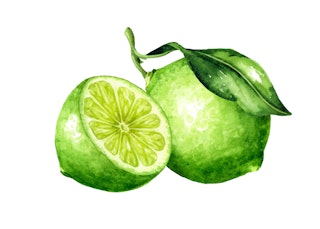
Limes
Limes grow well in warm, sunny locations and are perfect for containers.
Popular varieties include:
- Mexican Lime
- Bearss Lime
Perfect for cocktails, cooking, and fresh flavor.
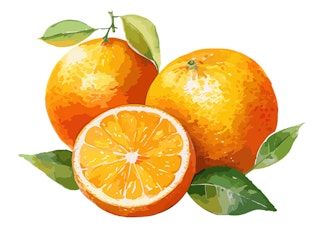
Mandarins
Mandarins are a favorite for their sweet flavor and easy-to-peel fruit.
Popular varieties include:
- Satsuma
- Gold Nugget
- Murcott
These trees are also excellent for smaller spaces.
Find the perfect citrus tree for your garden. View Citrus Selection
Citrus Problem Solving
The most common citrus questions we hear
Growing citrus is relatively easy, but occasionally gardeners run into a few challenges. Here are some quick solutions to the most common problems.
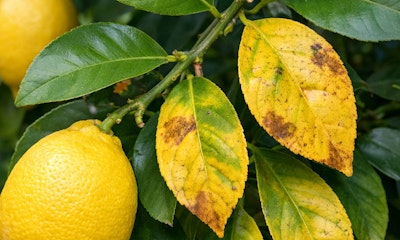
Leaves are yellowing
This is often a sign of nutrient deficiency, especially nitrogen or iron.
💡Solution:
- Apply a citrus-specific fertilizer
- Feed regularly during the growing season
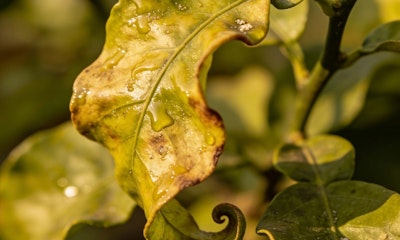
Leaves are curling or sticky
This may indicate aphids or scale insects.
💡Solution:
- Inspect the undersides of leaves
- Treat with horticultural oil or insecticidal soap
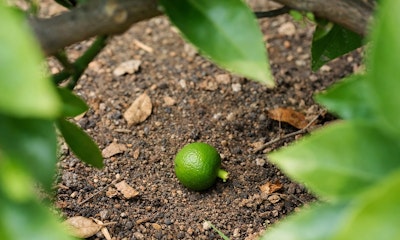
Fruit is dropping early
Young citrus trees often drop fruit when they are still establishing due to water stress or sudden temperature siwnds
💡Solution:
- Maintain consistent watering
- Avoid heavy pruning while fruit is forming
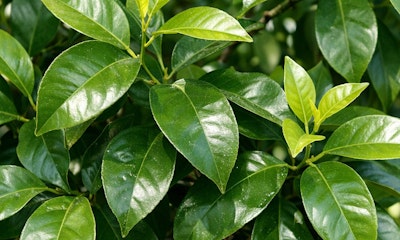
Lots of leaves but no fruit
Young citrus trees often drop fruit when they are still establishing due to water stress or sudden temperature siwnds
💡Solution as citrus tree require:
- Full sun (6–8 hours daily)
- Regular feeding
- Time to mature
Young trees may take a few seasons before producing heavily.
Have more citrus questions? Our Citrus Care Guide covers feeding, pruning, pests, and common citrus challenges. Citrus Care & Problem Solving
Visit Us for Citrus Success
At SummerWinds Nursery, we carry a wide selection of citrus trees along with the soils, fertilizers, and expert advice you need to grow them successfully.
Stop by and speak with one of our Trusted Garden Advisors—we’re always happy to help you choose the perfect citrus tree for your space.