Our Favorite Flowering California Natives
You don't need a large landscape to make room for native flowers. Start with a container on the patio, add color beside a path, or choose a shrub for a sunny border. Use this guide to find plants that fit your space, your sun exposure and the season when you'd like to see blooms.
Bay Area gardens vary from cool coastal sites to warm inland neighborhoods. Check each plant's needs before choosing a spot, especially if your garden gets strong afternoon sun.
Small Spaces & Containers
These plants can bring native color close to a patio, along a path or into a compact bed. Give spreading selections enough room, or use a container to keep the planting defined.
Seaside Daisy
Lavender-blue daisies with yellow centers brighten a border or container from spring into fall. In warmer inland gardens, protect it from intense afternoon sun.
- Size: About 1 ft. tall × 2–3 ft. wide
- Light: Coastal sun; afternoon shade inland
- Try it: Path edges and containers
Lewisia
Colorful flowers rise from compact rosettes, making Lewisia a natural choice for a trough, pot or rock garden. Excellent drainage is essential.
- Size: About 8–10 in. tall × 8–12 in. wide
- Light: Morning sun; afternoon shade inland
- Try it: Containers and rock gardens
Scarlet Coyote Mint
Low, mint-scented foliage carries red-orange tubular flowers that invite a closer look—and may bring hummingbirds to the garden.
- Size: About 3–6 in. tall × 8–18 in. wide
- Light: Sun near the coast; light afternoon shade inland
- Try it: Rock gardens, pots and path edges
Red Flowered Buckwheat
Rosy pink flower clusters hover above a tidy mound of dark green leaves. Its compact shape works well near a walkway or in a container.
- Size: About 1–2 ft. tall × 2–3 ft. wide
- Light: Sun to part shade; afternoon protection inland
- Try it: Borders, containers and rock gardens
De La Mina Verbena
Airy purple flowers and fine-textured foliage soften the edge of a patio or pathway. Give this mounding plant enough width to show off its shape.
- Size: About 1½–3 ft. tall × 3–4 ft. wide
- Light: Sun near the coast; part shade in hot inland spots
- Try it: Patio borders and large containers
Color for Warmer Gardens
A sunny inland garden offers possibilities, but sun needs differ from plant to plant. Some relish the heat; others look better with a break from the strongest afternoon rays.
Monkey Flower
Cheerful blooms in yellow, peach, orange or red add personality to a mixed border. Give it well-draining soil and light shade during hot inland afternoons.
- Size: About 2–4 ft. tall and wide
- Light: Coastal sun; light afternoon shade inland
- Blooms: Primarily spring through early fall
Coral Globe Mallow
Coral-pink flowers stand out against soft gray-green foliage. This shrub suits a hot, sunny spot where water drains freely.
- Size: About 3–4 ft. tall and wide
- Light: Full sun
- Try it: Dry borders and rock gardens
California Yarrow
Fern-like foliage and flat flower clusters bring a relaxed look to a border. The blooms also offer an easy landing place for bees and other beneficial insects.
- Size: About 1–3 ft. tall
- Light: Full sun for the strongest bloom
- Try it: Mixed borders and meadow-style plantings
Woolly Sunflower
Golden-yellow flowers glow above silvery foliage in a sunny garden. Plant it where its informal shape has space to settle in.
- Size: Varies by selection
- Light: Full sun to very light shade
- Try it: Sunny borders and slopes
Late-Season Blooms
Want color after the peak of spring? These three keep the garden interesting into late summer or fall, while offering flowers for visiting pollinators.
Marin Pink California Fuchsia
Soft salmon-pink tubular flowers rise above silvery foliage from late summer into fall. Hummingbirds are frequent visitors.
- Size: About 1–2 ft. tall × 3–4 ft. wide
- Light: Sun to light shade
- Try it: Path edges, low walls and wide containers
Purple Haze Aster
This low, spreading aster brings soft purple flowers from summer into fall. Use edging or give it an open space where it can spread.
- Size: About 6–12 in. tall; spreads 3–6 ft.
- Light: Sun to part shade; afternoon shade in hot spots
- Try it: Larger beds or contained borders
California Goldenrod
Golden flower clusters brighten late summer and fall, when a garden can use one more burst of color. Allow for its spreading habit.
- Size: About 1–5 ft. tall, depending on conditions
- Light: Sun to part shade
- Try it: Wildlife borders with room to spread
Plants That Need Room to Grow
These make a stronger statement, but they need more than a narrow planting strip. Check their mature size before giving them a permanent home.
Chaparral Mallow
Wands of pale pink to lavender flowers give this fast-growing shrub an airy, informal look. Place it toward the back of a large border or along a property edge.
- Size: Can reach 3–16 ft. tall and up to 10 ft. wide
- Light: Full sun
- Try it: Large borders and slopes
‘Allen Chickering’ Sage
Lavender-blue flower spikes rise above aromatic gray-green foliage in spring and summer. This substantial shrub makes a lovely backdrop for smaller native plants.
- Size: About 4–5 ft. tall and wide
- Light: Full sun
- Try it: Sunny borders with good drainage
Matilija Poppy
Large, crinkled white flowers with bright yellow centers make an unforgettable display. Its vigorous spread suits a dedicated slope or a generous garden area.
- Size: About 6–8 ft. tall; spreads widely
- Light: Full sun
- Try it: Large, well-drained spaces
Find Your Starting Point
Choose a plant for the space you have now, then check its mature size, sunlight and drainage needs. Low-water plants still need watering while they become established. For more guidance, see our California Natives planting and care guide.
Plant selection varies by store and season. Visit your local SummerWinds to see what’s available and find a plant suited to your garden.
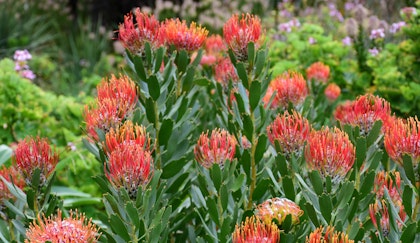
Discover the perfect additions to your Bay Area garden with our selection of Australian and South African native plants. These resilient and visually striking plants are well-suited to the Bay Area’s unique climate and soil conditions, making them ideal for both gardens and containers.
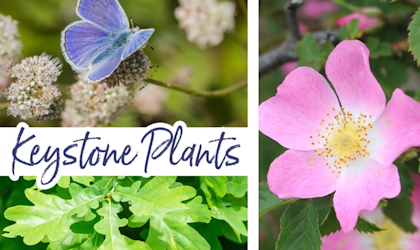
Keystone plants are vital for ecological landscapes, especially in the Bay Area gardens of California. They play a crucial role in supporting diverse species by hosting a significant number of butterflies and moths.