Seeds for Fall Gardens: Vegetables, Herbs & Flowers
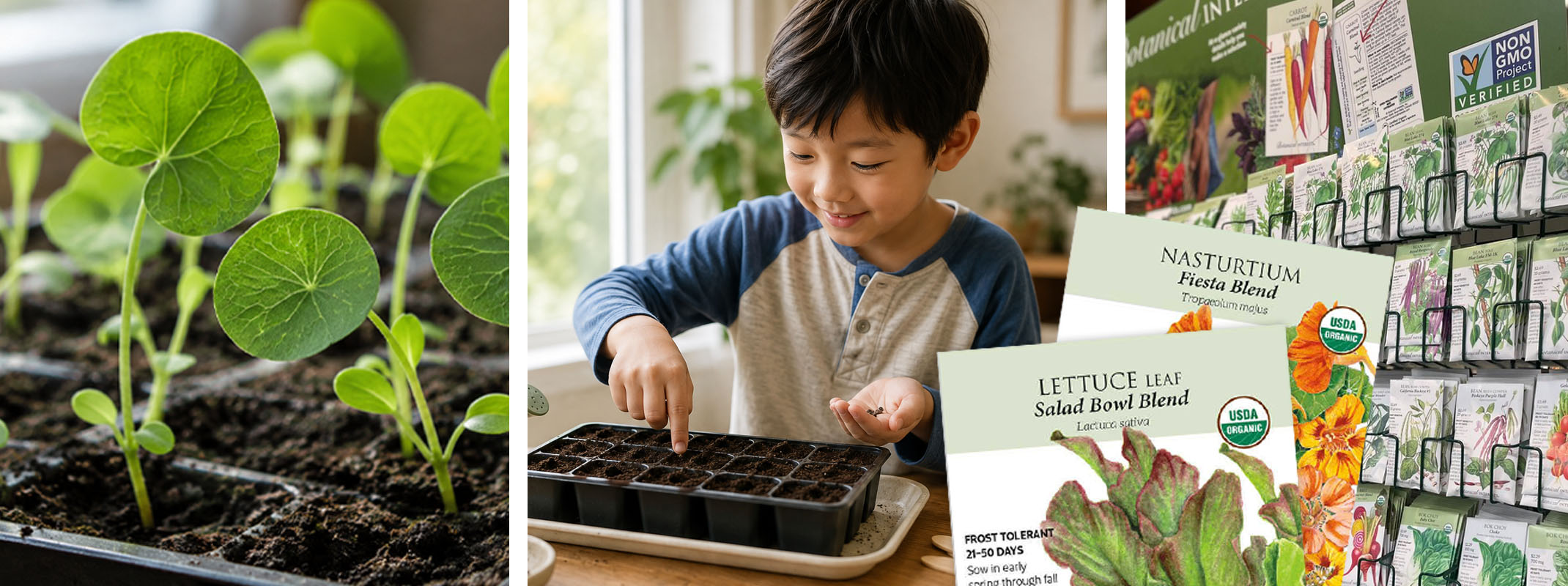 Grow something wonderful from seed! SummerWinds Nursery carries a wide selection of Botanical Interests® flower, vegetable and herb seeds for Bay Area gardens.
Whether you’re growing vegetables for the table, herbs for the kitchen or flowers for seasonal color, starting from seed offers an affordable and rewarding way to discover new varieties and grow more of the plants you love.
Selection may vary by location.
Botanical Interests® Seeds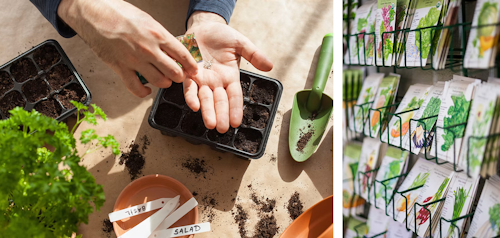
Botanical Interests seed packets combine high-quality seed with detailed growing information gardeners can use at every step. Explore varieties for vegetable gardens, herb gardens, pollinator gardens, cutting gardens, containers and more.
Visit your local SummerWinds Nursery to explore our current selection of Botanical Interests seeds.
Seeds to Start in August
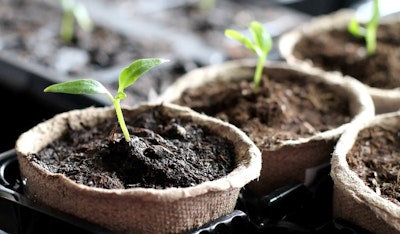
Late summer is an important seed-starting season in the Bay Area. Cool-season vegetables, herbs and flowers can get established while the soil is still warm, then grow and mature as temperatures begin to fall.
In warmer inland locations, protect newly sown seeds from intense afternoon sun and postpone outdoor sowing during a heat wave. Keep seed-starting mix or garden soil consistently moist while seeds germinate.
All of the seeds featured below are available through our selection of Botanical Interests Seeds. All Botanical Interests seeds are untreated and Non-GMO Project Verified. As you browse our in-store selection, look for heirloom and certified organic varieties.
Please Note: Selection of seeds may vary by location.
Watch: What to Sow Now
In this video, we share simple seed-starting tips, helpful supplies and some of our favorite vegetables, herbs and flowers to sow now. You’ll also discover unique Botanical Interests varieties that can bring something new to your fall and winter garden.
Fall and Winter Vegetables
Harvest times are approximate and vary by variety, weather and growing conditions. Always consult the individual seed packet for variety-specific planting depth, spacing and instructions.
| Vegetable | How to Start | When to Transplant | Approx. Time to Harvest | Helpful Tip |
|---|---|---|---|---|
| Chinese Broccoli | Direct sow or start in cells | About 3–4 weeks after sowing | 45–70 days | Harvest the young stems before the flowers fully open. |
| Broccoli Rabe | Direct sow | Transplanting is not normally necessary | 40–60 days | A fast-growing green valued for its leaves, buds and tender stems. |
| Cauliflower | Start in cells | About 5–7 weeks after sowing | 70–100 days from transplant | Consistent moisture supports proper head development. |
| Brussels Sprouts | Start in cells | About 5–7 weeks after sowing | 90–120 days from transplant | Start early because this vegetable needs a long, cool growing season. |
| Bok Choy & Baby Choy | Direct sow or start in cells | About 3–4 weeks after sowing | 30–55 days | Baby varieties mature quickly and work well in containers and small gardens. |
| Kale | Direct sow or start in cells | About 4 weeks after sowing | 25–35 days for baby leaves; 55–75 days for mature leaves | Harvest the outer leaves first to keep plants producing. |
| Arugula | Direct sow | Transplanting is not normally necessary | 20–40 days | Sow small amounts every few weeks for repeat harvests. |
| Spinach | Direct sow or start in cells | About 3–4 weeks after sowing | 30–50 days | Spinach germinates best in cooler soil. Inland gardeners may need to wait for temperatures to moderate. |
| Lettuce | Direct sow or start in cells | About 3–4 weeks after sowing | 30–60 days | When outdoor soil is hot, start seeds in a cool, bright location. |
| Peas | Direct sow | Transplanting is not normally recommended | 55-75 days | Provide a trellis at planting time and protect young plants from birds. |
| Parsnips | Direct sow | Do not transplant | 100-120 days | Germination can be slow. Keep the seedbed evenly moist and be patient. |
| Rutabagas | Direct sow | Transplanting is not normally necessary | 80–100 days | Thin seedlings promptly to give developing roots adequate room. |
| Turnips | Direct sow | Transplanting is not normally necessary | 35–60 days | Both the roots and leafy tops are edible. |
| Kohlrabi | Direct sow or start in cells | About 4–6 weeks after sowing | 45–60 days | Harvest while the swollen stem is young and tender. |
| Florence Fennel | Direct sow or start in cells | About 4–6 weeks after sowing | 80–100 days | Avoid disturbing the roots and provide consistent moisture. |
Cool-Season Herbs
| Herb | How to Start | When to Transplant | Approx. Time to Harvest | Helpful Tip |
|---|---|---|---|---|
| Chervil | Direct sow | Transplanting is not normally necessary | 45–60 days | Chervil prefers cooler weather and protection from intense afternoon sun. |
| Chives | Direct sow or start in cells | About 6–8 weeks after sowing | 80–90 days | This perennial herb can continue producing for years. |
| Cilantro | Direct sow | Transplanting is not normally recommended | 40–60 days for leaves | Sow every 2–3 weeks for an extended harvest. Cooler weather helps slow bolting. |
| Leeks | Start in cells | About 8–10 weeks after sowing | 100–150 days | Transplant deeply or hill soil around the stems to produce longer white portions. |
| Watercress | Start in containers or consistently moist soil | About 4–6 weeks after sowing | 40–60 days | Watercress needs dependable moisture but should not be grown in unsafe or stagnant water. |
Flowers to Start from Seed in August
Cool-season flowers can be started in August for fall, winter or early-spring color. In hot inland locations, begin seeds in a bright, protected area and transplant after temperatures moderate.
| Flower | How to Start | When to Transplant | Approx. Time to Harvest | Helpful Tip |
|---|---|---|---|---|
| Stock | Start in cells | About 5–7 weeks after sowing | Approximately 12–16 weeks | Stock prefers cool conditions and is prized for its fragrant flower spikes. |
| Violas | Start in cells | About 6–8 weeks after sowing | Approximately 12–16 weeks | Keep the seed-starting mix cool and evenly moist during germination. |
| Pansies | Start in cells | About 6–8 weeks after sowing | Approximately 12–16 weeks | Protect seed trays from August heat; pansies germinate better in cooler conditions. |
| Calendula | Direct sow or start in cells | About 3–4 weeks after sowing | Approximately 50–60 days | Deadhead regularly to encourage additional flowers. |
| Nasturtiums | Direct sow | Transplanting is not preferred | Approximately 50–70 days | Avoid overly rich soil, which can produce more leaves than flowers. |
| Scarlet Flax | Direct sow | Transplanting is not normally recommended | Approximately 60–90 days | Sow where it will grow and provide well-draining soil. |
| Forget-me-nots | Direct sow or start in cells | About 4–6 weeks after sowing | Usually the following late winter or spring | Forget-me-nots are often grown as cool-season biennials and may reseed in favorable locations. |
| Snapdragons | Start in cells | About 6–8 weeks after sowing | Approximately 100–120 days | Press the tiny seeds onto the surface of the mix; light helps them germinate. |
 New to Starting Seeds Indoors?
Starting seeds indoors can protect young plants from harsh weather and give slower-growing varieties time to develop before transplanting. Our step-by-step guide covers containers, seed-starting mix, lighting, watering, thinning and hardening off.
Learn How to Successfully Start Seeds Indoors
Seed-Starting Essentials
Find the supplies you need to give seeds a strong start. Product selection may vary by location.
 Seed-Starting Mix
A lightweight seed-starting mix provides the moisture retention and drainage young seedlings need. Unlike ordinary garden soil, it is formulated for use in trays, cells and small pots.
E.B. Stone Organics Seed Starter Potting Soil is a lightweight mix formulated for starting seeds and rooting cuttings.
Trays, Cells and Pots
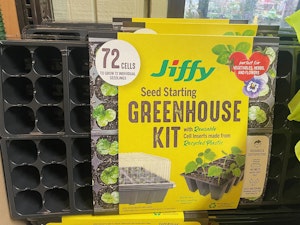
Keep seedlings organized with seed trays, cell inserts, biodegradable pots and covered greenhouse kits.
Available options may include: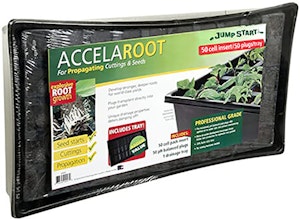
- AccelaRoot propagation plugs and cell inserts
- Float grow trays
- Covered greenhouse kits
- Jiffy-Strips biodegradable seed-starting cells
- Jiffy-Pots
Grow Lights
Strong light helps seedlings develop compact growth and sturdy stems. Grow lights are especially helpful when natural indoor light is limited.
Watering and Planting Tools
A mister or watering can with a gentle stream helps moisten seeds without washing them out of place. Plant labels, garden gloves and a hand trowel make sowing and transplanting easier.
Seedling Heat Mats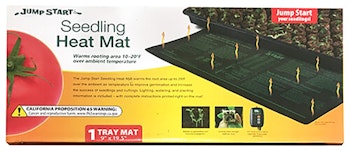
Heat mats can improve germination for warmth-loving seeds. Because many cool-season vegetables and flowers prefer lower germination temperatures, always follow the temperature guidance on the individual seed packet.
Ready to Get Growing?
Visit your local SummerWinds Nursery to explore our selection of Botanical Interests seeds and seed-starting supplies. Our knowledgeable associates can help you select seeds and supplies suited to your garden, growing space and Bay Area microclimate.
Find Your Local SummerWinds Nursery
For more detailed planting instructions, visit our complete indoor seed-starting guide.