Back to the Be Inspired Blog
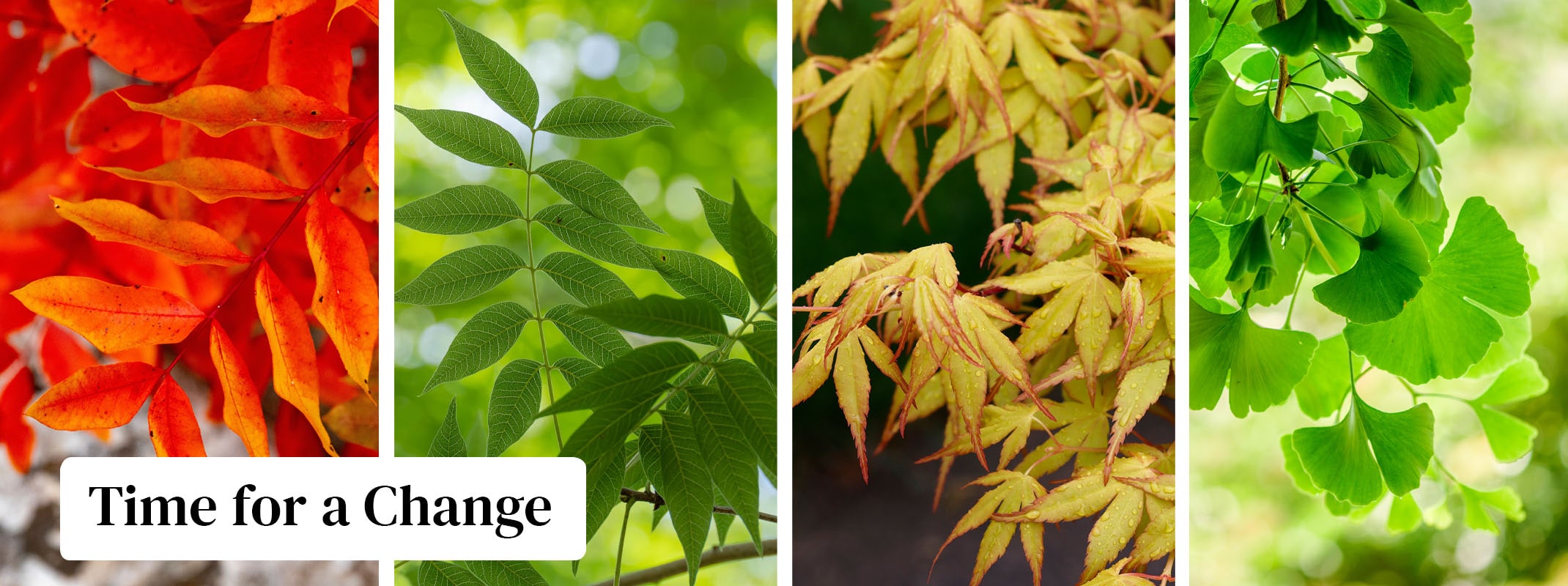
One Tree Can Change Everything
More shade, beautiful color, and a garden you'll love spending time in.
Take a look around your garden. Is there a sunny corner you rarely use? A front yard that could use a little personality? Maybe a patio that feels a bit exposed, or a landscape that's missing something you can't quite put your finger on.
Sometimes, all it takes is one tree.
A thoughtfully chosen tree can change how a garden looks, feels, and functions. Add a few complementary shrubs, and suddenly that ordinary space becomes something special.
And with fall being one of the best times to plant trees and shrubs in the Bay Area, there's no better time to start imagining the possibilities!
1. Turn a Sunny Backyard into a Shady Retreat
A beautiful shade tree does more than provide relief from the summer sun. It can make a backyard feel more inviting, create a natural gathering place, and bring height and character to an otherwise open landscape.
Imagine a leafy canopy casting dappled shadows across the lawn or a comfortable seating area where you can enjoy a warm afternoon.
Trees to consider:
Chinese Pistache (Pistacia chinensis)
A wonderful choice when you have room for a spreading canopy. Its green summer foliage provides welcome shade, then transforms into brilliant shades of red, orange, and gold in fall. It thrives in sunny locations and handles heat well once established.
Coast Live Oak (Quercus agrifolia)
For larger landscapes, this California native offers year-round evergreen shade and a beautiful, naturally spreading form. Its twisting branches and dense foliage bring a timeless quality to the garden while supporting local wildlife.
Make it even better: Instead of planting shrubs directly beneath the tree, where root competition and shade can make growing conditions challenging, create a planting bed nearby. Low-growing shrubs can soften the transition between the tree and the rest of the landscape.
Something to consider: Think about where the sun travels throughout the day. Positioning a deciduous tree to shade a west-facing patio can provide welcome afternoon relief in summer while allowing more sunlight through after the leaves fall.
2. Give a Small Garden a Big Personality
You don't need a sprawling yard to enjoy the beauty of a tree.
In fact, smaller gardens often benefit the most from one well-chosen specimen. A tree with interesting foliage, graceful branching, or seasonal color can become the focal point that brings the entire space together.
Trees to consider:
Japanese Maple (Acer palmatum)
With delicate leaves, graceful branches, and spectacular seasonal color, Japanese Maples are beautiful additions to courtyards, patios, and smaller gardens. Some varieties grow upright, while others have a cascading, weeping form. Choose a variety suited to your available space and protect it from intense afternoon sun in warmer inland locations.
Crape Myrtle (Lagerstroemia)
Looking for a tree that offers more than one season of interest? Crape Myrtles deliver colorful summer flowers, attractive bark, and foliage that often turns warm shades of orange, red, or yellow in fall. Compact and smaller-growing varieties work particularly well in modest landscapes.
Make it even better: Pair a Japanese Maple with low-growing evergreen shrubs that provide a consistent backdrop for its changing foliage. Deep green foliage can make red or golden leaves stand out beautifully.
Something to consider: In a small garden, the shape of a tree can be just as important as its size. An upright tree draws the eye upward, while a weeping variety creates a softer, more intimate feeling.
3. Give Your Front Yard a Little More Curb Appeal
Your front yard is the first impression of your home, and sometimes it needs more than flowers to feel complete.
A small ornamental tree can add height, soften architectural lines, and create a welcoming focal point. Pair it with shrubs of different heights and textures, and you'll have a landscape that looks thoughtfully designed without feeling overcrowded.
Trees to consider:
Western Redbud (Cercis occidentalis)
This California native offers beautiful magenta flowers in spring, attractive rounded leaves through summer, and golden-yellow foliage in fall. Its naturally sculptural branching adds character even when the leaves have dropped.
Japanese Maple (Acer palmatum)
A beautiful choice for a sheltered front garden, particularly near an entryway where its foliage and branching can be appreciated up close. Look for a variety that complements the scale and style of your home.
Make it even better: Try layering your landscape with a small tree as the focal point, medium-sized shrubs behind or beside it, and lower-growing plants along the front of the bed.
For example, the soft, delicate foliage of a Japanese Maple can look especially striking against the broad, glossy leaves of a Camellia.
Something to consider: Avoid planting a tree directly in front of a favorite window or too close to the house. Think about how the tree will look—and how much space it will occupy—five, ten, or even twenty years from now.
4. Add Color Without Relying on Flowers
Flowers are wonderful, but they're not the only way to bring color into a garden.
Trees and shrubs with colorful foliage can create a beautiful landscape even when nothing is blooming. And by combining plants with different leaf colors and textures, you can create interest that lasts well beyond a single season.
Trees to consider:
Ginkgo (Ginkgo biloba)
With distinctive fan-shaped leaves that turn brilliant golden yellow in fall, Ginkgo makes a spectacular specimen tree. Choose a male cultivar to avoid the messy, unpleasant-smelling fruit produced by female trees. Allow room for its mature size.
Japanese Maple (Acer palmatum)
Depending on the variety, Japanese Maples offer foliage in shades of green, burgundy, red, orange, and gold. Some provide rich color throughout the growing season, while others save their most dramatic display for fall.
Shrubs to bring the look together:
- Loropetalum: Deep burgundy foliage creates a beautiful contrast with green or golden leaves, adding rich color throughout much of the year.
- Oakleaf Hydrangea: Large, textured leaves often develop beautiful shades of red, burgundy, and bronze in fall. Its summer flowers and interesting bark provide additional seasonal appeal.
- Purple Hopseed Bush: With narrow, bronze-purple foliage and a naturally airy appearance, this shrub can provide contrast and structure in sunny landscapes.
Make it even better: Think about contrast rather than trying to match everything. A golden-leaved tree can look spectacular against dark burgundy shrubs, while a red Japanese Maple stands out beautifully among softer greens.
And don't forget texture! Combining fine, delicate leaves with larger, bolder foliage adds depth and makes a garden feel more interesting.
5. Make an Unfinished Landscape Feel Complete
Sometimes a garden has plenty of plants but still feels like something is missing.
Often, it's a matter of scale.
A landscape filled entirely with low-growing plants can feel flat, while one with only large trees may lack the layers that make a garden feel welcoming and complete.
The solution? Think in three levels:
Start with a Tree for Height
A tree provides the visual anchor. It might be a shade tree for a larger backyard or an ornamental tree for a smaller space.
Add Shrubs for Structure
Evergreen shrubs can provide year-round greenery, while deciduous varieties contribute seasonal color and interest.
Finish with Lower-Growing Plants
Groundcovers, perennials, and ornamental grasses can soften edges, fill open spaces, and add texture and movement.
You don't have to plant everything at once. Start with the tree, give it room to grow, and build the rest of the landscape around it.
Before You Choose, Ask Yourself These Four Questions
The right tree is one that looks beautiful and works for your space.
1. What Do I Want This Tree to Do?
Provide shade? Add privacy? Bring fall color? Create a focal point? Knowing your goal makes choosing much easier.
2. How Much Room Do I Really Have?
Consider the mature height and width, along with nearby buildings, walkways, utilities, and other plants.
3. How Much Sunlight Does the Location Receive?
A sunny backyard in Dublin may have very different growing conditions from a sheltered garden in Novato or Palo Alto. Choose plants suited to your garden's particular microclimate.
4. What Do I Want the Garden to Look Like Throughout the Year?
Deciduous trees offer changing foliage and allow more winter sunlight, while evergreens provide year-round greenery and screening. Both can be beautiful choices depending on your goals.
Why Fall Is a Great Time to Get Started
If one of these ideas has you looking at your garden a little differently, here's some good news: Fall is an ideal time to plant trees and shrubs in the Bay Area.
Cooler temperatures, relatively warm soil, and the approach of our winter rainy season give new plantings an opportunity to establish roots before the heat of next summer.
Want to learn more? Explore our Fall Is for Planting Guide for helpful planting tips and seasonal recommendations.
A Little Change Can Make a Big Difference
You don't have to redesign your entire landscape to make it more beautiful.
Maybe it's a Japanese Maple that brings brilliant fall color to your patio. A shade tree that makes your backyard more comfortable. Or a few well-placed shrubs that finally make your front garden feel complete.
Sometimes, the biggest transformation starts with just one plant.
Ready to find the right tree or shrubs for your garden?
Visit your neighborhood SummerWinds Nursery and explore the possibilities. Our Trusted Garden Advisors can help you select plants that complement your space, suit your growing conditions, and bring lasting beauty to your landscape.
One tree. A whole new perspective.
Plant selection and availability vary by location. Mature size, growth habits, and seasonal color depend on variety and local growing conditions.