Back to the Be Inspired Blog
A Plant with a Big Purpose : Growing Native Milkweed in the Bay Area
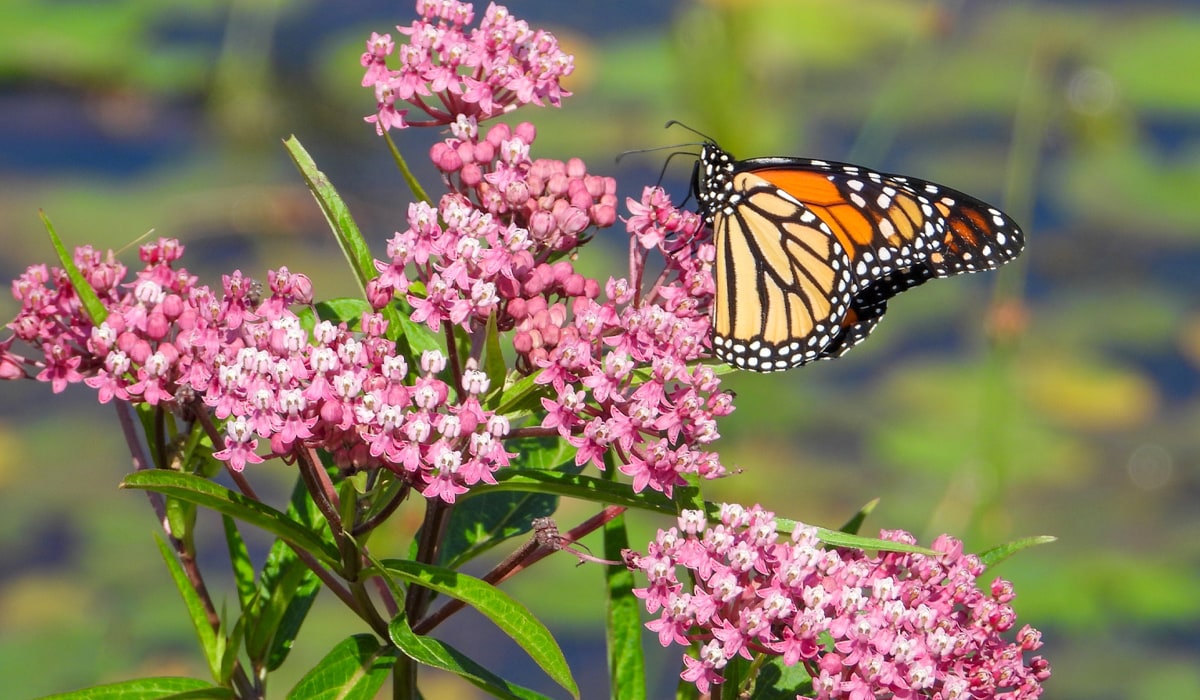
There’s something quietly special about seeing a monarch butterfly in your garden.
It’s not just the color or the movement—it’s the feeling that your space is part of something bigger—a passing moment in a much larger journey.
And one of the simplest ways to support that journey is by planting milkweed.
But in California, which milkweed you plant matters.
Start Here: Choosing the Right Milkweed
If you’re planting for monarchs in the Bay Area, the best choice is always native milkweed.
Look for:
- Narrowleaf milkweed (Asclepias fascicularis)
- Showy milkweed (Asclepias speciosa)
These species are naturally adapted to California and support monarchs in a way that aligns with their lifecycle.
You may also come across tropical milkweed (Asclepias curassavica), which is commonly sold because it’s easy to grow and stays green longer. While it can seem like a good option, it doesn’t behave the same way as our native species.
Native milkweed naturally dies back in winter and regrows in spring, following the seasonal rhythm monarchs have adapted to over time. Choosing native varieties helps keep that cycle intact and supports healthier habitat overall.
A good rule of thumb: when gardening for wildlife, local plants tend to be the most supportive choice.
Why Milkweed Matters
Milkweed plays a unique role in the life of a monarch butterfly.
It’s where monarchs lay their eggs, and it’s the only plant their caterpillars will eat. Because of that, adding milkweed to your garden helps create the next generation of butterflies.
It’s a simple addition, but one with a meaningful role.
A More Sustainable Way to Garden
More gardeners are starting to think beyond what looks good and toward what does good, too.
Native plants—like California’s milkweed species—fit naturally into this approach. They’ve adapted to our climate, which means they typically:
- Need less water once established
- Thrive without fertilizers
- Support local wildlife
It’s a small shift that can make gardening feel more connected and sustainable.
Creating a Garden That Feels Alive
Milkweed is a wonderful starting point, but it becomes even more impactful when it’s part of a diverse planting.
Pair it with other Bay Area-friendly plants to create a steady source of nectar and habitat:
- California poppy
- Yarrow
- Buckwheat
- Coyote mint
- Asters and goldenrod
These combinations bring movement, texture, and seasonal interest—while also supporting a wide range of pollinators.
Small Choices, Meaningful Impact
You don’t need a large space to make a difference.
A single planting area, a few thoughtfully chosen plants, or even a container can contribute to a more connected landscape.
Over time, you may notice more activity—bees, butterflies, and other beneficial insects finding their way in.
A Garden That Gives Back
At its core, planting native milkweed is about connection.
Connection to place.
Connection to seasonal rhythms.
Connection to the natural world just outside your door.
And in a region like the Bay Area, it’s a simple way to bring a bit of that balance back.
Final Thought
Gardens don’t have to be perfect to be purposeful.
By starting with the right milkweed and adding a few complementary plants, you’re creating a space that’s not only beautiful—but also supportive, resilient, and rooted in this place.