Back to the Be Inspired Blog
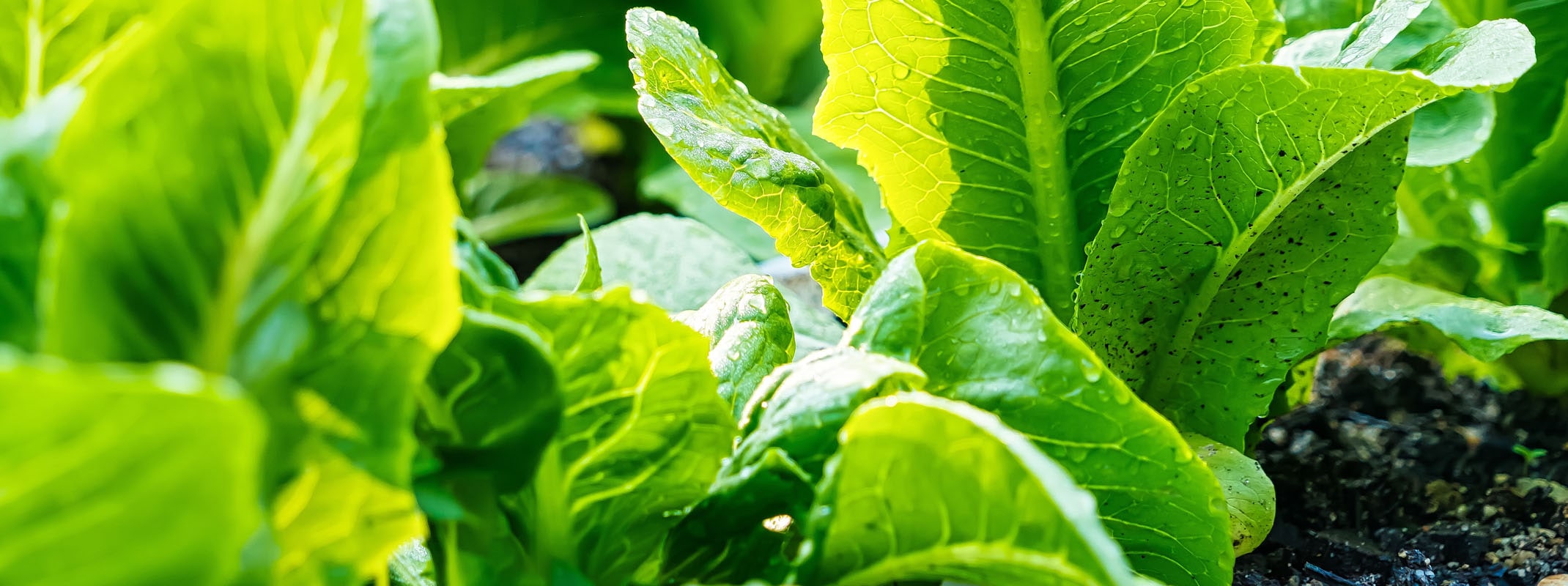
Grow a Cool-Season Vegetable Garden in the Bay Area
When summer begins to wind down, vegetable gardening in the Bay Area is far from over. In fact, cooler temperatures create ideal growing conditions for a whole new season of vegetables.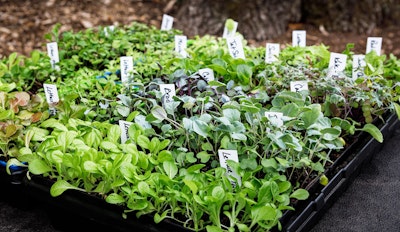
Cool-season vegetables are crops that grow best in the milder temperatures of fall, winter and early spring. Unlike warm-season favorites such as tomatoes, peppers, cucumbers and squash, these vegetables don’t need summer heat to thrive. Many actually prefer cooler growing conditions.
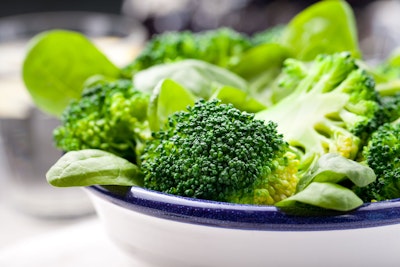
Leafy greens like lettuce, spinach and kale; vegetables such as broccoli, cauliflower and cabbage; and root crops including carrots, radishes, beets and turnips are all at home in a cool-season garden.
And because Bay Area winters are relatively mild, fall is an opportunity to plant now and enjoy homegrown vegetables throughout the months ahead.
New to cool-season vegetable gardening? Use this guide to get started:
- Find the Right Spot
- Start with Good Soil
- Garden Bed, Raised Bed or Container?
- Seeds or Young Plants?
- What Can I Plant Together?
- How Much Should I Water?
- What About Fertilizer?
- When Will I Be Able to Harvest?
- Harvest and Plant Again
 Find the Right Spot
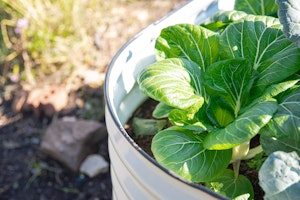
Choose a location that receives at least six hours of sunlight a day. Cool-season vegetables may prefer cooler temperatures, but they still need plenty of light to grow well.
You don’t need a large vegetable garden. Cool-season vegetables can be grown in an existing garden bed, a raised bed or containers.
Start with Good Soil
Good soil is one of the most important ingredients in a successful vegetable garden. Vegetables prefer soil that is fertile, loose and drains well.
If you’ve just removed summer vegetables, replenish the soil before planting by mixing in compost or an appropriate soil amendment.
Loose soil is especially important for root vegetables such as carrots, radishes, beets, parsnips, turnips and rutabagas. Rocks, hard clumps and compacted soil can prevent roots from developing properly.
 Garden Bed, Raised Bed or Container?
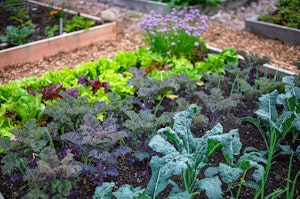
In the ground or a raised bed: Loosen compacted soil and incorporate compost or soil amendment before planting.
In containers: Use a quality potting mix made for containers rather than soil dug from your yard. Make sure the container has drainage holes and is large enough for what you’re growing.
Root vegetables such as carrots and parsnips need deeper soil to develop, while lettuce, spinach and many leafy greens can grow in shallower containers.
Seeds or Young Plants?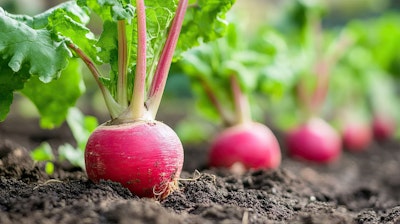
A cool-season garden can include seeds, young plants or a combination of both.
Young plants give you a head start and are an easy way to grow vegetables such as:
- Broccoli
- Brussels sprouts
- Cabbage
- Cauliflower
- Kale
- Lettuce
- Swiss chard
Some vegetable starts may contain several seedlings growing together. Depending on the vegetable, these can sometimes be gently separated and planted individually, giving each plant room to mature.
We recommend planting these directly from seed:
- Radishes
- Carrots
- Beets
- Parsnips
- Turnips
- Rutabagas
- Fava beans
Root vegetables are especially good candidates for direct sowing because transplanting can disturb the root you’re trying to grow.
Follow the planting depth and spacing recommendations on your seed packet.
 What Can I Plant Together?
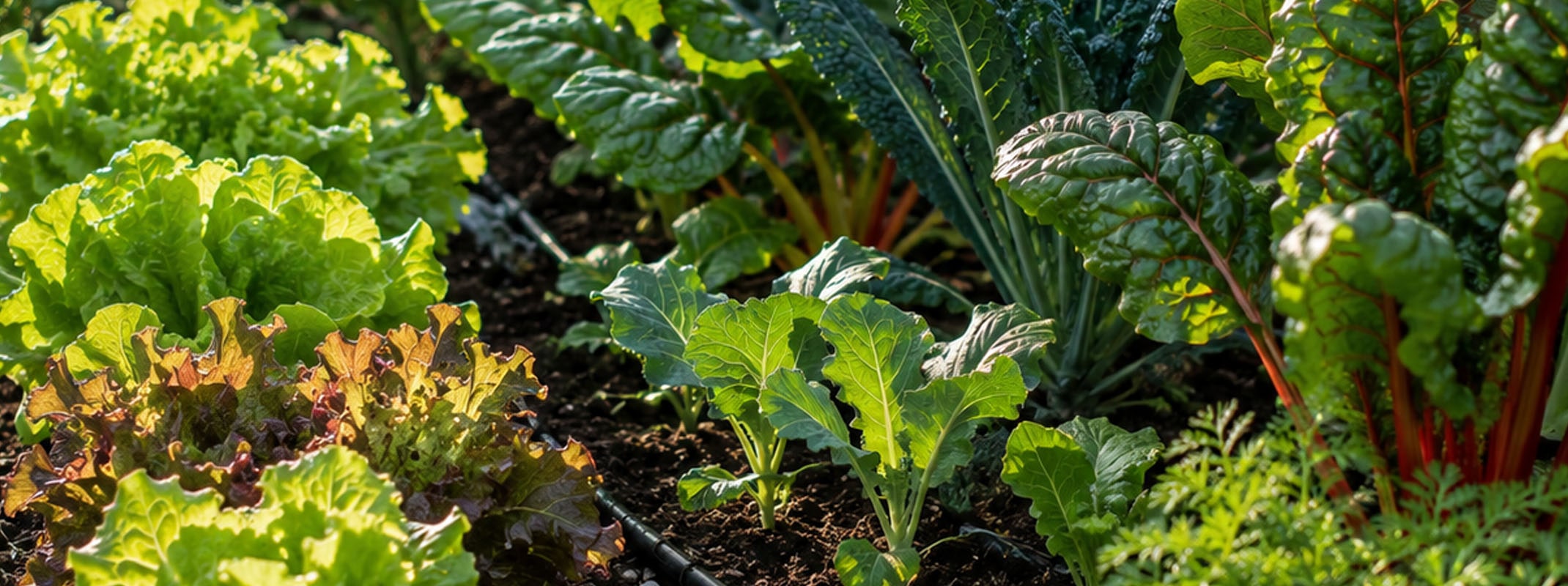
You don’t need everything in your vegetable garden to grow or mature at the same rate. In fact, combining vegetables with different growth habits can help you make better use of your space.
For example, you might plant broccoli, lettuce, carrots and radishes in the same garden.
Radishes grow relatively quickly and can be harvested while your other vegetables are still developing. Lettuce can be harvested as it grows. Carrots continue developing underground, while broccoli takes longer and needs more room above ground.
When combining vegetables, think about their mature size too. A small broccoli transplant will eventually become a much larger plant, while carrots use most of their space underground. Fava beans grow tall, so place them where they won’t eventually shade smaller vegetables.
Your plant tag or seed packet is your best guide for final spacing.
Don’t Forget to Thin Seedlings
When planting carrots, radishes, beets and other vegetables from seed, you may end up with seedlings growing very close together.
Thinning simply means removing some seedlings so the remaining plants have enough room to develop.
This is especially important for root vegetables. If several carrot seedlings grow almost on top of one another, they won’t have enough underground space to develop into full-sized carrots.
How Much Should I Water?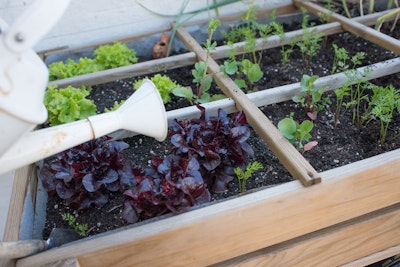
There isn’t one watering schedule that works for every vegetable garden. Temperature, rainfall, soil, sun exposure and whether you’re gardening in the ground or containers all affect how quickly the soil dries.
For newly planted seeds: Keep the upper layer of soil consistently moist while seeds germinate. Use a gentle spray so you don’t wash small seeds out of the soil.
For established vegetables: Check the soil with your finger. If it feels dry about an inch below the surface, it may be time to water.
The goal is evenly moist soil, not soil that stays constantly wet.
Containers generally dry out more quickly than garden beds, so check them more often. As temperatures cool and winter rains arrive, your garden will typically require less supplemental watering.
What About Fertilizer?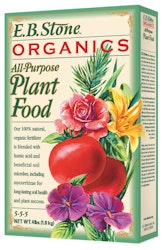
Vegetables need nutrients to grow, but more fertilizer doesn’t necessarily mean more vegetables.
Start with healthy soil amended with compost or an appropriate soil amendment. At planting time, use a fertilizer formulated for vegetables according to the directions on the package.
Leafy vegetables use nutrients to produce green growth, while root vegetables need balanced growth above and below ground. Too much nitrogen can encourage lots of leaves without necessarily producing the root crop you’re hoping for.
Container vegetables may need additional feeding during the season because nutrients can wash out as you water.
When Will I Be Able to Harvest?
Not everything in your garden will be ready at the same time—and that’s a good thing.
Your radishes may be ready while your carrots are still developing. You may already be harvesting lettuce while your broccoli continues to grow.
Instead of planting an entire packet of quick-growing seeds at once, try planting a smaller amount and then sowing another section a week or two later.
This is called succession planting. It helps spread out your harvest instead of having everything ready at once.
Because harvest times vary by vegetable and variety, check your seed packet or plant tag for an approximate number of days to maturity.
Harvest and Plant Again
When you harvest something, that space doesn’t have to remain empty.
Pulled your radishes? Plant another round. Finished a head of lettuce? Add another plant. Harvested your beets? Consider what you can grow in their place.
With the Bay Area’s mild climate, your cool-season garden can continue changing and producing throughout the season.
Start Small and Learn as You Grow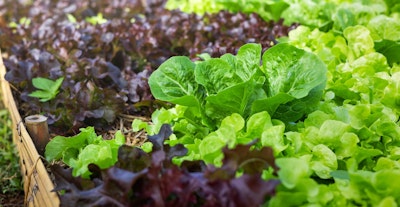
You don’t need to plant every cool-season vegetable to have a successful garden.
Choose a few vegetables you enjoy eating. Try a couple from seed and a couple from young plants. Pay attention to how much sun your garden receives, how quickly the soil dries and how your plants grow throughout the season.
Every garden teaches you something—and every harvest makes the next season a little easier.
Ready to plant? Visit your local SummerWinds Nursery and we’ll help you choose cool-season vegetable plants and seeds, find the right soil and fertilizer, and determine what you can grow together in the space you have.
Looking for ideas about what to plant? Explore our Cool-Season & Winter Vegetables for the Bay Area to discover more vegetables you can grow for fall and winter harvests.