Back to the Be Inspired Blog
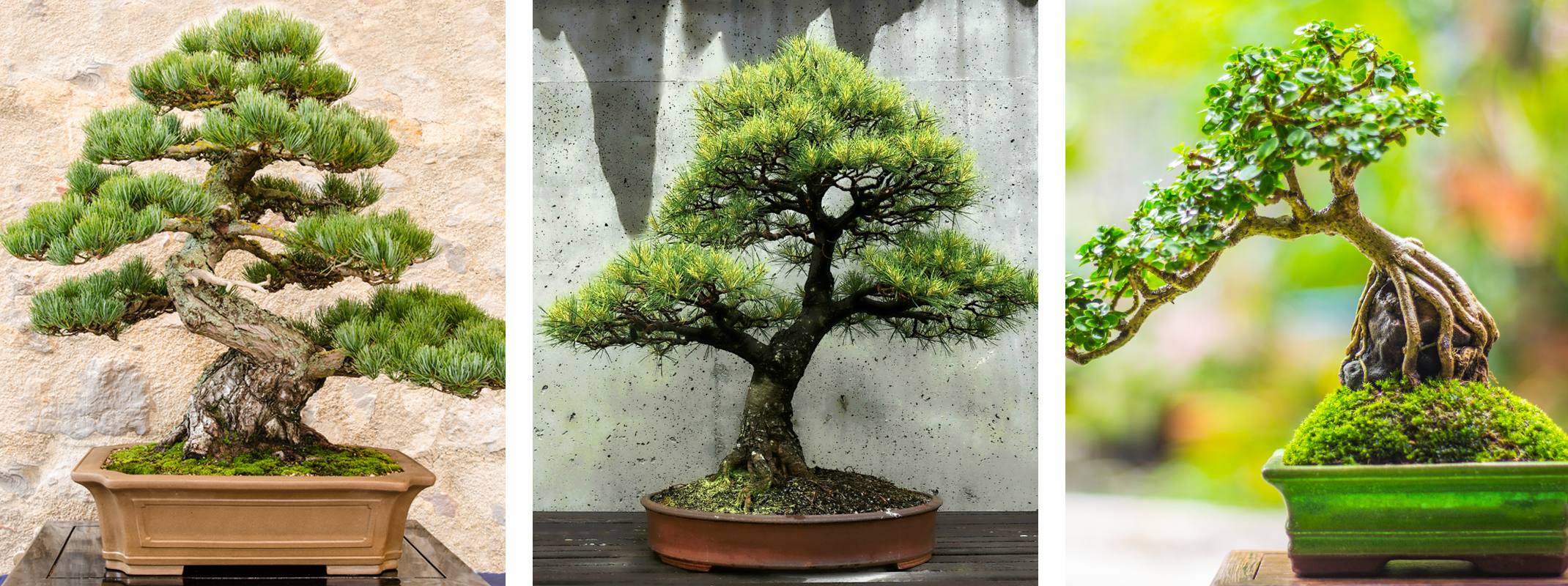
Discover the Timeless Art of Bonsai
Small Tree. Big Inspiration.
There is something captivating about a bonsai.
A centuries-old oak towering over a hillside can inspire awe—but somehow, so can a miniature tree growing in a shallow ceramic pot. Every curve of the trunk, carefully placed branch and exposed root tells a story of patience, creativity and the beauty of nature.
In the Bay Area, where life often moves at Silicon Valley speed, bonsai offers something surprisingly refreshing: a reason to slow down.
More than simply growing a tree, bonsai is a relaxing and creative practice that encourages mindfulness, rewards patience and creates a lasting connection with nature. It can be enjoyed in a spacious garden, on a small patio or even from an apartment balcony.
Whether you are discovering bonsai for the first time or adding another exceptional tree to your collection, SummerWinds Nursery has the plants, pottery, tools and supplies to help you enjoy this timeless living art.
Why People Love Bonsai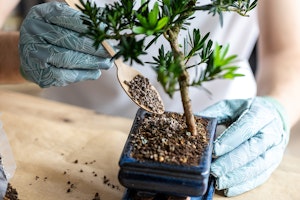
Bonsai has captivated people for centuries because it offers something few other hobbies can: the opportunity to nurture a living work of art.
It Encourages You to Slow Down
Spending even a few quiet minutes watering, pruning or observing a tree can become a welcome break from busy schedules and endless screens. For many people, caring for bonsai develops into a calming daily ritual.
It Inspires Creativity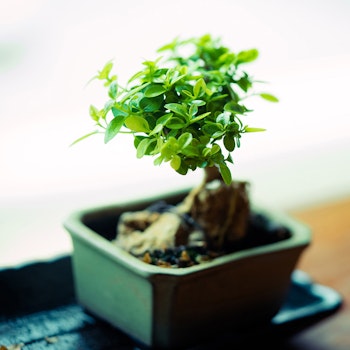
Every bonsai develops its own personality. The natural character of the trunk, branches and roots helps guide its design, while the person caring for it makes thoughtful decisions about its shape and future. No two trees—and no two bonsai journeys—are exactly alike.
It Continues to Change
Unlike a finished painting or sculpture, bonsai continues to grow and evolve. New growth appears, branches mature and the tree gains more character with every passing season.
It Fits Beautifully into California Living
Bonsai does not require a large landscape to make an impact. A single well-placed tree can become a striking focal point on a patio, balcony, entryway, courtyard or garden table.
That makes bonsai especially well suited to Bay Area homes, where outdoor space may be limited but an appreciation for nature, craftsmanship and thoughtful design runs deep.
A Living Work of Art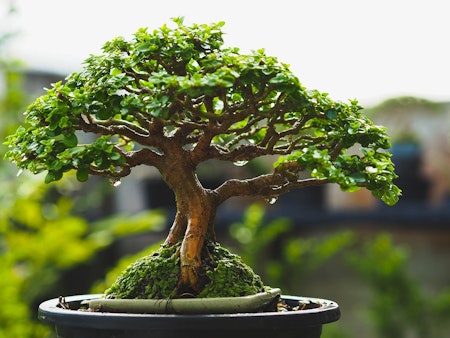
The word bonsai is commonly translated as “planted in a container,” but the practice represents much more than placing a tree in a pot.
Bonsai developed from the ancient Chinese tradition of creating miniature landscapes known as penjing. The practice was later adopted and refined in Japan, where it became closely associated with simplicity, balance and an appreciation for the beauty found in nature.
Contrary to a common misconception, bonsai trees are not genetically dwarfed. They are ordinary woody trees and shrubs that are kept miniature through careful pruning, root management, wiring and container growing.
The goal is not simply to keep a tree small. It is to create the feeling and character of a mature tree as it might appear in nature—shaped over time by wind, weather and the passing years.
Today, bonsai has found a passionate following throughout California. Some people are drawn to its horticultural challenges, others to its artistry and many to the sense of calm that comes from caring for something slowly and intentionally.
Why Bonsai Is Growing in Popularity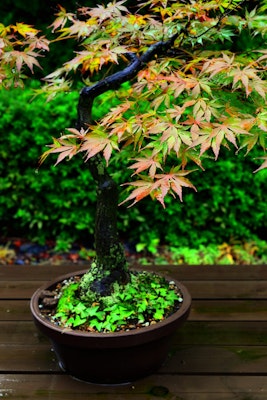
A new generation is discovering bonsai, and it is easy to understand why.
As people search for meaningful hobbies that help them unplug and reconnect with the natural world, bonsai brings gardening, creativity and mindfulness together in one rewarding practice.
It also grows with you. A beginner can enjoy a healthy, beautifully shaped tree without mastering every traditional technique. Over time, that same gardener may begin pruning, wiring, repotting and developing a personal design style.
Bonsai can remain a simple and relaxing plant hobby or become a lifelong pursuit. There is always something new to observe, learn and refine.
You Do Not Need to Be an Expert
One of the biggest myths about bonsai is that it is only for experts.
The truth is that everyone starts somewhere.
Many beautiful bonsai begin with a healthy young tree, a few basic tools and a willingness to learn. While traditional bonsai includes established styles and techniques, you do not need to master every rule before selecting your first tree.
Begin by choosing a variety that is suited to your available growing space. Learn what it needs for light, water and seasonal care. Then enjoy watching it develop.
Whether you are drawn to the peaceful process of shaping a tree or simply want a beautiful living sculpture for your home or patio, bonsai is a hobby that can grow along with you.
Choosing Your First Bonsai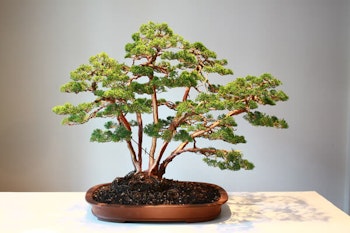
Nearly any perennial woody-stemmed tree or shrub can potentially be trained as bonsai, but some varieties are more forgiving and better suited to beginners.
Before selecting a tree, consider:
- Whether it will live indoors or outdoors
- How much sunlight your space receives
- How much time you want to devote to its care
- The natural shape and character you find most appealing
- The mature care requirements of the particular species
Beginner-Friendly Bonsai Varieties
Popular choices for those beginning their bonsai journey may include:
- Juniper
- Ficus
- Chinese Elm
- Japanese Maple
- Jade Plant
- Dwarf Schefflera
Availability varies by location and season. Our Trusted Garden Advisors can help you choose a bonsai that fits your experience level, available light and intended growing location.
Indoor or Outdoor Bonsai?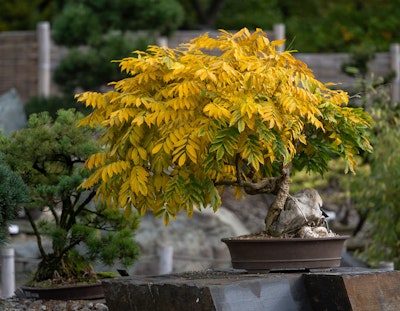
One of the most important things to understand is that not every bonsai is an indoor plant.
Temperate trees such as junipers and Japanese maples generally belong outdoors, where they can experience natural seasonal changes. Tropical and subtropical varieties, including many ficus and dwarf schefflera, can be grown indoors when provided with sufficient light and appropriate care.
The Bay Area’s relatively mild climate makes it possible to enjoy many bonsai varieties outdoors for much of the year. However, the needs of a tree can vary considerably depending on its species and your particular location.
A bonsai growing in coastal Novato may experience very different conditions from one growing on a sunny patio in Dublin, Campbell, Cupertino or Palo Alto. Your tree’s exposure to heat, wind, afternoon sun and seasonal cold should all be considered when choosing its location.
Classic Bonsai Styles
Understanding a few traditional bonsai styles can help you recognize the natural possibilities within a tree. These styles can provide guidance, but they do not need to limit your creativity.
- Formal Upright – Chokkan: A straight, gradually tapering trunk with balanced branches.
- Informal Upright – Moyogi: A primarily upright trunk with graceful curves.
- Slanting – Shakan: A trunk that emerges from the soil at an angle, as though shaped by wind or its growing environment.
- Cascade – Kengai: A trunk that bends downward and extends below the base of the pot.
- Semi-Cascade – Han-Kengai: A trunk that bends outward and downward but generally does not extend far below the pot.
Your tree may naturally suggest one of these forms, or you may prefer a less traditional design. Part of the enjoyment of bonsai is learning to work with the tree rather than forcing it into a shape that does not suit its natural growth.
Bonsai Essentials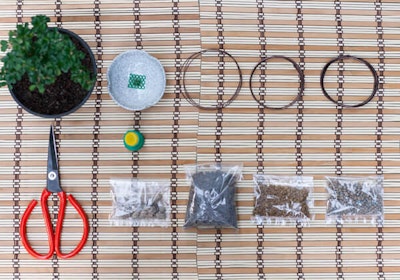
You do not need a large collection of specialized equipment to begin. A few quality basics can help you care for your tree and build confidence.
A Healthy Tree
Start with a variety that is appropriate for your intended location and experience level. Understanding the tree’s natural growing requirements is more important than selecting it based on appearance alone.
The Right Pot
In bonsai, the tree and its container are viewed as a unified composition. The pot should complement the tree while also providing adequate drainage and enough room for a healthy root system.
A bonsai pot should not be selected solely because it is attractive. Its size, depth, drainage and proportions should all support the tree’s needs.
Proper Bonsai Soil
Bonsai soil should provide a balance of drainage, moisture retention and airflow around the roots. Ordinary garden soil is generally too dense for bonsai containers.
The ideal mix may vary by species, growing environment and watering habits. SummerWinds carries bonsai soil and amendments that can help create the appropriate growing conditions for your tree.
Pruning Tools
Sharp, properly sized bonsai scissors or pruning shears allow you to make cleaner, more precise cuts. As your skills develop, you may add specialized tools for branch removal, root work and detailed shaping.
Bonsai Wire
Wire can be carefully applied to trunks and branches to guide their growth and improve the tree’s design. Wiring should be monitored regularly and removed before it begins cutting into the expanding bark.
Fertilizer
Because bonsai grow in relatively small amounts of soil, regular feeding helps replace the nutrients used by the tree. Select a fertilizer appropriate for your variety and follow the package directions carefully.
Caring for Your Bonsai in the Bay Area
There is no single care routine that applies to every bonsai. A juniper, ficus and Japanese maple each have different needs. However, a few basic practices are essential to long-term success.
Light
Many outdoor bonsai benefit from several hours of sunlight each day. In warmer inland parts of the Bay Area, some trees may appreciate morning sun and protection from intense late-afternoon heat during summer.
Indoor tropical bonsai generally need a very bright location. A room that appears bright to us may still provide too little light for healthy plant growth, so place indoor bonsai near an appropriate sunny window and monitor how the tree responds.
Water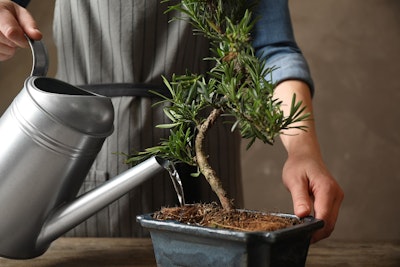
Bonsai should be watered according to the condition of the soil—not according to a rigid calendar.
Check the soil regularly. When the upper layer begins to feel slightly dry, water thoroughly so that moisture reaches the entire root system and excess water flows freely from the drainage holes.
Small bonsai containers can dry more quickly than conventional pots, especially during warm, sunny or windy Bay Area weather. At the same time, constantly saturated soil can deprive roots of oxygen and contribute to decline.
The goal is consistent moisture appropriate for the particular species, without allowing the tree to remain waterlogged.
Feeding
Regular fertilizing during active growth helps maintain the health and vigor of your bonsai. The appropriate product, strength and frequency will depend on the tree and the season.
Always follow product directions and avoid assuming that more fertilizer will produce better or faster results.
Pruning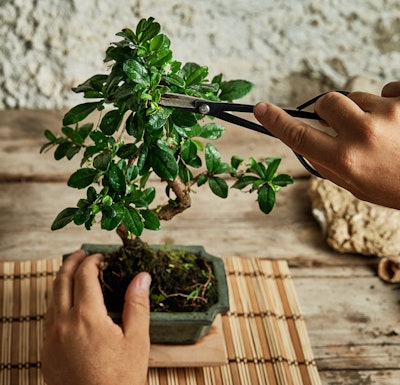
Routine pruning maintains the tree’s shape and encourages compact, refined growth. This is one of the most creative and satisfying parts of bonsai care.
Begin conservatively. It is much easier to remove another branch or shoot later than to replace one that was removed too quickly.
Repotting and Root Care
Bonsai do not necessarily remain in the same soil and container forever. Periodic repotting refreshes the soil, allows the root system to be evaluated and helps maintain the tree’s health.
Repotting schedules and timing vary by species, age and growing conditions. Research the needs of your tree or ask one of our Trusted Garden Advisors before beginning significant root work.
A Bonsai Is Never Truly Finished
When art is created from a living tree, it is always evolving.
Each season brings subtle changes. Every pruning decision influences future growth. The trunk gradually develops more character, branches mature and the tree begins to reflect both its natural form and the vision of the person caring for it.
With proper care, bonsai can live for decades. Some are passed from one generation to the next, becoming treasured family heirlooms and living records of the people who cared for them.
That is part of what makes bonsai so special. It is not a hobby measured in days or weeks, but in seasons, years and sometimes generations.
Begin Your Bonsai Journey at SummerWinds Nursery
Whether you are selecting your first bonsai, searching for a distinctive new specimen or adding better tools to your collection, SummerWinds Nursery offers an incredible selection of bonsai trees, ceramic pots, soils, fertilizers, pruning tools, wire and accessories.
Our Trusted Garden Advisors can help you:
- Choose a bonsai suited to your home, patio or garden
- Understand whether your tree belongs indoors or outdoors
- Select an appropriately sized container
- Find the right soil, fertilizer and tools
- Learn the fundamentals of watering, pruning and seasonal care
Visit your local California SummerWinds Nursery and discover why bonsai continues to inspire gardeners around the world—and why it feels especially meaningful in the middle of modern Bay Area life.
At SummerWinds Nursery, We Guarantee Success®.
Explore Bonsai at SummerWinds
Depending on current availability, our California nurseries may carry:
- Beginner-friendly bonsai trees
- Distinctive specimen bonsai
- Ceramic bonsai pots and trays
- Bonsai soil and amendments
- Pruning scissors and specialized tools
- Bonsai wire and shaping supplies
- Fertilizers and plant care products
- Decorative moss, rock and finishing accessories
Selection and varieties vary by store and season. Please visit or contact your local SummerWinds Nursery for current availability.