Back to the Be Inspired Blog

Conservation with Compost: How to Improve Water Holding Capacity in Soil
Water conservation and responsible use of resources are on many Californian's minds these days. During the hottest, driest summer months, you could have to water your plants nearly every day! The University of Michigan published some mind-blowing data about the effectiveness of compost in increasing soil's water holding capacity and what that means for water conservation efforts.
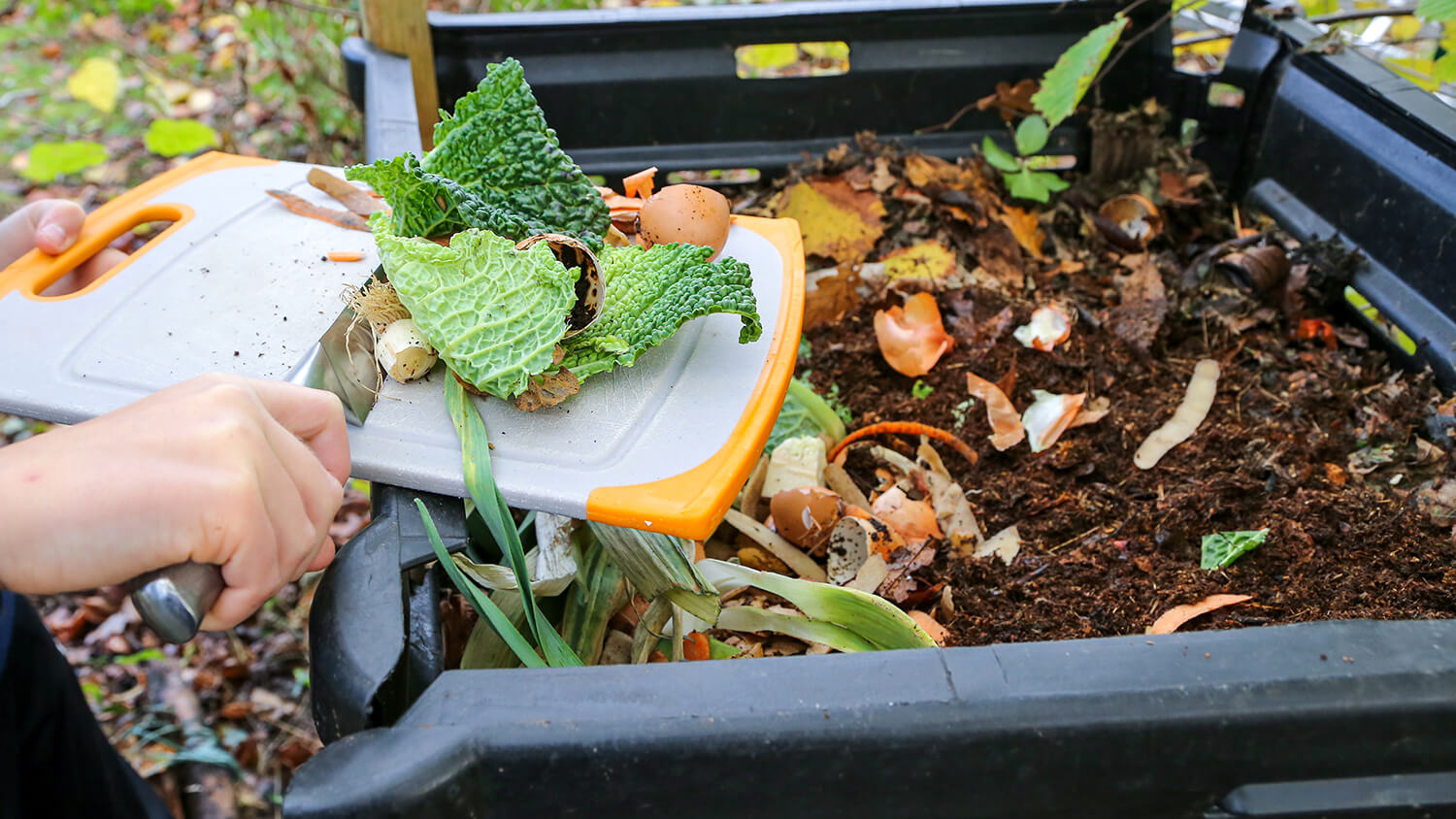 Compost Makes Water Conservation Much Easier for Gardeners
We always knew compost was great for your soil, but now we've got the numbers to prove just how powerful this stuff is. Here's why you should add compost to your soil, how it can help global water conservation efforts, and how to pick the best kind for your garden.
Understanding Compost's Role in Conservation
Compost is a nutrient-rich material full of beneficial bacteria and microbes resulting from organic matter breaking down over time. It supports your plants' overall health while improving moisture retention in your soil, so your plants don't need to be watered as often.
There are many different compostable organic materials—like kitchen scraps, mulched leaves, and manure—and their texture and nutrient makeup tends to vary. You can compost at home or purchase a variety of formulas from the garden center. Store-bought blends often come with information on the nutrient content and water holding capacity, or you can access it upon request, depending on the manufacturer.
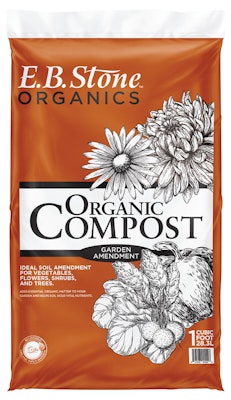 Look for something with a 50–60 percent organic matter content and a 100 percent water holding capacity. We recommend E.B. Stone Organic Compost—it's perfect for flower beds, vegetables, trees, shrubs, and even lawn grass.
There are many benefits to at-home-composting. You can reduce your household waste by up to 50 percent by tossing biodegradable scraps into the composting bin instead of the garbage can. You control everything that goes into the bin, and you get a valuable garden soil amendment for free! Whichever method you choose, it's one big step towards better water conservation.
How Does Composting Improve Water Conservation and Your Soil?
We mentioned that compost keeps your garden moist for longer by improving the soil's water holding capacity. But just how effective is it? In the Michigan study, researchers found that when they tilled three inches of composted leaf mulch into six inches of sandy soil, the water holding capacity increased by 250 percent!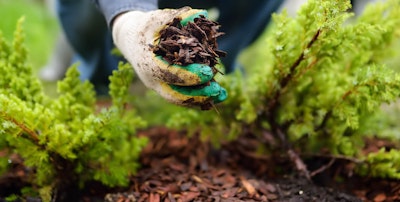
If one square foot of soil is made up of 1 percent organic matter, it can hold 1.5 quarts of water. Double that and make it 2 percent, and the water holding capacity increases to 3 quarts! However, this organic matter will break down fast in super sandy soils, so keeping soil's organic matter content above 2–3 percent is hard. That said, if you can keep it around that level for a while, the water retention will be outstanding! You won't believe how effective it is for water conservation.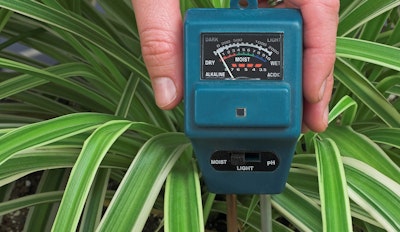
After amending eight inches of soil with compost, researchers saw that it held the equivalent of 1.9 inches of water, compared to 1.3 inches for unamended soil. Since garden plants typically need one inch of water per week, the amended soil will contain enough water to keep your plants hydrated for two weeks! That cuts back on your watering frequency by about one-third.
Improving Soil Texture and Composition for Conservation
Another benefit of adding compost is improved texture, which drastically improves drainage. Good drainage makes all the difference in your plants' ability to soak up moisture, so it's an essential element of water conservation and reducing waste. All that organic material stops the soil from getting crusty when the sun evaporates its moisture; this helps the water spread outwards instead of straight downward, so it doesn't miss your plants' roots.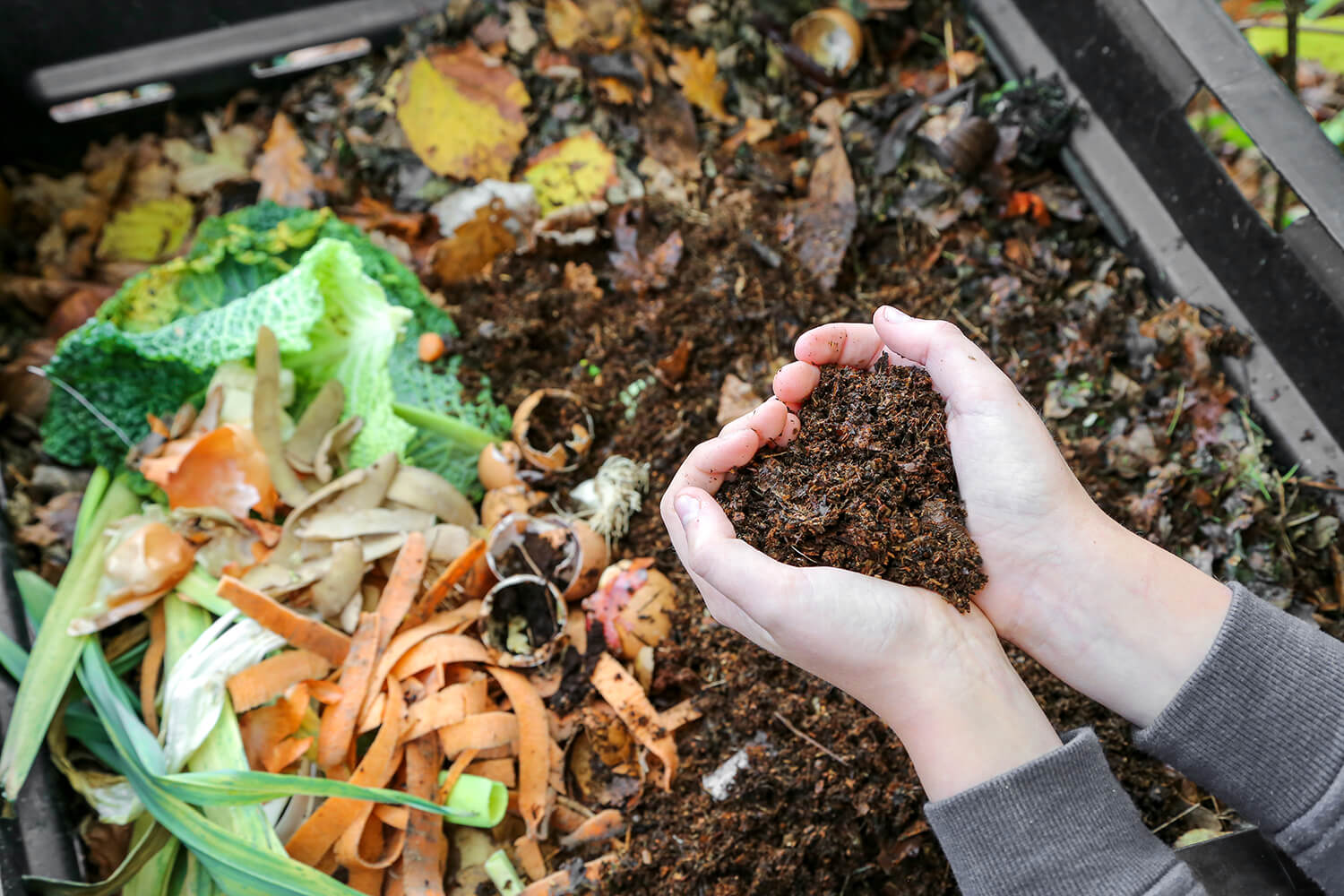
The more frequently you amend your soil with compost, the better its organic content will become over time. You'll see higher levels of beneficial microbes and nutrients that help your plants grow, in addition to better moisture retention over the long term. So, not only will it support water conservation, but it will help keep your plants strong and healthy for longer.
Looking for more ideas on water conservation in California? Explore our collection of water-wise and drought-tolerant plants! There are so many spectacular things you can grow here that don't need constant watering. It's a beautiful and simple way to approach water conservation!