Back to the Be Inspired Blog
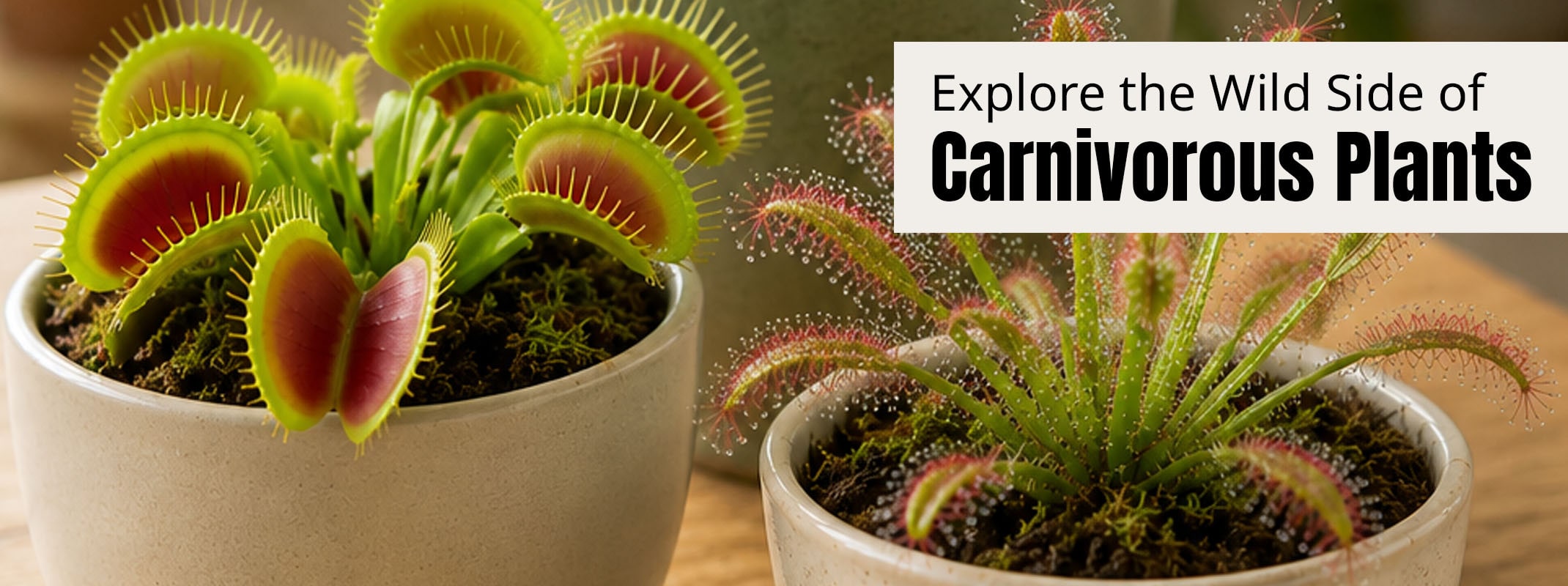
Carnivorous Plants: Nature’s Most Fascinating Predators
More Than Just a Venus Flytrap
Carnivorous plants seem almost impossible to believe.
Plants that hunt. Plants that trap insects. Plants that digest their prey.
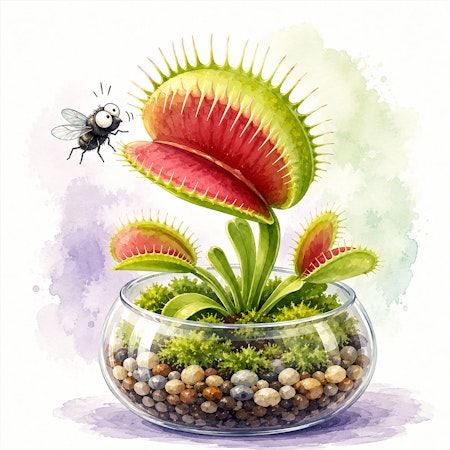
While they may sound like something from science fiction, carnivorous plants are very real—and they are among the most fascinating examples of adaptation in the plant kingdom. Growing in soils so poor in nutrients that many other plants struggle to survive, these botanical marvels evolved ingenious ways to supplement their diet by capturinginsects. Some snap shut in an instant. Others lure their prey into colorful pitchers or trap them with glistening, sticky leaves.
They're equal parts science, horticulture, and conversation piece.
Whether you're intrigued by the famous Venus Flytrap, captivated by elegant pitcher plants, or discovering carnivorous plants for the first time, they offer a fascinating glimpse into the incredible diversity of the plant world.
In this guide, we'll explore what makes a plant carnivorous, some of the fascinating varieties you may encounter, how to care for them successfully, creative ways to display them, and which plants may be able to grow alongside them.
Stop by your local SummerWinds Nursery to explore our ever-changing selection of carnivorous plants and discover why these extraordinary species have fascinated botanists and plant lovers for generations.
What Makes a Plant Carnivorous?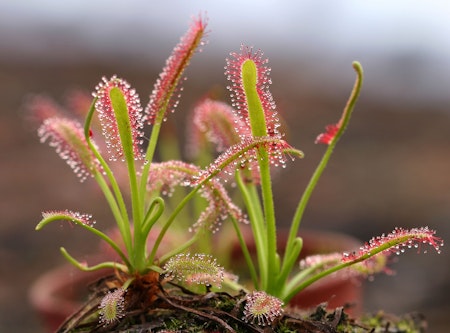
Not every plant that catches an insect is considered carnivorous.
True carnivorous plants have evolved specialized structures that allow them to attract, capture, digest, and absorb nutrients from prey. These remarkable adaptations help them survive in environments where the soil contains very little nitrogen and few of the minerals most plants depend on.
Despite their unusual dining habits, carnivorous plants still create their own energy through photosynthesis, just like other green plants. The insects they capture provide supplemental nutrients that are difficult for their roots to obtain from the soil.
Carnivorous plants occur naturally in bogs, wetlands, seepage areas, and other habitats with consistently moist but nutrient-poor growing conditions. Different species have evolved remarkably different solutions to the same horticultural challenge: how to thrive where many other plants cannot.
Different Plants, Different Hunting Strategies
There are many species of carnivorous plants, and each group has its own distinctive method of attracting and capturing prey.
Venus Flytrap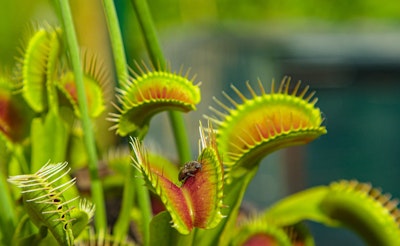
Dionaea muscipula
The Venus Flytrap is probably the world’s most recognizable carnivorous plant. Its modified leaves form hinged traps lined with sensitive trigger hairs.
When an insect brushes against the trigger hairs in the correct sequence, the trap quickly closes. The edges of the leaf interlock, helping prevent the insect from escaping while the plant begins the digestive process.
Venus Flytraps are native to a relatively small area of coastal North and South Carolina, where they grow in sunny, wet, nutrient-poor soils. They perform best with abundant light, mineral-free water, and a winter dormancy period.
Best for: Sunny outdoor areas, bright windows, curious gardeners, and anyone purchasing a first carnivorous plant.
North American Pitcher Plants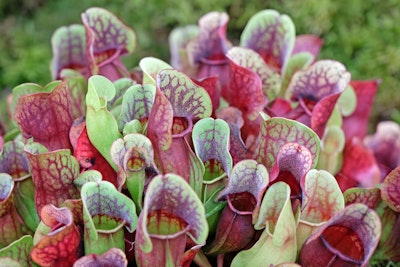
Sarracenia
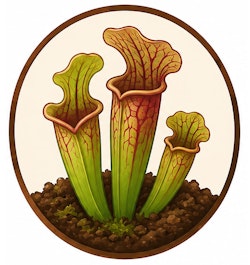
North American pitcher plants produce upright, tubular leaves that act as pitfall traps. Their colorful markings, nectar, and fragrance attract insects to the opening of each pitcher.
Slippery surfaces and downward-pointing hairs make it difficult for an insect to climb back out. Once inside, the insect is broken down, allowing the plant to absorb valuable nutrients.
Many Sarracenia varieties develop impressive colors when grown in strong light. Like Venus Flytraps, they are temperate plants that generally require a cool winter dormancy period.
Best for: Sunny patios, outdoor bog gardens, and dramatic container displays.
Tropical Pitcher Plants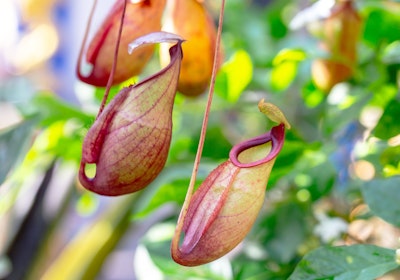
Nepenthes
Tropical pitcher plants grow very differently from their North American relatives. Their pitchers hang from the ends of leaves, creating an exotic, almost otherworldly appearance.
These plants use nectar, coloration, and scent to lure insects into their pitchers. The waxy interior makes escape difficult, while fluid at the bottom of the pitcher helps digest the prey.
Many Nepenthes grow as trailing or climbing plants and appreciate bright, indirect light, warmth, humidity, and good air circulation.
Best for: Hanging containers, bright indoor spaces, greenhouses, and protected patios.
Sundews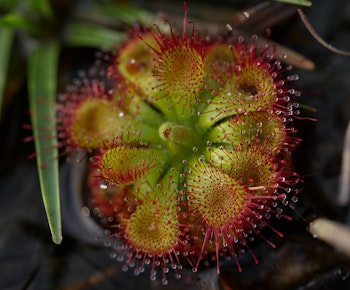
Drosera
Sundews are covered in sparkling droplets that resemble morning dew. These beautiful droplets are actually a sticky substance produced by specialized glands on the leaves.
When a small insect lands on the plant, it becomes caught in the sticky surface. In many species, the leaf or its tentacle-like structures slowly curl around the prey before digestive enzymes begin breaking it down.
Sundews are particularly effective at capturing small insects such as fungus gnats and fruit flies.
Best for: Bright windows, sunny container gardens, bog gardens, and close-up viewing.
Butterworts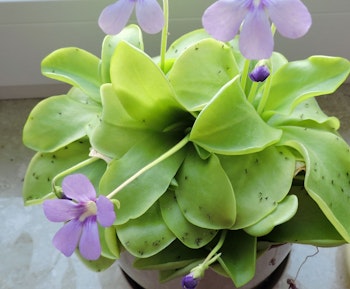
Pinguicula
Butterworts may appear less dramatic than pitcher plants or Venus Flytraps, but their smooth leaves conceal an effective flypaper-style trap.
The surface of each leaf is coated with tiny, sticky glands that capture small insects. Digestive enzymes then allow the plant to absorb nutrients directly through the leaf.
Many butterworts also produce delicate flowers, making them an appealing choice for gardeners who want a carnivorous plant with a softer, more ornamental appearance.
Best for: Bright indoor locations, small containers, collections, and gardeners interested in unusual flowering plants.
Did You Know?
A Venus Flytrap does not snap shut every time something touches it. Typically, more than one trigger hair must be touched within a short period before the trap closes.
This helps the plant distinguish living prey from raindrops, falling leaves, or other debris. Closing a trap requires energy, so this built-in system helps prevent the plant from wasting its resources.
How to Care for Carnivorous Plants
Carnivorous plants are not necessarily difficult to grow, but their care differs from that of most traditional houseplants. The most important factors are light, water, soil, and an understanding of whether the particular plant requires winter dormancy.
 Provide the Right Light
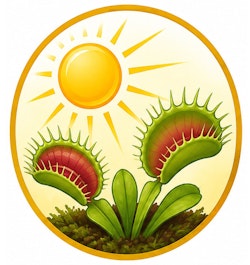
Most carnivorous plants need bright light to grow well and produce strong coloration.
Venus Flytraps, North American pitcher plants, and many sundews generally perform best with several hours of direct sunlight. In the Bay Area, they may grow well outdoors in a sunny location, although protection from extreme afternoon heat may be beneficial in warmer inland areas.
Tropical pitcher plants and some butterworts often prefer bright, indirect light or gentler morning sun.
Because light requirements vary by species, ask a SummerWinds associate about the best location for the variety you select.
 Use Mineral-Free Water
Water quality is one of the most important parts of carnivorous plant care.
These plants evolved in environments with very few dissolved minerals. Tap water may contain salts and minerals that can gradually accumulate in the growing medium and damage sensitive roots.
Use one of the following whenever possible:
- Distilled water
- Collected rainwater
- Reverse-osmosis water
Most bog-growing species prefer to remain consistently moist. Venus Flytraps, North American pitcher plants, and many sundews can often be watered using the tray method, with the container sitting in a shallow amount of mineral-free water.
Tropical pitcher plants generally prefer moist growing media but should not remain continuously submerged.
 Never Use Regular Potting Soil
Traditional potting soils and fertilizers contain nutrients that are beneficial to most plants but can harm carnivorous plants.
Depending on the species, appropriate growing materials may include:
- Long-fiber sphagnum moss
- Unfertilized sphagnum peat moss
- Perlite without added fertilizer
- Horticultural or silica sand
- Specially prepared carnivorous plant mixes
Avoid standard potting soil, compost, fertilizer-enriched mixes, and products containing moisture-control additives.
Do They Need to Be Fed?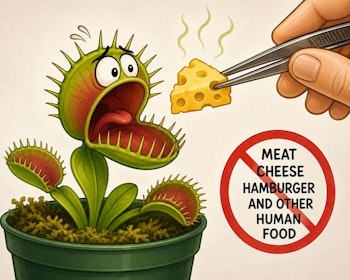
Carnivorous plants do not need to be fed regularly.
Plants grown outdoors will usually capture enough insects on their own. Indoor plants may also catch fungus gnats, fruit flies, and other small insects without assistance.
If you choose to feed a plant, use only appropriately sized insects and avoid triggering or filling every trap. Never feed carnivorous plants meat, cheese, hamburger, or other human food. These foods are not part of their natural diet and may cause traps to rot.
Insects are also not a replacement for proper light. A poorly lit carnivorous plant will not become healthier simply because it is fed more often.
 Understand Winter Dormancy
Some carnivorous plants naturally experience a period of winter dormancy.
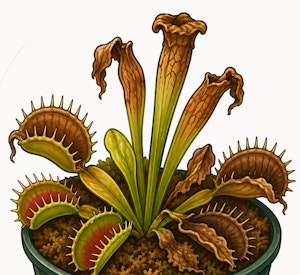
Venus Flytraps and North American pitcher plants are temperate plants. As temperatures cool and daylight decreases, their growth may slow, traps may turn brown, and parts of the plant may die back. This is a natural part of their annual growth cycle rather than a sign that the plant has died.
Tropical pitcher plants and many tropical butterworts do not require the same cold dormancy and can continue growing throughout the year when kept in suitable conditions.
Creative Ways to Display Carnivorous Plants
Carnivorous plants are naturally sculptural and deserve to be displayed where their unusual forms can be appreciated.
Create a Miniature Bog Garden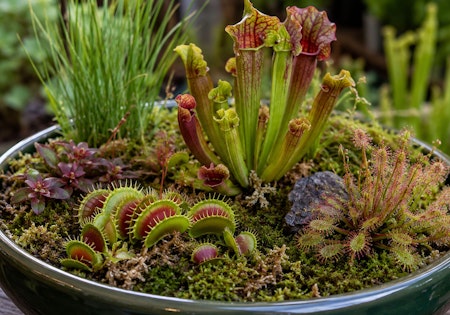
A miniature bog garden is one of the most interesting ways to display compatible carnivorous plants.
Use a shallow glazed ceramic, plastic, or fully sealed container without unglazed surfaces that may release minerals into the growing medium. Fill it with an appropriate carnivorous plant mix and group plants that share similar care requirements.
A temperate bog garden might include:
- Venus Flytraps
- North American pitcher plants
- Temperate sundews
Choose plants that require similar amounts of sunlight, water, and winter dormancy. Avoid combining tropical and temperate carnivorous plants in the same permanent planting.
Feature One Plant as a Living Sculpture
A single carnivorous plant can become a striking focal point when paired with the right container.
Try displaying one:
- On a bright kitchen windowsill
- On a home-office desk with supplemental grow lighting
- In a hanging container near a bright window
- On a sunny patio table
- In a child’s room as a living science project
- Alongside other botanical curiosities
Choose simple containers that allow the plant’s shape, texture, and color to remain the focus.
Use an Open Terrarium Carefully
Some smaller tropical carnivorous plants may appreciate the additional humidity of an open terrarium, particularly when they also receive good airflow and adequate light.
However, a closed terrarium is not appropriate for every carnivorous plant. Venus Flytraps and North American pitcher plants generally need stronger light, good air circulation, and natural seasonal changes. Tropical pitcher plants may quickly outgrow small terrariums.
Before creating a terrarium, confirm that the selected plants share the same light, moisture, temperature, and airflow requirements.
Can Carnivorous Plants Grow with Companion Plants?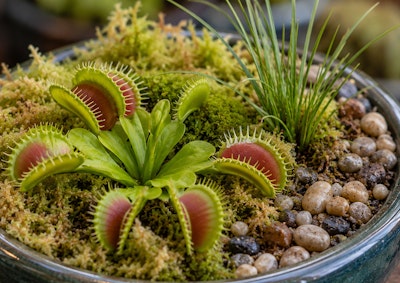
They can, but companions must be selected carefully.
Most traditional houseplants are not suitable companions because they prefer richer soil, added fertilizer, and different watering conditions. Carnivorous plants need nutrient-poor growing media and, in many cases, continuously moist conditions.
Potential companions may include:
- Living sphagnum moss
- Compatible mosses suited to wet, acidic conditions
- Small bog sedges or grasses
- Certain bog orchids for experienced growers
- Other carnivorous plants with matching care requirements
Living sphagnum moss can create a beautiful, natural appearance around carnivorous plants, but it may grow vigorously and should be trimmed when necessary so it does not overwhelm smaller plants.
The most successful mixed displays usually feature carnivorous species from similar habitats. For example, Venus Flytraps, temperate sundews, and North American pitcher plants may share a bog container because they appreciate abundant sunlight, mineral-free water, and winter dormancy.
Discover Carnivorous Plants at SummerWinds Nursery
Whether you are searching for your first Venus Flytrap or hoping to add pitcher plants, sundews, butterworts, or other unusual varieties to your collection, visit your local SummerWinds Nursery.
Our knowledgeable associates can help you choose a plant suited to your growing location and provide guidance on light, water, soil, dormancy, and display options.
Selection varies by season and by store. Visit your local SummerWinds Nursery to see which carnivorous plants are currently available.