Back to the Be Inspired Blog
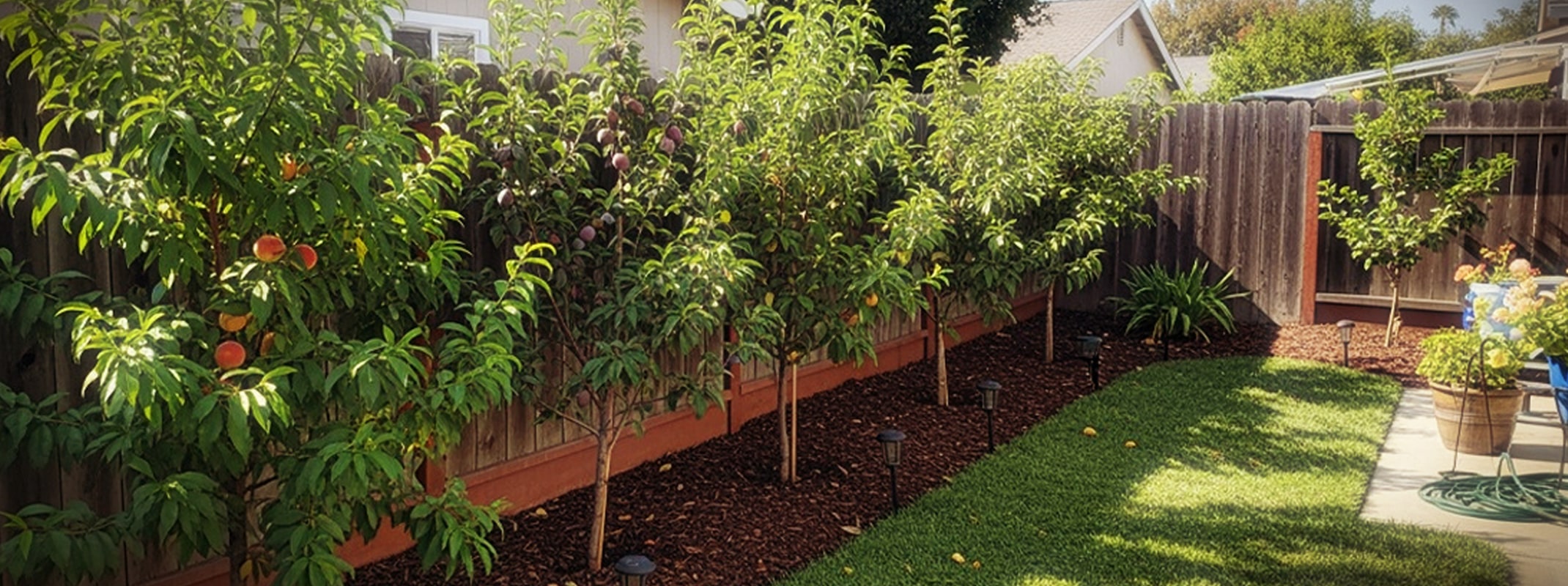
Backyard Orchard Culture (BYOC) in the Bay Area
Backyard Orchard Culture: Big Harvests from Small Spaces
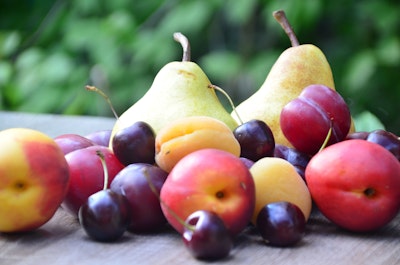 If you’ve ever wanted to grow your own fruit but stopped short because you pictured giant trees, ladders, and a lot of upkeep—you’re not alone. That image keeps a lot of gardeners from ever getting started.
Here’s the good news: you don’t need a big yard or towering trees to enjoy fresh, homegrown fruit. With the right approach, it’s completely possible to grow a surprising amount of fruit in a small space—and keep it easy to care for.
That approach is called Backyard Orchard Culture (BYOC).
At its core, Backyard Orchard Culture is about growing fruit trees in a way that makes sense for real life: smaller trees, smarter planting, and a longer harvest season. It’s a method that’s been used and taught for decades by fruit tree experts at Dave Wilson Nursery and orchardists like Ed Laivo, helping home gardeners grow more fruit without more work.
So, What Is Backyard Orchard Culture?
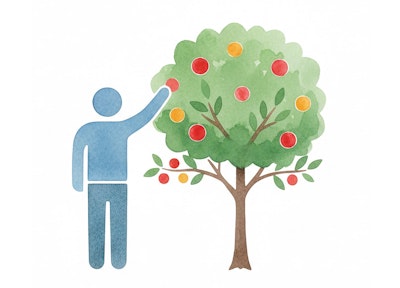 Backyard Orchard Culture is a way of growing fruit trees that focuses on a few simple ideas:
- Keeping trees at a manageable height (usually around 6–8 feet)
- Planting more trees in less space
- Enjoying fruit over a longer season instead of all at once
- Making pruning, care, and harvest easier
Instead of letting fruit trees grow tall and out of reach, this method keeps them compact and productive. The result? Trees you can prune and harvest from the ground—no ladder, no stress.
Why Gardeners Love Backyard Orchard Culture
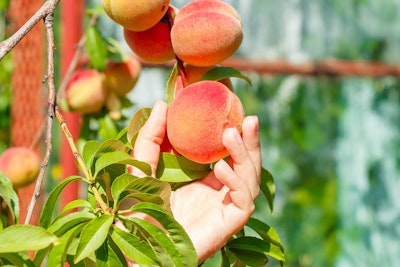 Grow More Fruit in Less Space
One of the biggest surprises for new gardeners is just how much fruit you can grow when trees are planted closer together or trained along fences or rows. Even small yards can support a wide variety of fruit.
Enjoy Fruit All Season Long
By choosing varieties that ripen early, mid-season, and late, you can stretch your harvest over many weeks. That means fewer overwhelming harvests—and more chances to enjoy fresh fruit straight from your garden.
Easier Maintenance & Harvest
Smaller trees are simply easier to live with. They’re easier to prune, easier to care for, and easier to harvest. No ladders, less wasted fruit, better light exposure, and healthier trees overall.
Backyard Orchard Culture takes fruit growing from “that sounds complicated” to “I could actually do that.”
🎥 Learn from the Experts
Want to see what this looks like in real life?
 In this video, Lloyd from Dave Wilson Nursery walks through the many fruit tree varieties available at SummerWinds and explains how Backyard Orchard Culture helps gardeners grow more fruit in less space. It’s a great way to see the possibilities and hear directly from one of the experts behind the method.
Watch this YouTube video to explore your fruit tree options and see how Backyard Orchard Culture can work in your own yard.
Popular Backyard Orchard Culture Styles
There’s no single way to practice Backyard Orchard Culture. Some of the most popular approaches include:
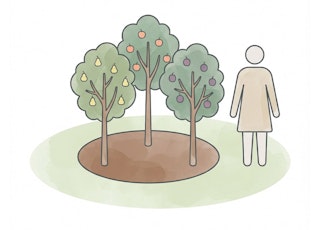
Multi-Planting (Successive Ripening)
Planting 2–6 compatible trees in one hole allows you to enjoy early-, mid-, and late-season harvests while keeping trees compact.
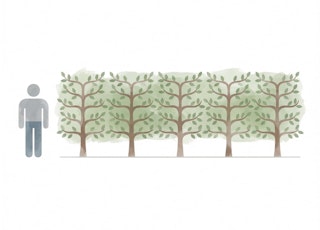
Hedgerows
Fruit trees planted in a line and pruned like a living fruit wall—great along fences or property lines.
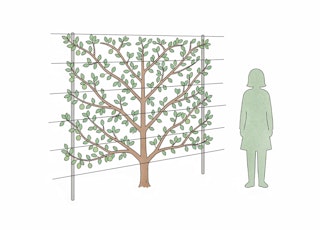
Espalier
Branches are trained flat along wires or fencing, saving space while keeping fruiting wood in full sun.
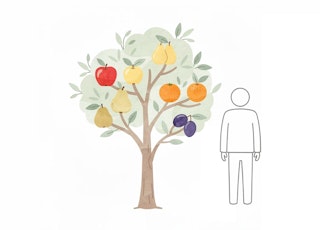
Multi-Graft Trees
One tree with multiple fruit varieties grafted onto it, offering variety in a very small footprint with careful pruning.
The Role of Pruning: The Secret to Backyard Orchard Culture
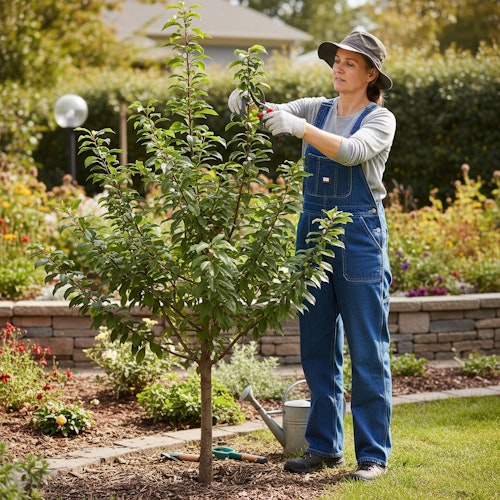 Here’s the honest truth: pruning is what makes Backyard Orchard Culture work. And while that can sound intimidating, it’s actually what makes growing fruit easier—not harder.
Instead of letting trees grow tall and unruly, pruning helps you stay in control. A few well-timed cuts each year keep trees at a comfortable height, improve fruit production, and make everything—from care to harvest—much more manageable.
Backyard Orchard Culture focuses on just two simple pruning windows:
Dormant-Season Pruning (Late Winter / Early Spring)
This is where you set the stage. You’re shaping the tree, choosing its main branches, and setting it up for balanced growth in the months ahead.
Summer Pruning (During Active Growth)
This is where the magic happens. Summer pruning slows things down, keeping trees from shooting straight up and helping them stay compact and easy to reach.
The goal isn’t perfection—and it’s definitely not about doing everything “just right.” It’s about consistency. A little pruning each year goes a long way toward healthier trees, better fruit, and less work in the long run.
Want a little guidance? We’ll be sharing a follow-up guide that walks through what pruning looks like in year one, year two, and beyond—so you can feel confident picking up the pruners and getting started.
Choosing the Right Trees
If you’re new to fruit trees, starting simple goes a long way. Choosing trees with similar care needs makes everything easier from pruning to watering.
Peaches and nectarines, for example, are great companions and respond well to Backyard Orchard Culture. Beyond that, think about what you actually enjoy eating—flavor, texture, and harvest timing matter just as much as tree size.
A little planning up front means more success—and less work—later.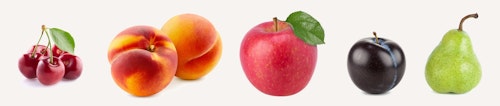
Site Selection & Planting Tips
Fruit trees are happiest when they have plenty of sun, good drainage, and space away from lawn competition. These basics go a long way toward long-term success.
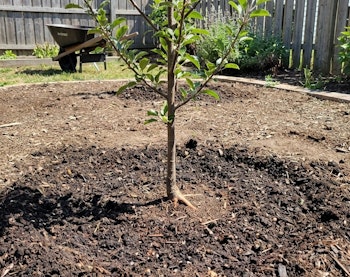 ⚠️ The Biggest Cause of Fruit Tree Failure
Planting too deep. The crown—where the roots meet the trunk—should sit just above the soil line. Trees planted too deeply can look healthy for years before slowly declining.
At SummerWinds Nursery, we pot up our Dave Wilson fruit trees using high-quality soil and fertilizer, so all you have to do is plant with confidence.
A Mini Orchard Is Possible
Backyard Orchard Culture proves that you don’t need a large yard—or a lot of experience—to enjoy homegrown fruit. With thoughtful planning, simple pruning, and the right varieties, growing your own fruit becomes both achievable and rewarding.
Whether you’re dreaming of a fruiting fence, a compact orchard, or a long harvest season from just a few trees, Backyard Orchard Culture makes it possible.
Visit your local SummerWinds Nursery to explore fruit trees from our trusted growers and get expert guidance on creating your own backyard orchard.